


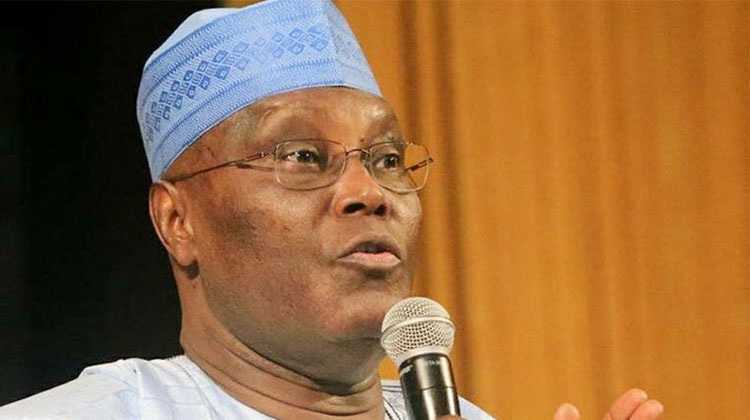
ABUJA, NIGERIA — Former Vice President Atiku Abubakar, former Rivers State governor Rotimi Amaechi, and banker-turned-politician Mohammed Hayatu-Deen have reportedly obtained presidential nomination and expression of interest forms of the African Democratic Congress ahead of the 2027 general elections.
The development marks a major political shift within opposition circles as preparations intensify for what is expected to be one of Nigeria’s most competitive presidential races.
According to party sources, the ADC fixed its presidential nomination forms at N90 million as part of preparations for its forthcoming primary elections.
The move by the three prominent figures has heightened speculation about emerging alliances and possible coalition arrangements among opposition politicians seeking to challenge the ruling establishment in 2027.

Atiku Abubakar, who has contested the presidency multiple times, remains one of Nigeria’s most influential opposition politicians with strong political structures across several regions.
Rotimi Amaechi, a former Minister of Transportation and ex-governor of Rivers State, is also regarded as a major political force with significant experience in national politics and governance.
Mohammed Hayatu-Deen, known for his banking and corporate background, previously contested within opposition politics and has consistently advocated economic reforms and institutional restructuring.
Political analysts say the participation of multiple heavyweight aspirants within the ADC signals the party’s growing relevance in Nigeria’s evolving political landscape.
The ADC has increasingly attracted politicians and stakeholders seeking alternatives outside the two dominant parties, the APC and PDP.
Observers believe the party may become a key platform for coalition-building efforts ahead of the next election cycle.
The emergence of several high-profile aspirants is also expected to intensify internal consultations, negotiations, and strategic alliances within opposition movements.
Political commentators note that opposition parties are under pressure to present a united front capable of mounting a serious challenge in the 2027 presidential election.
There are also indications that additional political figures may still join the race as consultations continue across different political blocs.
Supporters of the aspirants have already begun grassroots mobilisation and stakeholder engagements in anticipation of party primaries.
Analysts say the contest within the ADC could significantly influence broader opposition realignments depending on how the primary process unfolds.
The cost of the nomination forms has also generated debate among Nigerians, with critics questioning the affordability of political participation in the country.
Others argue that high nomination fees continue to favour wealthy political elites while discouraging younger and less financially powerful aspirants.
Despite the concerns, ADC officials insist the process will remain transparent and democratic as the party prepares for internal contests.
Attention now shifts to possible coalition negotiations, zoning debates, and primary election strategies ahead of the 2027 presidential race.




