



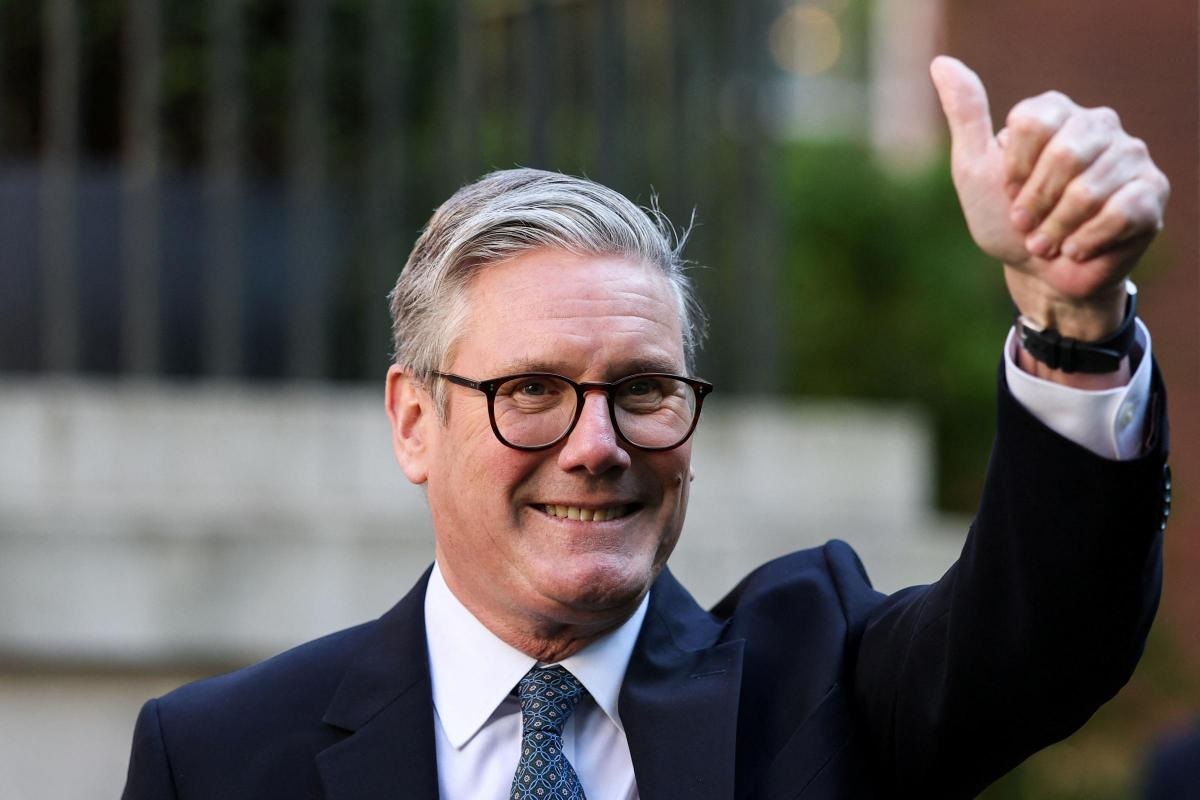
UK Prime Minister Keir Starmer is facing the biggest political crisis of his leadership yet, but the embattled Labour leader says he has no intention of stepping down despite growing pressure from within his own party.
Speaking during a tense cabinet meeting on Tuesday, Starmer insisted he remained focused on governing the country and challenged critics within Labour to formally test his leadership if they believed he should go.
“The Labour Party has a process for challenging a leader and that process has not been triggered,” Starmer told ministers.
“The country expects us to govern, and that is exactly what we are doing.”

But behind the scenes, pressure on the prime minister continues to mount.
At least 80 Labour MPs have now either openly demanded his resignation or urged him to announce a timeline for an orderly exit, following Labour’s disastrous performance in last week’s local elections.
The crisis deepened on Tuesday after two junior ministers resigned from government.
Miatta Fahnbulleh, who served as Minister for Devolution, Faith and Communities, became the first serving government official to publicly call for Starmer to step aside.
In her resignation letter, she said the Labour government had failed to deliver the scale of change voters expected and argued that the public no longer believed Starmer could lead that transformation.
Shortly after, safeguarding minister Jess Phillips also resigned, saying she was no longer seeing the leadership or direction the country had been promised.
Reports in British media suggest several senior cabinet figures have privately raised concerns about Starmer’s future, including Interior Minister Shabana Mahmood, while other top Labour figures are believed to have held discussions with him over his political position.
The backlash follows crushing local election losses for Labour, which saw the party lose hundreds of council seats to Reform UK and the Green Party.
Labour also suffered major setbacks in Wales and Scotland, raising fears within the party about its chances at the next general election.
Starmer’s leadership has also been weakened by months of political controversies, including criticism over economic struggles, the rising cost of living, and the fallout from his appointment of Peter Mandelson as ambassador to Washington before later removing him amid renewed scrutiny over his past ties to convicted sex offender Jeffrey Epstein.
Despite the unrest, several cabinet ministers publicly rallied behind Starmer after Tuesday’s meeting.
Defence Secretary John Healey warned that more political instability would damage the country, while Technology Secretary Liz Kendall and Business Secretary Peter Kyle both declared their support for the prime minister.
Under Labour Party rules, a formal leadership contest can only begin if a challenger secures backing from at least 81 Labour MPs roughly 20 percent of the parliamentary party.
So far, no single rival has officially emerged, although names such as Health Secretary Wes Streeting, former deputy prime minister Angela Rayner and Greater Manchester Mayor Andy Burnham continue to circulate among party insiders as possible successors.
For now, Starmer appears determined to fight on. But with resignations growing, internal rebellion spreading and public support slipping, questions over how long he can survive in office are becoming louder by the day.




