


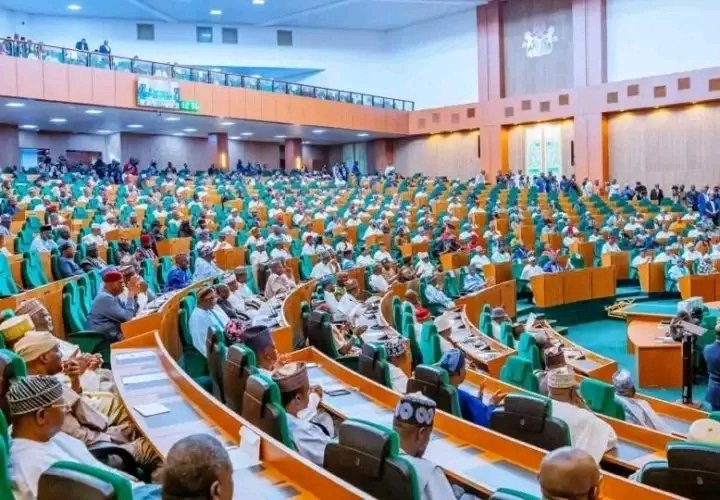
ABUJA, NIGERIA — The All Progressives Congress has recorded a setback in the House of Representatives following the defection of two of its members to opposition parties, the Peoples Redemption Party and the African Democratic Congress, in a move that signals emerging political realignments ahead of the 2027 general elections.
The lawmakers’ departure was announced during plenary, where their defection letters were formally read, citing internal disagreements and shifting political alignments as key reasons for their decision. The development has stirred fresh debate within political circles, particularly regarding party cohesion and evolving power dynamics in the legislature.
According to the letters, the affected lawmakers expressed dissatisfaction with internal party structures and alleged unresolved grievances within the ruling party. While specific details of their complaints were not fully disclosed on the floor of the House, political observers suggest that the defections may be linked to broader strategic positioning ahead of the next electoral cycle.
The move to the Peoples Redemption Party and the African Democratic Congress is seen by analysts as part of a growing pattern of political repositioning, as parties begin to strengthen their structures and alliances ahead of the 2027 general elections.

In response, members of the ruling party downplayed the significance of the defections, insisting that the party remains stable and focused on governance. They argued that occasional movements of legislators between parties are not unusual in Nigeria’s political landscape and do not necessarily reflect a broader loss of support.
However, opposition figures have described the development as evidence of increasing dissatisfaction within the ruling party, suggesting that more defections could follow if internal conflicts are not addressed. They also welcomed the new entrants, describing their arrival as a boost to opposition strength in the legislature.
Political analysts note that defections in the National Assembly often reflect deeper strategic calculations, including access to political platforms, constituency interests, and long-term electoral ambitions. They caution that such movements may continue as political actors reposition themselves ahead of what is expected to be a highly competitive election season.
The House leadership has not indicated any disciplinary action regarding the defections, while parliamentary procedures require formal notification and documentation of party changes for record purposes.
As the 2027 elections draw closer, observers say the latest defections highlight the fluid nature of party loyalty in Nigeria’s political system and underscore the increasing importance of coalition-building and internal party management.
The situation continues to develop as political stakeholders watch for further movements within the legislature and broader party structures across the country.




