


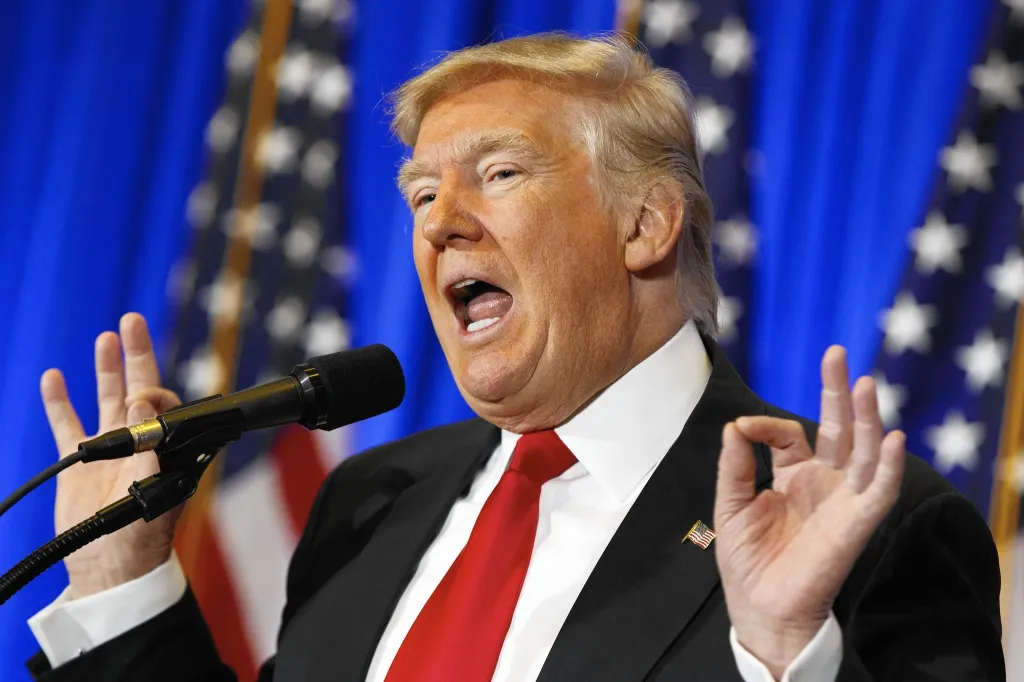
United States President Donald Trump will attend next month’s NATO summit in Turkey, Secretary of State Marco Rubio has confirmed, signalling Washington’s continued engagement with the military alliance despite growing disagreements with some European partners.
Speaking before the House Foreign Affairs Committee on Wednesday, Rubio said Trump would personally participate in the July 7–8 summit in Ankara, where leaders of NATO’s 32 member nations are expected to discuss the future direction of the alliance.
“The President himself will be attending the next NATO meeting of heads of state, where all these points will be made clear,” Rubio said.
“We’re still in NATO, but NATO needs significant changes.”

Rubio described the upcoming gathering as one of the most consequential meetings in the alliance’s history, saying key issues surrounding burden-sharing, military cooperation and strategic priorities would need to be addressed.
“This is probably the most important meeting in NATO’s history because there are some things that need to be cleared up and fixed,” he added.
The summit comes at a time of heightened tension within the alliance following disagreements over the recent conflict involving Iran. Several European governments declined to participate alongside the United States and Israel in military operations against Tehran, exposing divisions among NATO members.
Relations have remained strained in the aftermath, with Washington also reducing some of its military presence in Europe.
In separate testimony before Congress a day earlier, Rubio expressed frustration over Spain’s refusal to allow American forces to use military bases on its territory for operations linked to the Iran conflict.
“We have members of that alliance that are basically denying the use of those bases in a contingency,” Rubio said.
According to him, such actions raise broader questions about the alliance’s effectiveness and level of commitment among member states.
Trump’s attendance at the Ankara summit is expected to draw significant attention as NATO leaders confront growing geopolitical challenges, including the war in Ukraine, instability in the Middle East and debates over defence spending among member countries.
Analysts say the meeting could prove pivotal in shaping the alliance’s future and determining how NATO adapts to an increasingly complex global security environment.
With tensions lingering among allies and major strategic questions on the table, the Ankara summit is likely to be one of the most closely watched international gatherings of the year.




