


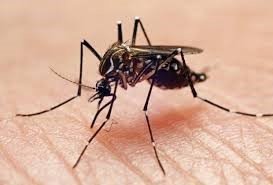
A mosquito control initiative supported by Alphabet, the parent company of Google, has generated widespread public discussion following plans to release millions of bacteria-carrying mosquitoes in parts of California and Florida.
The proposal, currently awaiting federal approval, would involve the annual release of approximately 32 million male mosquitoes over a two-year period, bringing the total number released to about 64 million insects.
The project is designed to reduce populations of Aedes aegypti, a mosquito species known for transmitting diseases such as dengue fever, Zika virus, yellow fever, and chikungunya. Researchers plan to use male mosquitoes infected with Wolbachia, a naturally occurring bacterium that prevents mosquito eggs from developing when infected males mate with wild females.
Because male mosquitoes do not bite humans, scientists say the approach offers a targeted method of reducing disease-carrying mosquito populations without relying heavily on chemical pesticides.

The initiative is being led through Verily, Alphabet’s life sciences division, which launched the Debug Project in 2016 to explore innovative methods of combating mosquito-borne diseases. According to project researchers, the targeted mosquito species poses a significant public health challenge worldwide, placing billions of people at risk of infection.
Despite the scientific objectives behind the proposal, the plan has faced criticism from some members of the public and political leaders who have raised concerns about potential ecological consequences and the long-term effects of releasing large numbers of modified insects into the environment.
Among the critics is U.S. Representative Tim Burchett of Tennessee, who questioned the involvement of a technology company in mosquito-control efforts and cautioned against altering natural ecosystems. He referenced previous cases where introduced species caused unintended environmental problems.
Public reactions on social media have also been divided. Some users have expressed concerns about transparency, environmental safety, and the role of large corporations in public health projects. Others have called for broader public consultation before implementation.
The proposal has additionally drawn comparisons to earlier mosquito-control research supported by the Bill & Melinda Gates Foundation. However, foundation representatives have stated that the organization does not fund mosquito-release programs in the United States.
The debate has also fueled online speculation and misinformation, with various unsupported claims circulating on social media regarding the purpose of the mosquito releases. Public health experts have repeatedly emphasized that the project is intended solely as a disease-control measure.
Supporters of the initiative argue that Wolbachia-based mosquito suppression has been studied and used in multiple locations around the world, producing encouraging results in efforts to reduce disease-transmitting mosquito populations.
Federal regulators are expected to review the proposal before making a final decision on whether the project can move forward.




