


tech-probably-raises-9m-fix-ai-hallucinations
Probably Raises $9M To Fix AI Hallucination Issues Backed by Andreessen Horowitz, startup Probably aims to reach 99.99 percent accuracy in models by wrapping them in tight validation layers to make AI completely safe for strict fields like healthcare and finance. Startup Probably just secured $9 million in seed funding to eliminate AI hallucinations and boost accuracy for strict enterprise businesses.
Essentially, artificial intelligence has a major lying problem today. Large language models often create fake facts with high confidence. As a result, many businesses refuse to trust these tools. Indeed, executives worry about damaging their brand reputations with false claims.
Fixing The Hallucination Trap
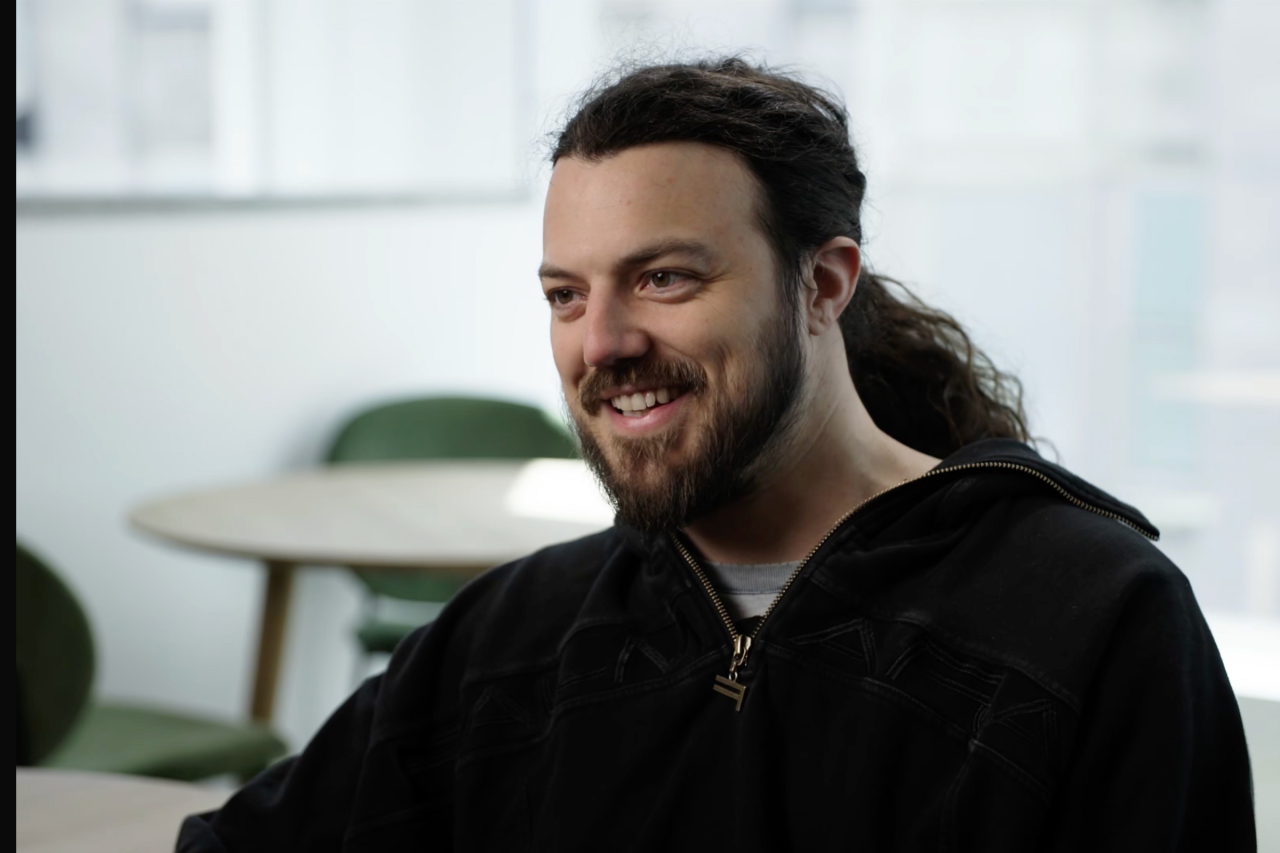
Consequently, a new startup called Probably wants to change this. The company focuses entirely on fixing these dangerous software errors. Specifically, Peter Elias founded the San Francisco firm very recently. Indeed, he built the talented team to solve strict enterprise data needs.

Furthermore, famous venture capital firm Andreessen Horowitz led the round. TechCrunch covered this important nine million dollar financial milestone today. Therefore, the startup now has money to build reliable systems. In fact, investors clearly want practical solutions instead of simple tech hype.
Building A Validation Layer
Simultaneously, the company takes a unique approach to data safety. It wraps language models in special deterministic software validation layers. Additionally, this layer checks every single answer for absolute truth. Consequently, the system matches text against highly verifiable external data sources.
Specifically, bad answers never reach the final end user. Every response includes clear citations and deep technical audit trails. Indeed, the founders target a massive 99.99 percent accuracy rate. Specifically, they want only one error per ten thousand generated answers.
Meeting Strict Industry Rules
Additionally, this exact precision matters in strictly regulated industries. Modern healthcare and accounting firms demand perfect data audit trails. For example, regulators require strict proof for every automated decision. Therefore, Probably built a tool that naturally respects these strict laws.
Meanwhile, Probably uses smaller models to save money and power. These specific models rank four tiers below current frontier versions. However, the clever validation layer makes them perform much better. Specifically, the smart engineers build reliability directly into the base code.
Running Lean And Local
Subsequently, the firm delivers great results at a tiny cost. Specifically, they avoid forcing big models to learn every single fact. For example, clients can run this entire system on local hardware. Consequently, this setup allows businesses to keep data on premises.
Therefore, medical and financial records stay safe from public leaks. This smart setup also cuts expensive cloud computing token fees. Additionally, their first major product serves as a data tool. For example, normal office workers can easily ask complex dataset questions daily.
Changing The Enterprise Market
Ultimately, the broader tech market desperately needs these safe tools. Top global news outlets confirm that bad data hurts businesses. For example, Reuters reports that AI hallucinations cause serious risks. Additionally, Crypto Briefing notes that confident lies have become genuine liabilities.
In contrast, this safety trend matches other movements in the sector. Tech leaders now understand the massive value of digital trust. Specifically, NewCore recently raised $66 million to give agents secure identities. Therefore, the tech world now prioritizes safety over pure generation speed.
To conclude, the tech industry must fix its accuracy problems. Blindly trusting large models simply does not work for business. However, smart startups already have the right tools to help. Indeed, these validation layers provide a clear path forward for everyone.




