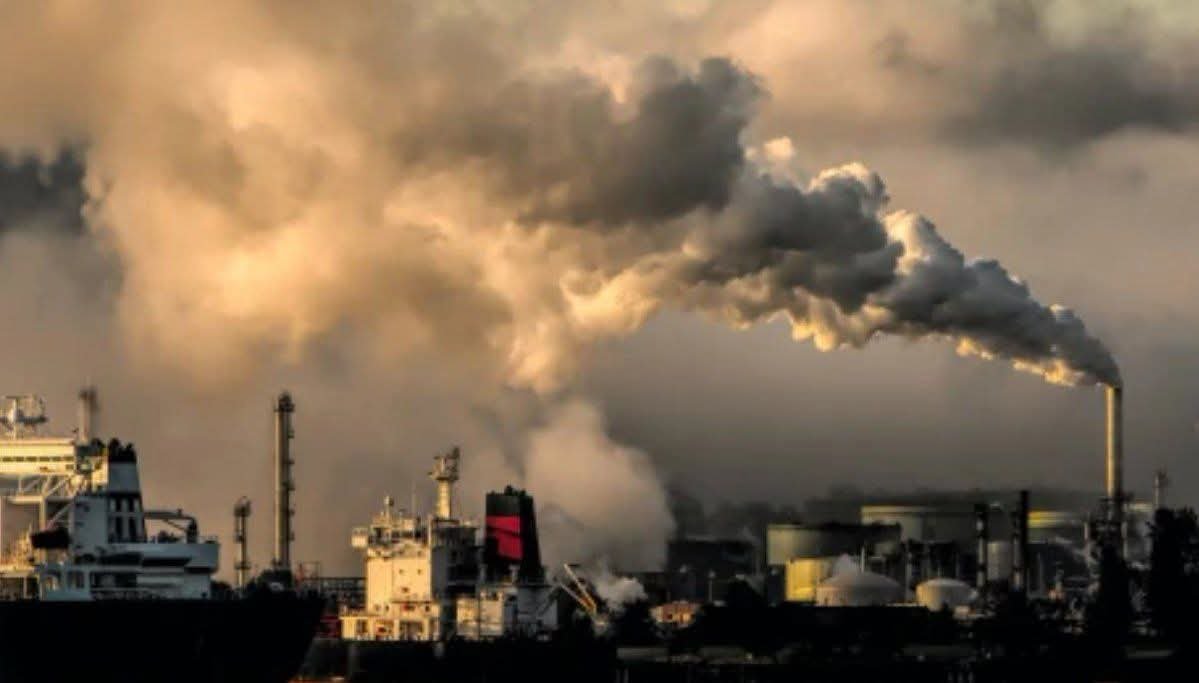
ABUJA, Nigeria — The Natural Resource Governance Institute (NRGI) has called for stronger enforcement of methane emissions regulations in Nigeria’s oil and gas sector, stressing that progress recorded in methane regulation and disclosure must translate into concrete action on the ground.
Speaking on Tuesday during a webinar titled “Leveraging media storytelling to strengthen accountability and enforcement on methane emissions,” Tengi George-Ikoli, NRGI country manager, said the real test lies in implementation. “Progress on paper is not the same as progress in practice,” she said. “Are commitments being met? Are emissions being measured accurately? Are regulations being enforced consistently? And most importantly, are the experiences of affected communities reflected in the decisions being made?”
The webinar was organised as part of the advocacy campaign for “Flaring Lives,” a documentary co-produced by Policy Alert and We The People with support from NRGI. The documentary highlights the environmental, health and socio-economic impacts of methane emissions and gas flaring on communities in the Niger Delta.
George-Ikoli noted that Nigeria is simultaneously pursuing increased gas production and ambitious methane reduction targets, raising concerns about whether both objectives can be achieved sustainably. She emphasised that methane emissions are not merely a climate issue for host communities, noting that they also affect public health, livelihoods, farmlands and fishing waters.
According to her, the global shift towards stricter methane standards, particularly in export markets such as the European Union, means countries and companies will increasingly be assessed not only by what they produce but also by how they produce it. “If Nigeria is to successfully pursue its gas ambitions while meeting its methane reduction commitments, enforcement must become stronger and more consistent. Regulations only matter if there are consequences for non-compliance,” she said.
The NRGI country manager also called for a unified approach to measuring methane emissions, stronger monitoring, reporting and verification systems, and accelerated implementation of the Nigerian gas flare commercialisation programme. She said oil companies should go beyond disclosure by actively managing and reducing methane emissions.
George-Ikoli stressed that community wellbeing should remain central to decision-making on methane reduction strategies. “The success of any methane reduction strategy should not be measured only by tonnes of emissions avoided, but also by whether it improves the lives of the people most directly affected,” she said.
Tijah Bolton-Apkan, executive director of Policy Alert, said communities in the Niger Delta have borne the burden of gas flaring for decades. “For over six decades, the flames of gas flaring have lit up the night skies of the Niger Delta, a daily reminder of the huge burden borne by oil-producing communities. Behind every flare stack are communities battling respiratory illnesses, contaminated farmlands, vanishing fish stocks, and a climate that grows more hostile by the year,” he said.
Nigeria’s updated nationally determined contribution (NDC) commits to reducing fugitive emissions from the oil and gas sector by about 60 percent and ending routine gas flaring by 2030, measures expected to significantly cut methane emissions. However, the effectiveness of these commitments depends largely on transparency from companies operating in the sector. In 2023, only 15 out of 62 oil companies disclosed their emissions, raising concerns about gaps in reporting and accountability.