


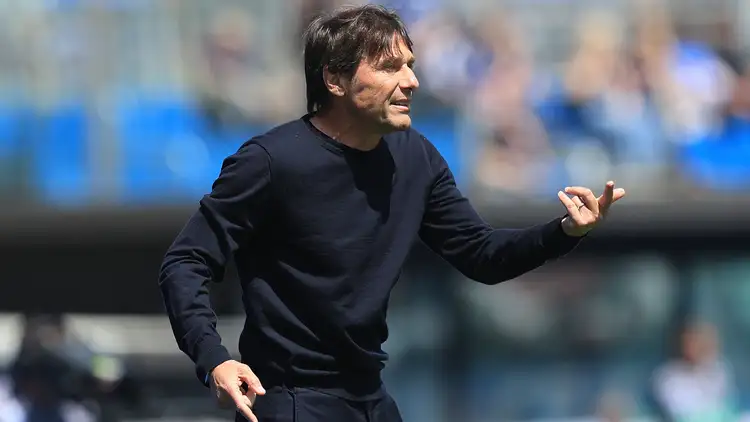
Italian football has turned to one of its most respected and demanding managers in a decisive effort to restore the nation’s standing on the international stage. Antonio Conte is set to return as head coach of Italy, with the Italian Football Federation placing its trust in the experienced tactician to rebuild a national team that has endured one of the most challenging periods in its proud history.
The appointment marks a significant moment for the Azzurri, who are seeking stability, direction, and renewed ambition after a series of disappointing World Cup campaigns that have shaken confidence in one of football’s traditional powerhouses.
Conte’s return is expected to signal the beginning of a long-term project aimed at restoring Italy’s identity, competitiveness, and status among the elite nations of world football.

Italy Turns to a Proven Winner
According to reports in Italy, the Italian Football Federation has reached an agreement with Conte on a four-year contract that will keep him in charge through the 2030 FIFA World Cup cycle.
The federation’s decision reflects a growing belief that short-term solutions are no longer sufficient for the challenges facing Italian football. Instead, officials want a coach capable of implementing a comprehensive vision that extends beyond immediate qualification objectives.
Conte’s reputation as a serial winner made him the standout candidate.
Throughout his managerial career, the 56-year-old has consistently transformed teams into title contenders. His achievements include multiple Serie A championships with Juventus, a Premier League title with Chelsea, and domestic success with Napoli. Known for his tactical discipline, relentless work ethic, and ability to maximize the potential of his players, Conte has built a reputation as one of football’s most effective managers.
For Italy, his appointment represents more than a coaching change. It symbolizes a commitment to rebuilding a winning culture.
A Familiar Face Returns to the National Team
Conte is no stranger to the Italian national team setup.
He previously managed Italy between 2014 and 2016, overseeing a period in which the Azzurri exceeded expectations despite having a squad many considered less talented than previous generations.
His greatest achievement during that spell came at UEFA Euro 2016, where Italy produced some of the tournament’s most impressive performances. Conte guided the team past reigning European champions Spain before pushing Germany to the limit in a dramatic quarter-final encounter that was ultimately decided by penalties.
Many observers still regard that campaign as one of the finest examples of tactical organization and team spirit in modern international football.
His departure after Euro 2016 left a significant void, and several football analysts believe Italy never fully replaced the leadership and direction he provided during that period.
The Challenge Facing Italian Football
Conte returns at a time when Italian football is facing intense scrutiny.
The four-time world champions have struggled to replicate the consistency and dominance that once made them one of the most feared teams in international competition. Recent failures have exposed structural issues ranging from youth development concerns to inconsistency at senior national team level.
The latest setback proved particularly painful.
Italy’s failure to secure qualification following a disappointing campaign has intensified calls for major reform. Missing out on the World Cup once again has left supporters frustrated and federation officials under pressure to deliver meaningful change.
For a nation with a rich footballing tradition that includes World Cup triumphs in 1934, 1938, 1982, and 2006, prolonged absence from football’s biggest stage has become increasingly difficult to accept.
Conte’s arrival is viewed as a crucial step toward reversing that trend.
Success at Club Level Strengthens His Credentials
Before accepting the national team role, Conte enjoyed another successful spell in club football.
His recent tenure at Napoli saw the club compete at the highest level domestically, securing major silverware and maintaining a competitive presence in Italian football. However, after discussions with club management, both parties agreed it was time for a new direction.
The decision cleared the path for his return to international management.
Conte has often spoken about the unique pride associated with representing Italy, and the opportunity to guide his country through a rebuilding process appears to have been a challenge he could not ignore.
His extensive experience at elite clubs across Europe is expected to benefit a national team seeking greater consistency and professionalism.
Support From Serie A Clubs
One of the most notable aspects of Conte’s appointment is the widespread support it has reportedly received from leading Serie A clubs.
Many club executives believe his return will have a positive impact on the broader football ecosystem in Italy. His emphasis on discipline, tactical awareness, and player development aligns with efforts to improve standards across the domestic game.
Conte has earned a reputation for demanding excellence from everyone around him, including players, coaching staff, and administrators.
That reputation has generated confidence among stakeholders who believe his leadership can help inspire a new generation of Italian footballers.
Building Toward the 2030 World Cup
The federation’s long-term strategy is focused firmly on the future.
With the 2030 FIFA World Cup set to be hosted by Spain, Portugal, and Morocco, Italy wants to ensure it arrives not merely as a participant but as a genuine contender for the title.
Conte’s four-year mandate provides sufficient time to evaluate emerging talents, develop a cohesive squad, and establish a clear footballing philosophy.
His ability to create organized, competitive teams will be critical as Italy attempts to rebuild confidence and restore belief among supporters.
A Defining Mission
Antonio Conte’s return may prove to be one of the most significant appointments in recent Italian football history.
The task before him is immense. He must reconnect the national team with its winning traditions while preparing a new generation to compete against the strongest nations in world football.
Yet if there is one manager capable of embracing such pressure, it is Conte.
Known for his passion, determination, and unwavering pursuit of excellence, he now begins a mission to end years of disappointment and guide Italy back to where many believe it belongs: among football’s global elite.
For Italian supporters, the message is clear. A new chapter has begun, and Antonio Conte has been entrusted with writing it.




