


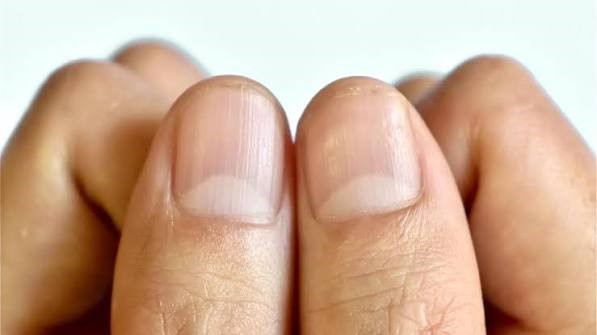
Fingernails do more than protect the tips of your fingers. According to health experts, they can also provide valuable clues about your overall health. While changes in nail appearance are often harmless, persistent abnormalities may signal an underlying medical condition that requires attention.
Recognising unusual changes early can help identify potential health problems before they become more serious.
Pale Nails
Nails that appear unusually pale may be associated with anaemia, poor nutrition, or certain liver and heart conditions. If the discoloration persists, a medical evaluation is recommended.
Yellow Nails
Yellow nails are commonly caused by fungal infections. However, in some cases, they may also be linked to chronic lung disease, diabetes, or thyroid disorders, particularly if accompanied by thickened or slow-growing nails.

White Spots
Small white spots on the nails are often the result of minor injuries to the nail surface. Contrary to popular belief, they are usually not caused by a calcium deficiency. Persistent or widespread white patches, however, should be assessed by a healthcare professional.
Dark Lines Under the Nail
A dark brown or black streak beneath the nail should never be ignored, especially if it appears without an injury. Although it can have harmless causes, it may also be an early sign of a serious skin condition that requires prompt medical attention.
Brittle or Cracked Nails
Nails that break easily or split frequently may result from repeated exposure to water and cleaning products. They can also be associated with ageing, nutritional deficiencies, or thyroid disorders.
Spoon-Shaped Nails
Nails that curve upward with a noticeable dip in the centre, known as spoon nails, may be linked to iron-deficiency anaemia or other medical conditions. Persistent changes should be evaluated by a healthcare provider.
Clubbed Fingernails
Clubbing occurs when the fingertips become enlarged and the nails curve around them. This change can develop gradually and may be associated with chronic heart or lung disease. Medical assessment is important if clubbing is noticed.
Horizontal Ridges
Deep horizontal grooves across the nails may appear after a severe illness, infection, or significant physical stress. In some cases, they can indicate an underlying health problem that interrupted normal nail growth.
Pitted Nails
Small dents or pits on the nail surface are sometimes linked to skin conditions such as psoriasis or eczema. They may also occur with certain autoimmune disorders.
Blue or Purple Nails
Nails that appear blue or purple may indicate that the body is not receiving enough oxygen. This change can be associated with heart or lung conditions and should be evaluated as soon as possible, particularly if accompanied by breathing difficulties.
When to See a Doctor
Many nail changes are temporary and harmless, but persistent discoloration, unusual shapes, thickening, pain, or changes that occur without an obvious cause should not be ignored. A healthcare professional can determine whether the changes are related to a medical condition or are simply part of normal ageing.
Maintaining good nail hygiene, eating a balanced diet, staying hydrated, and protecting your hands from harsh chemicals can help keep your nails healthy.
Disclaimer: This article is for educational purposes only and should not replace professional medical advice. Anyone with persistent nail changes or other concerning symptoms should consult a qualified healthcare provider for proper diagnosis and treatment.




