


Healthy bones and joints are essential for movement, balance, and overall quality of life. As people age, bones naturally lose density and joints may become less flexible, increasing the risk of osteoporosis, arthritis, and fractures.
Health experts say a balanced diet rich in calcium, vitamin D, protein, and other essential nutrients can help maintain strong bones and healthy joints throughout life.
1. Milk
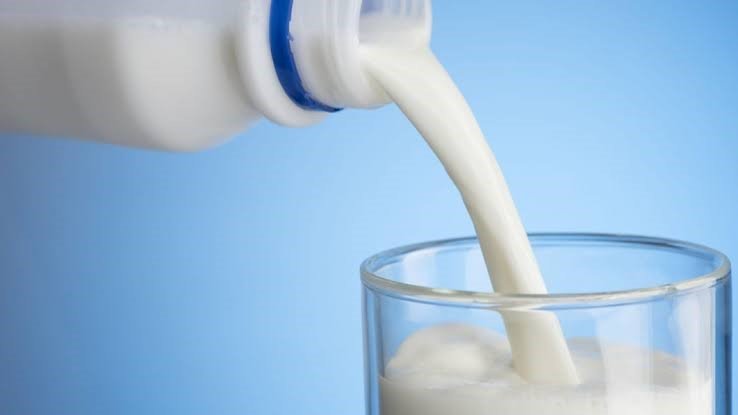
Milk is one of the best-known sources of calcium, a mineral that helps build and maintain strong bones. Many varieties are also fortified with vitamin D, which helps the body absorb calcium more effectively.
2. Yogurt
Yogurt provides calcium, protein, and probiotics that support overall health. Choosing plain, low-sugar yogurt can be a nutritious option for maintaining bone strength.

3. Fatty Fish
Salmon, sardines, and mackerel are rich in vitamin D and omega-3 fatty acids. Vitamin D supports calcium absorption, while omega-3s may help reduce joint inflammation.
4. Leafy Green Vegetables
Spinach, kale, and broccoli contain calcium, vitamin K, and magnesium—nutrients that play important roles in maintaining healthy bones.
5. Eggs
Egg yolks provide small amounts of vitamin D along with high-quality protein, which is essential for maintaining muscles that support the joints.
6. Almonds
Almonds are a good source of magnesium, healthy fats, and calcium, all of which contribute to bone health.
7. Beans and Lentils
Beans, lentils, and chickpeas provide plant-based protein, magnesium, phosphorus, and other nutrients that help maintain healthy bones and muscles.
8. Oranges
Oranges are rich in vitamin C, which is needed for the production of collagen—a protein that supports cartilage, bones, and connective tissues.
9. Tofu
Calcium-set tofu is an excellent source of calcium and protein, making it a healthy option for people who consume little or no dairy.
10. Nuts and Seeds
Walnuts, chia seeds, flaxseeds, and sesame seeds contain healthy fats, magnesium, and phosphorus, nutrients that support bone strength and joint health.
Healthy Habits That Protect Bones and Joints
Nutrition is only part of maintaining healthy bones and joints. Health experts also recommend:
- Engaging in regular weight-bearing exercises such as walking or strength training.
- Getting enough vitamin D through safe sunlight exposure and diet.
- Maintaining a healthy body weight to reduce pressure on the joints.
- Avoiding smoking.
- Limiting excessive alcohol consumption.
- Taking steps to prevent falls, especially in older adults.
When to See a Doctor
Persistent joint pain, swelling, stiffness, frequent fractures, or loss of height should be evaluated by a healthcare professional. Early diagnosis and treatment can help prevent complications and preserve mobility.
The Bottom Line
Strong bones and healthy joints depend on a combination of good nutrition, regular physical activity, and healthy lifestyle habits. Including calcium-rich foods, vitamin D, protein, fruits, vegetables, and healthy fats in your diet can help support mobility and reduce the risk of bone and joint disorders.
Disclaimer: This article is for informational purposes only and should not replace professional medical advice. Anyone with persistent bone or joint problems should consult a qualified healthcare professional for proper evaluation and treatment.




