


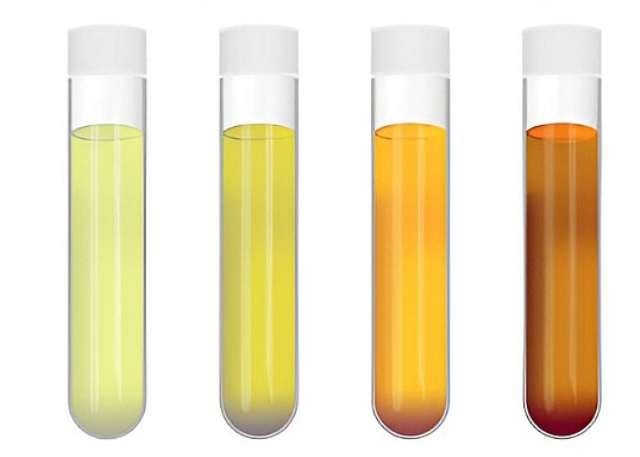
The colour of your urine can provide valuable clues about your hydration level and overall health. While changes in urine colour are often harmless and related to the foods you eat or medications you take, they can sometimes signal an underlying medical condition that requires attention.
Health experts say knowing what is normal and when to seek medical advice can help you identify potential health problems early.
What Determines Urine Colour?
Urine gets its yellow colour from a pigment called urochrome, which is produced when the body breaks down old red blood cells.
The amount of water in your urine affects how light or dark the colour appears.

Clear Urine
Clear urine usually means you are well hydrated.
However, consistently clear urine may indicate that you are drinking more water than your body needs. In some cases, it may also be associated with certain medical conditions, although this is less common.
Pale Yellow Urine
Pale yellow is generally considered the ideal urine colour.
It usually indicates that you are properly hydrated and your kidneys are functioning normally.
Dark Yellow or Amber Urine
Dark yellow urine often suggests mild dehydration.
Drinking more water usually returns the urine to its normal colour.
If the urine remains dark despite adequate fluid intake, medical evaluation may be necessary.
Orange Urine
Orange urine may result from:
- Dehydration.
- Certain medications.
- Vitamin supplements, especially high doses of vitamin B.
- Liver or bile duct problems in some cases.
Persistent orange urine should be assessed by a healthcare professional.
Pink or Red Urine
Red or pink urine may be caused by:
- Blood in the urine.
- Eating foods such as beetroot, blackberries, or rhubarb.
- Certain medications.
Because blood in the urine can indicate infections, kidney stones, kidney disease, or cancer, medical evaluation is recommended whenever the cause is unclear.
Brown Urine
Brown urine may occur due to:
- Severe dehydration.
- Liver disease.
- Certain medications.
- Muscle injury in rare cases.
It should not be ignored if it persists.
Blue or Green Urine
Blue or green urine is uncommon but can result from:
- Certain medications.
- Food colourings.
- Rare genetic disorders.
- Some bacterial infections.
Persistent unusual urine colours should be discussed with a healthcare provider.
Cloudy Urine
Cloudy urine is not a colour but an appearance that may indicate:
- A urinary tract infection.
- Kidney stones.
- Excess minerals in the urine.
- Dehydration.
If accompanied by pain, fever, or a strong odour, medical attention is advisable.
When Should You See a Doctor?
Seek medical advice if you notice:
- Blood in your urine.
- Dark urine that does not improve with hydration.
- Cloudy urine with pain or fever.
- Persistent orange, brown, blue, or green urine without an obvious cause.
- Changes in urine colour that last several days.
These symptoms may require further evaluation.
How to Maintain Healthy Urine
You can help keep your urinary system healthy by:
- Drinking enough water each day.
- Eating a balanced diet.
- Managing diabetes and high blood pressure.
- Avoiding smoking.
- Seeking prompt treatment for urinary tract infections.
These habits also support overall kidney health.
The Bottom Line
Urine colour can offer important insights into your hydration status and general health. Pale yellow urine is usually a sign of good hydration, while dark, red, brown, or persistently unusual colours may indicate dehydration or an underlying medical condition. Paying attention to changes in urine colour and seeking medical advice when necessary can help protect your urinary and kidney health.
Disclaimer: This article is for informational purposes only and should not replace professional medical advice. Anyone who notices persistent or unexplained changes in urine colour should consult a qualified healthcare professional for proper evaluation and treatment.




