


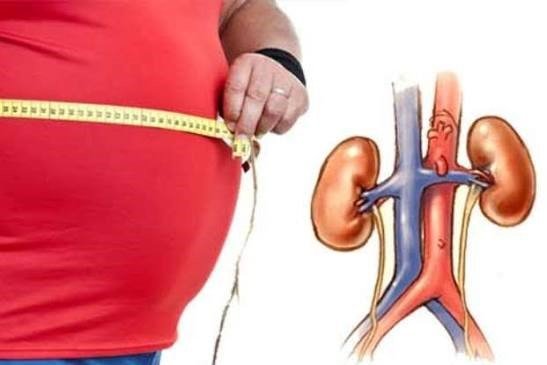
Obesity is widely known to increase the risk of conditions such as heart disease and diabetes, but it can also have a serious impact on kidney health. Excess body weight places additional strain on the kidneys, making them work harder to filter blood. Over time, this extra workload can contribute to chronic kidney disease (CKD) and, in severe cases, kidney failure.
Health experts say maintaining a healthy weight is one of the most effective ways to protect kidney function and reduce the risk of long-term complications.
How Do the Kidneys Work?
The kidneys filter waste products, excess fluid, and toxins from the blood. They also help regulate blood pressure, balance minerals and electrolytes, and produce hormones that support healthy bones and red blood cell production.
When the kidneys are under constant stress, their ability to perform these essential functions may gradually decline.

How Obesity Affects the Kidneys
Excess body fat can harm the kidneys in several ways.
Obesity may:
- Increase the workload on the kidneys.
- Raise blood pressure.
- Increase the risk of type 2 diabetes.
- Promote chronic inflammation.
- Damage the tiny blood vessels that filter the blood.
- Increase protein leakage into the urine.
Over time, these changes can lead to permanent kidney damage.
Obesity and Chronic Kidney Disease
Studies have shown that people with obesity are more likely to develop chronic kidney disease than those with a healthy weight.
The risk is even higher when obesity occurs alongside:
- High blood pressure.
- Type 2 diabetes.
- High cholesterol.
- Heart disease.
These conditions often work together to accelerate kidney damage.
Warning Signs of Kidney Disease
Early kidney disease may not cause noticeable symptoms.
As kidney function declines, symptoms may include:
- Swelling of the feet, ankles, or face.
- Foamy urine.
- Blood in the urine.
- Persistent fatigue.
- Loss of appetite.
- Difficulty concentrating.
- High blood pressure.
- Changes in urination.
Routine health checks are important because symptoms often appear only after significant kidney damage has occurred.
Can Losing Weight Help?
For many people, achieving and maintaining a healthy weight can:
- Reduce pressure on the kidneys.
- Improve blood pressure.
- Lower blood sugar levels.
- Reduce protein leakage into the urine.
- Slow the progression of chronic kidney disease.
Even modest weight loss can provide meaningful health benefits.
How to Maintain a Healthy Weight
Healthcare professionals recommend:
- Eating a balanced diet rich in fruits, vegetables, whole grains, and lean protein.
- Limiting highly processed foods and sugary drinks.
- Reducing salt intake.
- Exercising regularly.
- Getting enough sleep.
- Managing stress.
- Seeking professional guidance if weight loss is difficult.
Sustainable lifestyle changes are generally more effective than crash diets.
Who Should Have Regular Kidney Checks?
Regular kidney function tests are especially important for people who:
- Have obesity.
- Have diabetes.
- Have high blood pressure.
- Have a family history of kidney disease.
- Are over 60 years of age.
Early detection allows treatment to begin before serious complications develop.
When Should You See a Doctor?
Seek medical advice if you:
- Notice swelling in your feet or face.
- Have persistent high blood pressure.
- Experience changes in urination.
- Feel unusually tired for several weeks.
- Have obesity together with diabetes or high blood pressure.
Your healthcare provider may recommend urine and blood tests to assess kidney function.
The Bottom Line
Obesity increases the risk of chronic kidney disease by placing extra strain on the kidneys and contributing to conditions such as diabetes and high blood pressure. Maintaining a healthy weight through balanced nutrition, regular physical activity, and routine medical check-ups can help protect kidney function and improve overall health. Early intervention is key to preventing long-term kidney damage.
Disclaimer: This article is for informational purposes only and should not replace professional medical advice. Anyone concerned about their weight or kidney health should consult a qualified healthcare professional for personalised evaluation and guidance.




