


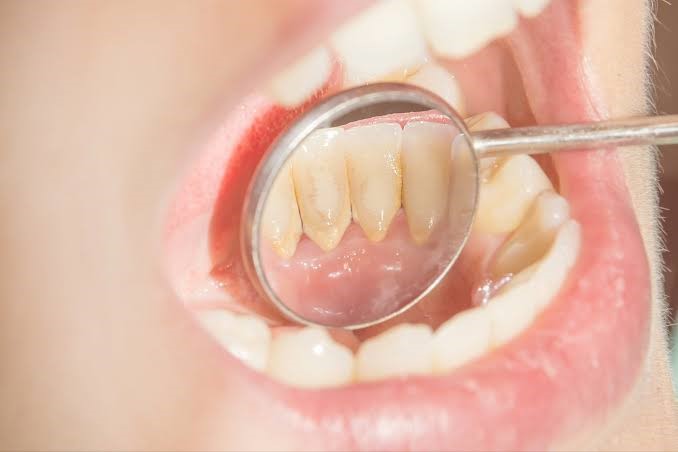
Dental plaque and tartar are among the leading causes of tooth decay and gum disease worldwide. Although plaque forms naturally every day, failing to remove it through proper oral hygiene allows it to harden into tartar, which cannot be removed by brushing alone. Dentists warn that ignoring plaque buildup can lead to serious oral health problems, including tooth loss.
Health experts recommend regular professional dental cleanings alongside daily brushing and flossing to maintain healthy teeth and gums.
What Are Dental Plaque and Tartar?
Plaque is a soft, sticky film of bacteria that constantly forms on the teeth.
When plaque is not removed, it combines with minerals in saliva and hardens into tartar, also known as dental calculus.

Unlike plaque, tartar firmly attaches to the teeth and usually requires professional removal.
How Do Plaque and Tartar Form?
The process begins when bacteria in the mouth feed on sugars and starches from food.
These bacteria produce acids that:
- Damage tooth enamel.
- Irritate the gums.
- Encourage plaque formation.
If plaque remains on the teeth for several days, it hardens into tartar, making it easier for more bacteria to accumulate.
Signs of Plaque and Tartar Buildup
Common signs include:
- Yellow or brown deposits on the teeth.
- Bleeding gums during brushing or flossing.
- Persistent bad breath.
- Swollen or red gums.
- Rough feeling on the teeth.
- Tooth discoloration.
Many people do not notice plaque until gum disease begins to develop.
Possible Complications
Untreated plaque and tartar can lead to:
- Tooth decay (cavities).
- Gingivitis.
- Periodontitis (advanced gum disease).
- Gum recession.
- Loose teeth.
- Tooth loss.
- Increased risk of systemic inflammation associated with poor oral health.
How Are Plaque and Tartar Diagnosed?
A dentist or dental hygienist can identify plaque and tartar through:
- A visual examination.
- Checking for gum inflammation.
- Measuring gum pockets.
- Dental X-rays if gum disease is suspected.
Routine dental check-ups help detect buildup before serious damage occurs.
Treatment
Professional Dental Cleaning
Scaling and polishing remove plaque and tartar from above and below the gum line.
Deep Cleaning
If gum disease has developed, scaling and root planing may be required to remove bacteria beneath the gums.
Home Oral Care
Maintaining good oral hygiene after professional cleaning helps prevent plaque from returning.
How Can You Prevent Plaque and Tartar?
To reduce buildup:
- Brush your teeth twice daily with fluoride toothpaste.
- Floss every day.
- Limit sugary foods and drinks.
- Drink plenty of water.
- Avoid smoking and tobacco products.
- Visit your dentist every six months, or as recommended.
Consistent oral care is the most effective way to prevent plaque from becoming tartar.
When Should You See a Dentist?
Book a dental appointment if you notice:
- Bleeding or swollen gums.
- Persistent bad breath.
- Yellow or brown deposits on your teeth.
- Loose teeth.
- Tooth pain or sensitivity.
Early treatment can prevent more serious dental problems.
The Bottom Line
Dental plaque forms every day, but when it is not removed, it hardens into tartar that can only be removed professionally. Left untreated, plaque and tartar increase the risk of cavities, gum disease, and tooth loss. Daily brushing, flossing, healthy eating, and regular dental cleanings remain the best defence against these common oral health problems.
Disclaimer: This article is for informational purposes only and should not replace professional dental advice. Individuals experiencing signs of plaque buildup, gum disease, or tooth decay should consult a qualified dentist for proper evaluation and treatment.




