


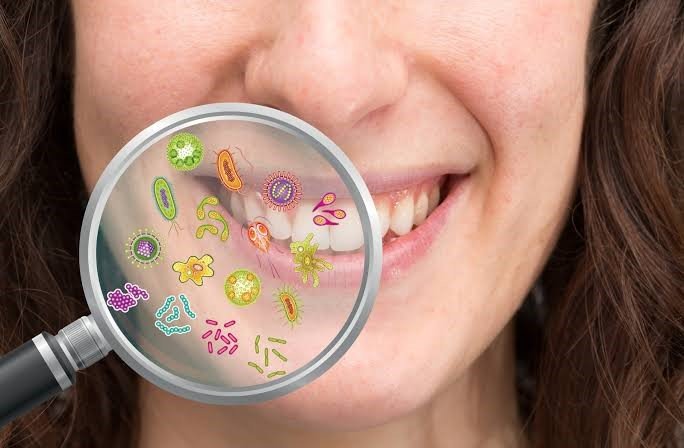
Health professionals are encouraging women to prioritise oral health before and during pregnancy, warning that untreated dental problems may increase the risk of complications for both mother and baby. While hormonal changes during pregnancy can make the gums more sensitive, maintaining good oral hygiene and receiving regular dental care can help reduce the risk of oral disease and support a healthy pregnancy.
Experts emphasise that routine dental care is generally safe during pregnancy and should not be delayed unless advised by a healthcare provider.
How Does Pregnancy Affect Oral Health?
Hormonal changes during pregnancy can make the gums more vulnerable to inflammation caused by plaque.
This may lead to:

- Pregnancy gingivitis.
- Swollen or tender gums.
- Bleeding during brushing or flossing.
- Increased plaque buildup.
These changes are common but should not be ignored.
Why Oral Health Matters During Pregnancy
Untreated oral health problems may:
- Cause pain and discomfort.
- Make eating difficult.
- Increase the risk of gum disease.
- Affect the mother’s overall health.
Some studies have suggested an association between severe gum disease and adverse pregnancy outcomes, although the relationship is complex and continues to be studied.
Common Oral Health Problems During Pregnancy
Pregnant women may experience:
- Bleeding gums.
- Gum swelling.
- Tooth sensitivity.
- Pregnancy-related gum growths (pregnancy tumours), which are usually harmless and temporary.
- Tooth decay due to frequent vomiting or changes in eating habits.
Early dental care can help manage these conditions.
Tips for Maintaining Oral Health During Pregnancy
Health experts recommend:
- Brushing twice daily with fluoride toothpaste.
- Flossing every day.
- Eating a balanced diet rich in calcium and vitamins.
- Drinking plenty of water.
- Rinsing the mouth with water after morning sickness before brushing.
- Attending regular dental check-ups.
Inform your dentist if you are pregnant before receiving treatment.
Is Dental Treatment Safe During Pregnancy?
Yes. Routine dental examinations, cleanings, and many necessary treatments are generally considered safe during pregnancy.
Emergency dental care should not be postponed, as untreated infections may pose greater risks than treatment itself.
Your dentist and obstetric care provider can work together if specialised care is needed.
When Should You See a Dentist?
Seek dental care if you experience:
- Persistent bleeding gums.
- Tooth pain.
- Swelling in the mouth or face.
- Loose teeth.
- Mouth sores that do not heal.
Prompt treatment can help protect both maternal and oral health.
The Bottom Line
Good oral health is an important part of a healthy pregnancy. Hormonal changes can increase the risk of gum problems, making daily oral hygiene and regular dental visits especially important. By seeking timely dental care and maintaining healthy habits, expectant mothers can protect their own health while supporting the well-being of their babies.
Disclaimer: This article is for informational purposes only and should not replace professional medical or dental advice. Pregnant women should consult their dentist and healthcare provider for personalised guidance on maintaining oral health during pregnancy.




