


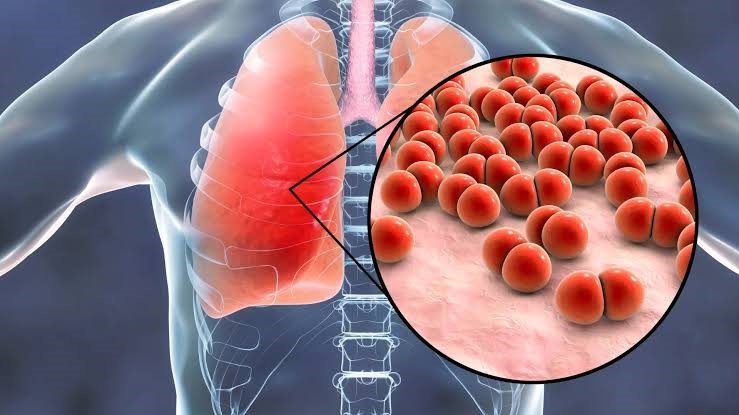
Doctors are urging the public to recognize the early warning signs of pneumonia, emphasizing that prompt diagnosis and treatment can prevent serious complications and save lives. Medical professionals explain that pneumonia is a potentially serious lung infection that causes inflammation of the air sacs in one or both lungs. These air sacs may fill with fluid or pus, making breathing difficult and reducing the amount of oxygen reaching the bloodstream.
Health experts explain that pneumonia can be caused by bacteria, viruses, or fungi, with bacterial and viral infections being the most common. Although people of all ages can develop pneumonia, infants, older adults, pregnant women, smokers, and individuals with weakened immune systems or chronic illnesses face a significantly higher risk of severe disease.
Doctors warn that pneumonia often begins with symptoms that resemble the common cold or flu, making it easy for people to underestimate the seriousness of the illness. Early symptoms may include fever, chills, fatigue, headache, body aches, sore throat, and a persistent cough. As the infection progresses, the cough may produce thick mucus that is yellow, green, brown, or occasionally blood-stained.
Pulmonologists explain that one of the most important warning signs of pneumonia is shortness of breath. As the lungs become inflamed and filled with fluid, they are less able to transfer oxygen into the bloodstream, causing difficulty breathing even during light physical activity. Some individuals may also experience rapid breathing or a feeling of tightness in the chest.

Medical professionals highlight that chest pain is another common symptom. Unlike pain caused by muscle strain, pneumonia-related chest pain often becomes worse when taking deep breaths or coughing. Doctors advise anyone experiencing persistent chest pain along with respiratory symptoms to seek immediate medical evaluation.
Health experts note that high fever accompanied by chills and excessive sweating is frequently seen in bacterial pneumonia. However, older adults may not always develop a high fever and may instead experience confusion, unusual drowsiness, loss of appetite, or sudden weakness. Parents are also encouraged to watch for signs such as fast breathing, difficulty feeding, persistent crying, or bluish lips in infants and young children, as these may indicate severe respiratory distress.
Doctors explain that pneumonia can become life-threatening if left untreated. The infection may spread into the bloodstream, cause respiratory failure, or lead to fluid accumulation around the lungs. Individuals with chronic conditions such as asthma, diabetes, heart disease, or chronic obstructive pulmonary disease (COPD) are especially vulnerable to complications and should seek medical care as soon as symptoms appear.
Medical professionals emphasize that diagnosis typically involves a physical examination, listening to the lungs with a stethoscope, chest X-rays, blood tests, sputum analysis, and, in some cases, oxygen level monitoring. These tests help determine the cause and severity of the infection, allowing doctors to recommend the most appropriate treatment.
Health experts stress that treatment depends on the underlying cause. Bacterial pneumonia is usually treated with antibiotics, while viral pneumonia may require supportive care, antiviral medications in certain cases, rest, adequate hydration, fever management, and oxygen therapy for severe illness. Completing the full course of prescribed medication is essential to ensure complete recovery and reduce the risk of antibiotic resistance.
Doctors also encourage preventive measures to reduce the risk of pneumonia. They recommend receiving recommended vaccinations, including the pneumococcal and influenza vaccines, practicing good hand hygiene, avoiding smoking, maintaining a healthy diet, exercising regularly, and seeking prompt treatment for respiratory infections before they worsen.
In conclusion, medical professionals stress that recognizing the early warning signs of pneumonia is essential for protecting lung health and preventing serious complications. They urge individuals not to ignore persistent cough, fever, chest pain, or difficulty breathing, emphasizing that early diagnosis and timely medical treatment greatly improve recovery and reduce the risk of hospitalization and life-threatening outcomes.




