


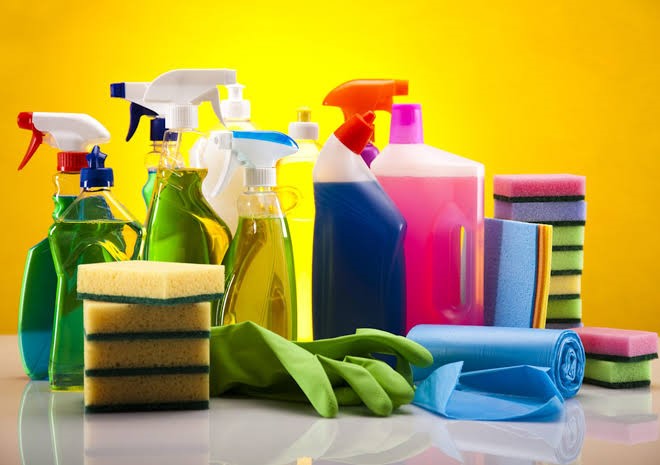
Medical professionals are urging parents and caregivers to store household cleaning products safely, warning that accidental exposure to these substances remains one of the leading causes of poisoning and chemical injuries among young children. According to health experts, many cleaning agents contain powerful chemicals that can cause severe harm if swallowed, inhaled, or allowed to come into contact with the eyes or skin.
Doctors explain that children, particularly those under the age of five, are naturally curious and often explore their surroundings by touching or tasting unfamiliar objects. Brightly colored bottles, pleasant-smelling liquids, and easily accessible containers can attract children’s attention, increasing the risk of accidental poisoning. Experts note that even a small amount of certain cleaning products can cause serious health complications within minutes.
According to emergency medicine specialists, common household products such as bleach, disinfectants, toilet cleaners, drain openers, oven cleaners, detergents, and furniture polish contain chemicals that may burn the mouth, throat, stomach, skin, or eyes. Some products can also release harmful fumes that may irritate the airways or trigger breathing difficulties, particularly in children with asthma or other respiratory conditions.
Medical professionals warn that symptoms of chemical poisoning may include excessive drooling, vomiting, difficulty swallowing, coughing, breathing problems, burns around the lips or mouth, abdominal pain, dizziness, confusion, or loss of consciousness. They emphasize that any child who is suspected of swallowing or being exposed to a hazardous cleaning product should receive immediate medical attention.

Doctors strongly advise parents not to induce vomiting unless specifically instructed by a healthcare professional or poison control service, as doing so may cause additional injury if the chemical passes through the throat a second time. They also discourage giving milk, water, or other drinks without professional advice, since some chemicals react differently depending on their composition.
If a cleaning product comes into contact with the skin or eyes, health experts recommend flushing the affected area immediately with plenty of clean running water for at least 15 to 20 minutes while seeking urgent medical assistance. If harmful fumes have been inhaled, the affected person should be moved to fresh air as quickly as possible, provided it can be done safely.
To prevent accidents, medical professionals encourage families to store all cleaning products in locked cabinets or on high shelves that children cannot reach. Products should always remain in their original containers with clearly labeled instructions. Experts warn against transferring cleaning chemicals into soft drink bottles, water containers, or food packaging, as this greatly increases the risk of accidental ingestion by both children and adults.
Doctors also recommend keeping cleaning products out of sight while they are in use, securely closing lids immediately after use, and never leaving chemical containers unattended, even for a short period. Parents are advised to supervise young children closely during household cleaning and to teach older children that cleaning products are dangerous and should never be handled without adult supervision.
Health specialists further caution against mixing different cleaning agents, particularly bleach with ammonia or acidic cleaners, as such combinations can produce toxic gases capable of causing severe respiratory injury. When using strong cleaning chemicals, they recommend ensuring proper ventilation by opening windows and doors or using exhaust fans.
Medical professionals conclude that most cases of accidental poisoning involving household cleaning products are entirely preventable. They stress that safe storage, careful handling, and constant supervision are essential steps in protecting children from avoidable injuries. By taking simple precautions and responding quickly in emergencies, families can significantly reduce the risk of serious chemical accidents in the home.




