


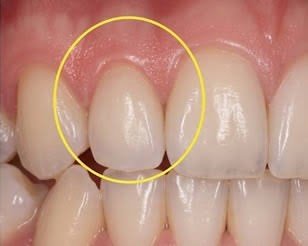
Healthy gums play a vital role in maintaining strong teeth and a confident smile, yet dental experts say gum disease remains one of the most common oral health conditions worldwide. Because the condition often develops without pain in its early stages, professionals emphasize the importance of routine dental checkups and prompt treatment to prevent long-term complications.
Dental specialists note that early intervention can stop the progression of gum disease, preserve natural teeth, and support overall health. Clinics offering advanced periodontal care, including Marigold Dental and Orthodontic Clinic in Abu Dhabi, are using modern diagnostic tools and personalized treatment plans to help patients restore healthy gums before irreversible damage occurs.
Understanding Gum Disease
Gum disease, medically known as periodontal disease, is a bacterial infection that affects the tissues supporting the teeth. It typically begins when plaque accumulates along the gumline. Without proper oral hygiene and professional care, the infection can spread beneath the gums, damaging soft tissue and bone that anchor the teeth.
Dentists explain that the condition generally progresses through two stages:

Gingivitis is the earliest stage, characterized by inflamed, swollen, and bleeding gums. At this point, the underlying bone remains unaffected, making the condition largely reversible with professional cleaning and improved oral hygiene.
Periodontitis develops when gingivitis is left untreated. The infection spreads deeper, leading to gum recession, bone deterioration, loose teeth, and, in severe cases, tooth loss.
Experts agree that early diagnosis significantly improves treatment outcomes and reduces the need for invasive procedures.
Warning Signs Often Go Unnoticed
Dental professionals warn that many people overlook the early symptoms of gum disease because they are usually painless.
Common warning signs include:
- Bleeding gums during brushing or flossing
- Red, swollen, or tender gums
- Persistent bad breath
- Receding gums
- Loose or shifting teeth
- Pain while chewing
- Pus between the gums and teeth
- Increased tooth sensitivity
Anyone experiencing these symptoms is encouraged to seek a professional dental evaluation as soon as possible.
Risk Factors Behind Gum Disease
While poor oral hygiene remains the leading cause of periodontal disease, dentists say several other factors can increase a person’s risk.
These include smoking or tobacco use, diabetes, hormonal changes, certain medications, genetic predisposition, poor nutrition, chronic stress, teeth grinding, and infrequent dental visits.
Understanding these risk factors allows patients to adopt preventive measures before the condition advances.
Why Early Treatment Matters
According to oral health professionals, untreated gum disease can affect more than just the mouth. Research has linked advanced periodontal disease to several systemic health concerns, including cardiovascular disease, diabetes-related complications, and respiratory infections.
Early treatment offers several important benefits, including:
- Preventing further infection
- Preserving natural teeth
- Reducing inflammation
- Eliminating harmful bacteria
- Improving breath freshness
- Restoring healthy gum tissue
- Protecting the jawbone
- Supporting overall health
Dentists emphasize that treating gum disease in its early stages is generally less invasive and produces better long-term results.
Modern Treatment Options
Treatment recommendations vary depending on the severity of the disease.
For early-stage gingivitis, professional dental cleaning removes plaque and tartar from above the gumline, allowing inflamed gums to heal.
Patients with moderate periodontal disease may require scaling and root planing, a deep-cleaning procedure that removes bacteria and hardened deposits beneath the gums while smoothing tooth roots to discourage future bacterial buildup.
Dentists may also prescribe antibacterial mouth rinses or localized antimicrobial medications to control infection and promote healing.
Individuals with a history of gum disease often benefit from regular periodontal maintenance appointments to monitor gum health and prevent recurrence.
In advanced cases, surgical procedures may be necessary to reduce deep periodontal pockets or regenerate damaged gum and bone tissue.
Treatment plans are typically tailored to each patient’s individual oral health needs.
Prevention Remains the Best Defense
Dental experts consistently stress that maintaining good oral hygiene is the most effective way to prevent periodontal disease.
Recommended preventive habits include brushing twice daily with fluoride toothpaste, flossing every day, using antibacterial mouthwash when advised by a dentist, avoiding tobacco products, eating a balanced diet, staying hydrated, and scheduling regular dental examinations and professional cleanings.
These simple practices significantly reduce the risk of gum disease while supporting lifelong oral health.
Focus on Personalized Periodontal Care
Marigold Dental and Orthodontic Clinic provides comprehensive periodontal care designed to detect gum disease early and deliver individualized treatment based on each patient’s condition. The clinic combines experienced dental professionals, advanced diagnostic technology, and customized treatment planning to help patients restore healthy gums and preserve their natural teeth.
Dental professionals at the clinic emphasize that early diagnosis, consistent preventive care, and timely treatment remain the most effective strategies for protecting long-term oral health.
As awareness of gum disease continues to grow, experts encourage individuals not to ignore symptoms such as bleeding gums, persistent bad breath, or gum recession. Seeking prompt professional care can help prevent serious complications and ensure healthier gums, stronger teeth, and a lasting smile.




