


Health experts are encouraging men, particularly those over the age of 50, to prioritize regular prostate cancer screening as the disease continues to rank among the most commonly diagnosed cancers in men worldwide. Medical professionals say early detection remains the most effective way to improve treatment outcomes and reduce prostate cancer-related deaths.
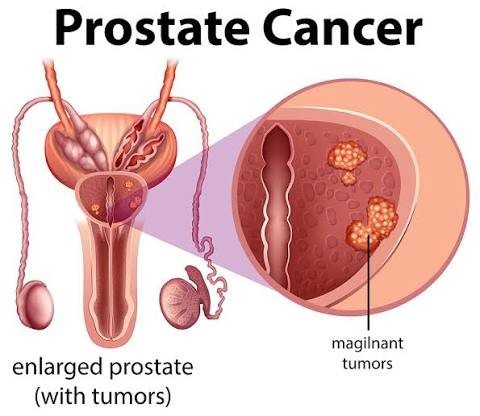
Prostate cancer develops in the prostate, a small gland located below the bladder that produces seminal fluid. While many cases grow slowly and may not cause symptoms in the early stages, some forms of the disease are aggressive and can spread rapidly if left untreated.
According to oncologists and urologists, one of the biggest challenges is that early-stage prostate cancer often develops silently. As a result, many men are diagnosed only after the disease has progressed, making treatment more difficult.
Common Warning Signs
Although early prostate cancer may not present noticeable symptoms, doctors advise men to seek medical evaluation if they experience:

- Frequent urination, especially at night
- Difficulty starting or stopping urination
- Weak or interrupted urine flow
- Pain or burning during urination
- Blood in the urine or semen
- Erectile dysfunction
- Persistent pain in the lower back, hips, or pelvis
- Unexplained weight loss or fatigue in advanced stages
Health professionals stress that these symptoms do not always indicate prostate cancer but should never be ignored.
Who Is Most at Risk?
Medical experts identify several factors that increase the likelihood of developing prostate cancer. Advancing age remains the greatest risk factor, with most cases occurring in men aged 50 and older.
Other risk factors include:
- A family history of prostate cancer
- Certain inherited genetic mutations
- African ancestry, which has been associated with higher incidence and mortality rates
- Obesity
- Diets high in saturated fats and processed foods
- Physical inactivity
Doctors recommend that men with a family history of prostate cancer discuss earlier screening with their healthcare providers.
Importance of Early Detection
Healthcare professionals emphasize that prostate cancer detected in its early stages is often highly treatable. Regular screening can identify abnormal changes before symptoms appear, allowing patients to begin treatment sooner.
Screening may involve a prostate-specific antigen (PSA) blood test, a digital rectal examination (DRE), or additional imaging and biopsy procedures if abnormalities are detected.
Experts advise men to consult their doctors about the benefits and potential risks of screening based on their age, family history, and overall health.
Treatment Options
Advances in medical technology have significantly improved prostate cancer treatment over the past decade. Treatment plans vary depending on the stage of the disease, the patient’s age, and general health.
Available treatment options include:
- Active surveillance for slow-growing cancers
- Surgery to remove the prostate gland
- Radiation therapy
- Hormone therapy
- Chemotherapy
- Targeted therapy
- Immunotherapy for selected patients
Doctors say many men diagnosed early can continue to lead healthy, active lives following treatment.
Preventive Measures
Although there is no guaranteed way to prevent prostate cancer, experts recommend adopting healthy lifestyle habits that may reduce the risk.
These include:
- Eating a balanced diet rich in fruits, vegetables, and whole grains
- Maintaining a healthy weight
- Exercising regularly
- Limiting processed and high-fat foods
- Avoiding tobacco products
- Reducing excessive alcohol consumption
- Attending routine medical checkups and discussing prostate health with a healthcare provider
Breaking the Silence Around Men’s Health
Health advocates say fear, stigma, and lack of awareness continue to discourage many men from seeking routine prostate examinations. Medical professionals are urging families and communities to encourage open conversations about men’s health and the importance of preventive care.
As healthcare providers continue to promote awareness campaigns, experts hope more men will recognize the value of early screening and timely treatment. They stress that regular checkups, awareness of warning signs, and prompt medical attention remain the strongest defenses against prostate cancer, helping to save lives and improve long-term health outcomes.




