


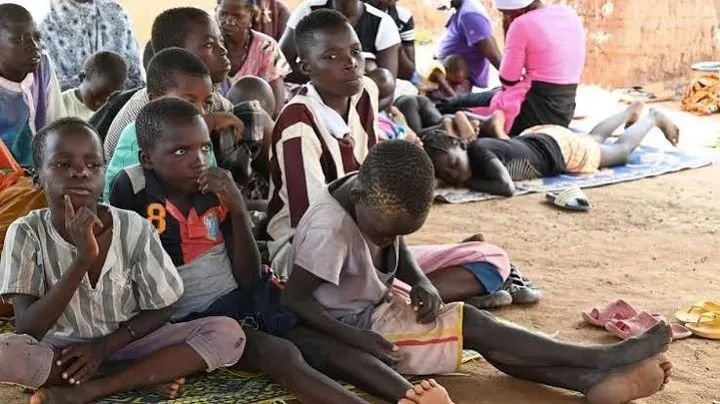
KADUNA, Nigeria — Kaduna State has identified 187,720 out-of-school children, with boys forming the majority, according to data from the state’s Ministry of Education. The figure highlights the scale of the education crisis in the state and underscores the need for targeted interventions to address the underlying causes.
The data, which was collected through a comprehensive enumeration exercise, reveals that poverty is a key factor driving children out of school. Many families in rural and underserved communities are unable to afford the costs associated with education, including uniforms, books, and transportation, forcing their children to drop out or never enroll.
According to the Ministry of Education, the majority of out-of-school children are concentrated in rural areas where access to schools is limited, and economic opportunities are scarce. The state government has acknowledged the urgent need to address the situation and has pledged to implement interventions aimed at bringing these children back into the classroom.
The enumeration exercise is part of a broader effort by the Kaduna State Government to improve education planning and resource allocation. By identifying the number and location of out-of-school children, the government hopes to design targeted programmes that address the specific needs of affected communities.

The data also shows that boys are disproportionately affected, accounting for a significant majority of the out-of-school population. This trend has raised concerns about the gendered dimensions of the education crisis and the need for strategies that address the unique challenges faced by both boys and girls.
The Kaduna State Government has been working with development partners, civil society organisations, and community leaders to address the education crisis. Interventions include the provision of school feeding programmes, conditional cash transfers to families, and the construction of new schools in underserved areas.
The identification of 187,720 out-of-school children is a significant milestone in the state’s efforts to tackle the education crisis. However, the government faces an uphill task in reintegrating these children into the education system. The challenge is compounded by the state’s limited resources and the scale of the problem.
As the state continues to implement its education agenda, the focus will be on ensuring that all children, regardless of gender or background, have access to quality education. For now, the data provides a clearer picture of the challenge and a roadmap for future interventions.




