


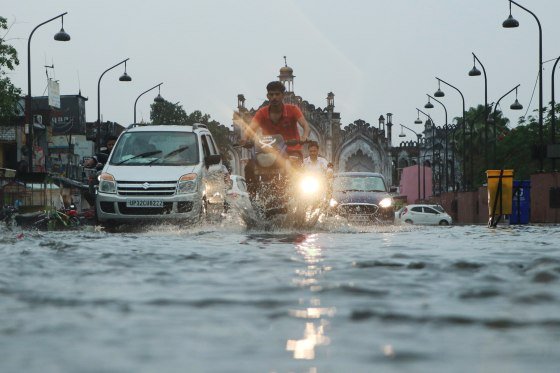
A message circulating widely on social media claims that a “Pan-African Health Initiative Ghana” has confirmed that unusually heavy rainfall and severe cold are expected in July and part of August, while offering several health-related recommendations.
However, there is no publicly verified evidence that such an organization has issued the advisory, and several of the medical claims in the message are not supported by scientific evidence.
Health professionals advise the public to stay warm and take practical precautions during cold or rainy weather, especially young children, older adults, and people with chronic medical conditions. Wearing appropriate clothing, keeping living spaces dry, and maintaining good hygiene can help reduce the risk of respiratory illnesses commonly associated with the rainy season.
Medical experts also note that sleeping under a fan or air conditioner does not directly cause blocked arteries, clogged blood vessels, or cardiac arrest. Likewise, there is no scientific evidence that cold weather “enters the body through the feet” or that cold drinks alone cause serious illness.

Doctors encourage people to eat a balanced diet, stay hydrated, avoid excessive alcohol consumption, and refrain from smoking, as these habits contribute to better overall health throughout the year. Smoking, in particular, is a major risk factor for heart disease, stroke, and several forms of cancer.
Parents are also encouraged to ensure children receive nutritious meals, adequate rest, and prompt medical attention if they develop persistent fever, difficulty breathing, or other concerning symptoms during the rainy season.
Health authorities continue to advise the public to verify health information before sharing it on social media. Relying on guidance from recognized public health agencies and qualified medical professionals helps prevent the spread of misinformation and ensures that communities receive accurate, evidence-based advice.




