


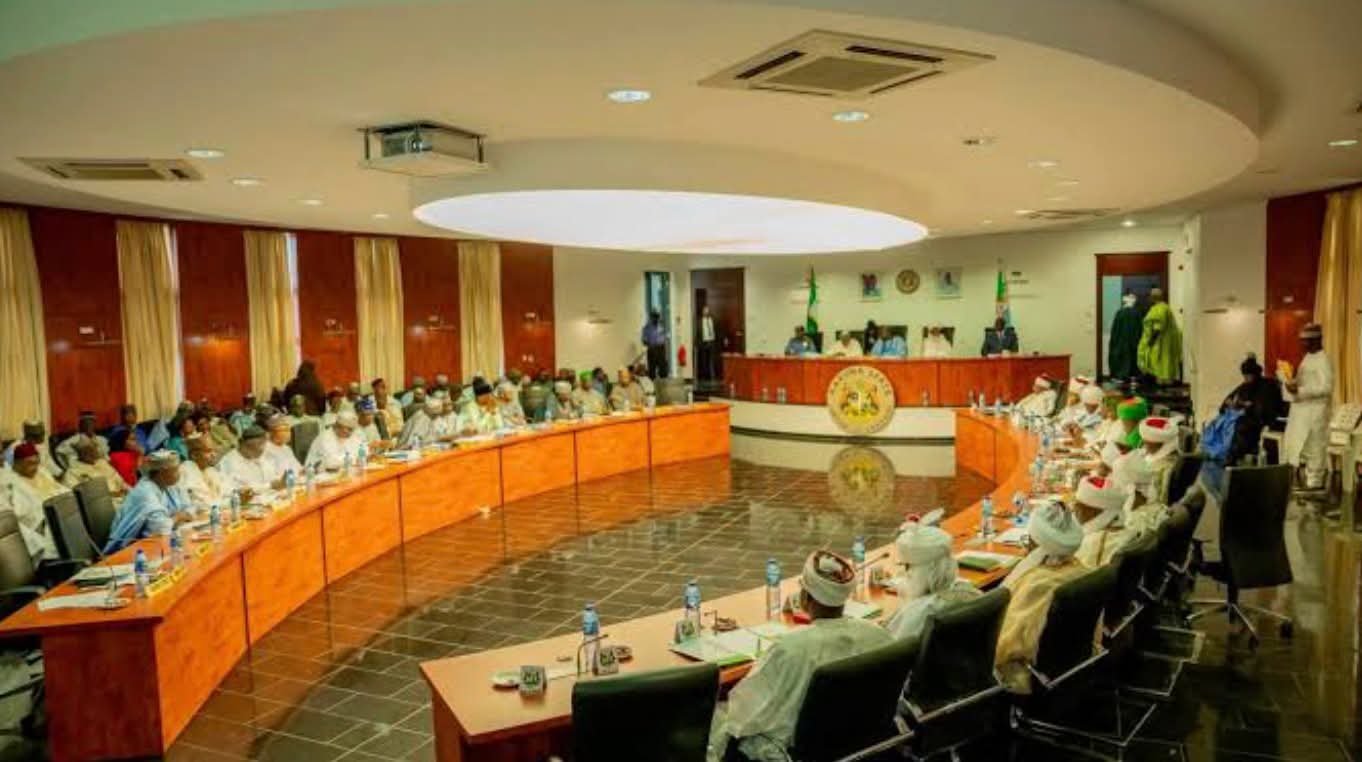
ABUJA, Nigeria — President Bola Tinubu deserves commendation for strategic interventions across transportation, agriculture, healthcare, education, and energy in northern Nigeria, alongside the ongoing national conversation on state policing, political analyst Jonathan Nda-Isaiah has said.
Nda-Isaiah made the observation in a statement on Saturday, noting that Governor Yahaya had commended the President for what he described as strategic interventions in critical sectors in the north. He stressed that whatever one’s politics, a federal government engaging northern governors on structural reform, rather than treating insecurity purely as a policing problem, is a step worth acknowledging.
The analyst noted that the President’s engagement with northern governors on structural reform represents a significant departure from the approach of previous administrations, which often treated insecurity as a purely military or policing challenge. He argued that the shift toward addressing the root causes of insecurity through investments in infrastructure, agriculture, and social services is a welcome development.
According to Nda-Isaiah, the federal government’s focus on transportation, agriculture, healthcare, education, and energy in the north reflects an understanding that lasting peace and stability cannot be achieved without addressing the underlying socio-economic conditions that fuel conflict and instability. He noted that the ongoing national conversation on state policing also represents a critical step toward reforming Nigeria’s security architecture.

However, the analyst also sounded a note of caution, warning that the federal government’s engagement must not become another case of officials showing up for the cameras while the real burden sits with under-resourced state governments. He stressed that genuine progress requires not just federal interventions but also meaningful support for state governments to enable them to address the unique challenges facing their communities.
Nda-Isaiah called on the federal government to ensure that its interventions are sustained and that resources are allocated to areas where they can have the greatest impact. He also urged state governments to complement federal efforts by investing in education, healthcare, and infrastructure, and by working with local communities to address the root causes of insecurity.
The analyst’s comments come amid growing debate over the federal government’s approach to insecurity and development in northern Nigeria. While some have praised the administration’s efforts to engage with state governments on structural reform, others have expressed concern that the interventions may not be sufficient to address the scale of the challenges facing the region.
For now, Nda-Isaiah’s observation has added a new dimension to the conversation, highlighting both the progress made and the work that remains to be done. The message is clear: federal engagement is a positive step, but it must be backed by sustained commitment and resources to deliver lasting results.




