


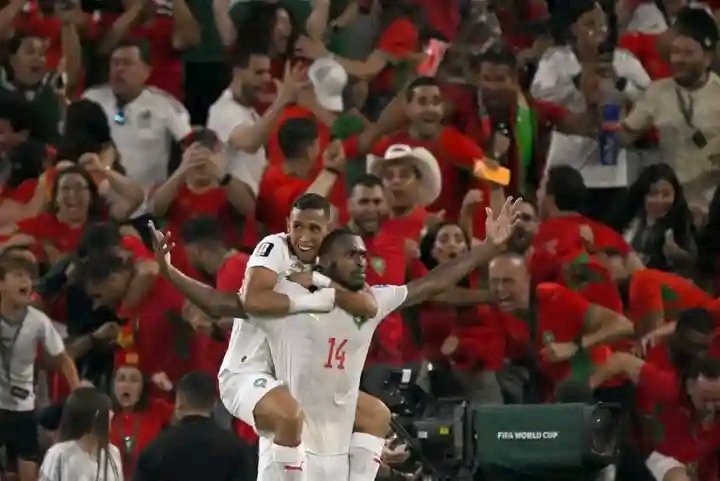
Africa’s impressive performances at the 2026 FIFA World Cup have provided a powerful response to critics who questioned FIFA’s decision to increase the continent’s qualification places. As the tournament has progressed, African nations have demonstrated that they not only belong on football’s biggest stage but are also capable of competing with and defeating many of the world’s traditional powerhouses.
The expansion of the FIFA World Cup from 32 to 48 teams increased Africa’s allocation from five guaranteed places to nine, with an additional intercontinental playoff opportunity. Before the tournament began, some football commentators and former players argued that the increase would weaken the overall quality of the competition. However, the performances of African teams throughout the tournament have told a very different story.
From the group stage to the knockout rounds, African representatives consistently produced disciplined, entertaining and fearless football. Their achievements have highlighted the remarkable progress made across the continent in player development, coaching, youth academies and tactical preparation over the past decade.

One of the biggest talking points has been the number of African teams advancing beyond the group stage. Several nations produced memorable performances against highly ranked opponents, proving that the gap between African football and the traditional giants of Europe and South America continues to narrow.
Morocco once again demonstrated why it has become one of the strongest football nations in Africa. Building on its historic run to the semi finals of the 2022 FIFA World Cup in Qatar, the Atlas Lions displayed tactical discipline, defensive organization and attacking quality throughout the competition. Their performances reinforced the belief that African teams are now capable of consistently challenging for football’s biggest honours.
South Africa also emerged as one of the tournament’s surprise packages. Bafana Bafana impressed supporters with their resilience, technical quality and collective spirit, progressing beyond the group stage and earning widespread praise before eventually bowing out in the knockout rounds. Their campaign reflected years of investment in player development and national team rebuilding.
Egypt, Senegal and other African representatives also showed flashes of brilliance despite facing some of the world’s strongest opponents. Collectively, Africa’s teams displayed confidence, athleticism and tactical maturity that challenged long held stereotypes about football on the continent.
The success of African teams has reignited discussions about global football competitiveness. Rather than lowering standards, the expanded tournament has introduced greater diversity and produced more competitive matches. Fans around the world have enjoyed dramatic contests featuring emerging football nations capable of upsetting established powers.
Many football analysts believe the improvement is no accident. European clubs continue to recruit talented African players at increasingly younger ages, providing them with elite coaching, sports science and high level competitive experience. At the same time, domestic football structures across several African countries have steadily improved, creating stronger pathways for young talent to reach professional football.
Youth development programmes have also played a major role in Africa’s rise. National federations have invested heavily in grassroots football, coaching education and modern training facilities. As a result, a new generation of technically gifted and tactically intelligent players has emerged across the continent.
The tournament has also showcased Africa’s remarkable depth of talent. Rather than relying solely on individual brilliance, many teams have demonstrated excellent organization, teamwork and tactical flexibility. Modern African football now combines physical strength with technical quality, disciplined defending and creative attacking play.
Several former players have argued that Africa’s success should permanently end debates about whether the continent deserves increased World Cup representation. They believe the performances witnessed throughout the competition justify FIFA’s decision to expand qualification opportunities and provide more African nations with the chance to compete on the global stage.
Beyond the results themselves, Africa’s strong showing has inspired millions of young footballers across the continent. Seeing their national teams compete confidently against traditional football giants reinforces the belief that success at the highest level is achievable through hard work, proper development and long term investment.
The expanded World Cup has also created greater commercial opportunities for African football. Increased international exposure attracts sponsorship, investment and improved infrastructure, all of which contribute to the long term growth of the sport across the continent.
For FIFA, the tournament has demonstrated that expansion can strengthen rather than dilute the quality of international football. New stories, fresh rivalries and unexpected results have made the competition more unpredictable and entertaining, attracting global audiences eager to witness emerging football nations challenge established powers.
As the tournament approaches its conclusion, Africa’s representatives leave with renewed respect from supporters, analysts and opponents alike. Their achievements have not only enhanced the reputation of African football but have also validated FIFA’s decision to award the continent additional qualification places.
The message from the 2026 FIFA World Cup is increasingly clear. African football has evolved into a genuine global force capable of producing world class players, elite teams and memorable performances on the biggest stage. The continent’s success is no longer a surprise but the result of sustained investment, improved development structures and an unwavering passion for the game.
With a talented new generation continuing to emerge, many observers believe Africa’s greatest achievements at the FIFA World Cup may still lie ahead.




