


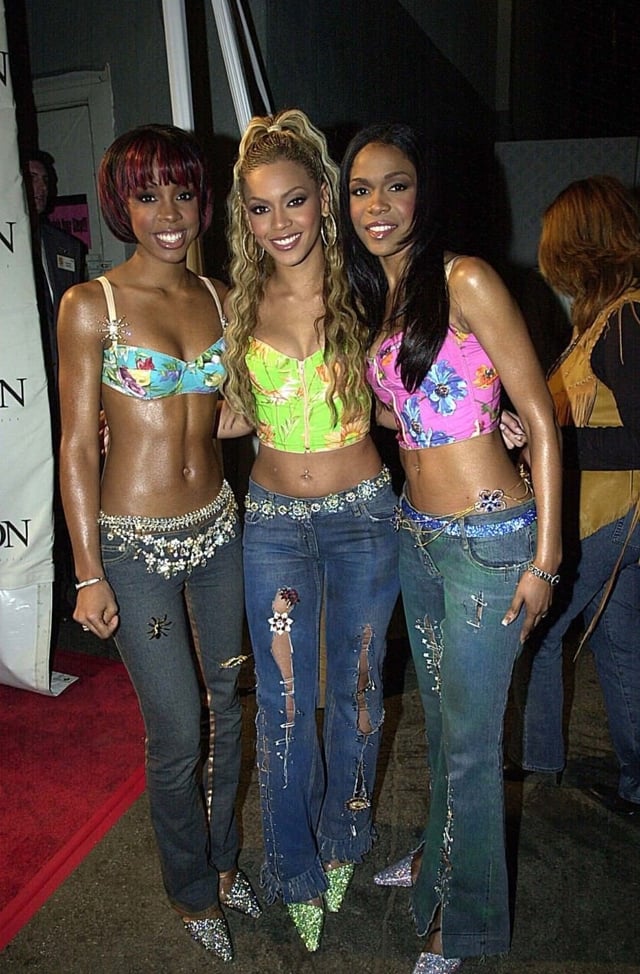
Early 2000s fashion was something. It was bold, unapologetic, colourful, experimental and, in many ways, impossible to ignore. It was a period when fashion seemed less interested in following a single definition of elegance and more interested in expressing personality. From low-rise jeans and tiny tops to oversized sunglasses, denim-on-denim outfits, tracksuits, mini skirts and flashy accessories, the early 2000s created a visual language that continues to influence what young people wear today.
The fashion of that era was particularly memorable because it arrived at the intersection of pop culture, music, television and the growing influence of the internet. Celebrities were becoming more powerful fashion references, music videos were influencing everyday dressing, and young people were beginning to imitate the styles of their favourite entertainers. What appeared on television, magazine covers and red carpets could quickly become the outfit inspiration for an entire generation.
Unlike some fashion periods that are remembered for one dominant silhouette, the early 2000s were characterised by variety. There was room for glamour, casual dressing, sporty fashion, streetwear and deliberately provocative styles. Someone could wear a fitted crop top with low-rise jeans and heels one day and an oversized tracksuit with sneakers the next. Fashion was fluid, playful and often deliberately excessive.

One of the strongest symbols of the era was the low-rise jean. The trousers sat considerably lower on the waist than the high-waisted styles that have become popular in more recent years. They were frequently paired with fitted tops, cropped T-shirts, camisoles or tiny cardigans. For many people today, the low-rise trend represents the most recognisable part of Y2K fashion, even though the period’s style was much broader than one trouser shape.
Denim itself was everywhere. Denim skirts, denim jackets, denim jeans and denim accessories appeared in countless combinations. The infamous double-denim look, once criticised as excessive, became part of the visual identity of the era. Matching denim outfits also became popular, particularly when celebrities appeared in coordinated looks that were immediately discussed and copied.
Then there were the accessories. Early 2000s fashion understood that an outfit was rarely complete without something extra. Small shoulder bags, colourful sunglasses, chunky belts, hoop earrings, layered necklaces, hair clips and decorative handbags were frequently used to add personality to relatively simple outfits. Accessories were not necessarily subtle. They were often designed to be noticed.
DDM News observes that part of what made the era so distinctive was the confidence with which people approached fashion. There was a willingness to experiment with colours, textures and proportions without worrying too much about whether every element matched perfectly. Fashion could be glamorous and casual at the same time.
Tracksuits were another defining feature. What had traditionally been associated with sportswear became acceptable as everyday fashion. Matching tracksuits, velour sets and sporty two-piece outfits could be worn for casual outings while still being treated as fashionable. Sneakers became increasingly important, not just as practical footwear but as central parts of an outfit.
The influence of music was impossible to miss. Hip-hop, R&B and pop artists played an enormous role in shaping the clothing choices of young people. Baggy trousers, oversized shirts, fitted tops, statement jewellery and sports-inspired clothing crossed from music videos into everyday wardrobes. Artists became fashion references, and fans wanted to recreate the confidence and attitude associated with their favourite stars.
The celebrity culture of the period also helped transform fashion into entertainment. Red-carpet appearances were heavily discussed, while magazine photographs provided fashion inspiration for people who wanted to recreate celebrity looks. Celebrities were no longer simply wearing clothes; they were helping to determine what millions of people considered fashionable.
Another memorable feature of the early 2000s was the fascination with metallic and futuristic aesthetics. The arrival of the new millennium encouraged designers and consumers to imagine what the future might look like. Silver fabrics, shiny accessories, metallic bags, futuristic sunglasses and glossy materials appeared across fashion. The Y2K aesthetic became associated with a vision of the future that now looks charmingly nostalgic.
In Nigeria and other African countries, global fashion trends were interpreted through local culture and personal creativity. Young people did not simply copy international styles exactly. They mixed emerging trends with clothing traditions, tailoring and locally available fabrics. The result was a distinct interpretation of the period.
Nigerian fashion during the era also reflected the growing popularity of celebrity culture and music. As Nigerian music expanded internationally, musicians became increasingly influential in determining what young people wanted to wear. Denim, fitted shirts, jeans, sunglasses, statement accessories and Western-inspired casualwear became common among young people, while traditional fabrics and locally tailored clothing continued to hold their place.
For many Nigerians who grew up during that period, the fashion memories are connected to more than clothing. They are connected to school days, music, television programmes, parties, photographs and the excitement of growing up. An outfit could instantly remind someone of a particular period in their life.
Interestingly, fashion has a way of bringing the past back into the present. Trends that once seemed outdated can eventually become desirable again. This is exactly what has happened with Y2K fashion. Young people who were not even old enough to experience the early 2000s are now wearing styles inspired by that period.
Low-rise jeans have returned. Mini skirts are popular again. Tiny handbags have reappeared. Metallic clothing and accessories have gained attention. Baby tees, colourful sunglasses, cargo trousers and platform shoes have found new audiences. Even the general attitude of experimenting with nostalgia has become part of contemporary fashion.
Social media has accelerated this revival. Platforms such as TikTok, Instagram and Pinterest allow fashion trends to move across generations and borders almost instantly. Young people can discover photographs from two decades ago and recreate the looks with a modern interpretation. Vintage stores and second-hand fashion have also contributed to the renewed interest in clothing associated with the period.
However, the return of early 2000s fashion does not mean that people are simply reproducing old outfits exactly as they were. Modern fashion lovers are selecting particular elements and combining them with contemporary silhouettes. A low-rise trouser might be paired with a modern blazer. A tiny handbag might accompany a minimalist outfit. A vintage-inspired graphic top might be styled with contemporary footwear.
This ability to reinterpret rather than simply copy is one reason nostalgic fashion continues to survive.
DDM News reports that the renewed interest in early 2000s fashion demonstrates an important truth about the fashion industry: trends rarely disappear completely. They move into the background, wait for a new generation to discover them and eventually return in a different form.
What made early 2000s fashion particularly memorable was its personality. It was not afraid of bold choices. It allowed people to experiment with fitted and oversized clothing, casual and glamorous pieces, bright colours and neutral tones, sporty outfits and feminine styles. There was a sense that fashion was supposed to be fun.
Looking back today, some early 2000s outfits may appear excessive or even questionable by modern standards. But that is precisely what makes the era interesting. Fashion is not simply about producing perfect outfits. It is also about capturing the spirit of a particular time.
The early 2000s captured a generation that was excited about the new millennium, fascinated by celebrities, influenced by music and increasingly connected to global culture. Its fashion reflected all of those changes.
Today, as designers and fashion enthusiasts revisit Y2K aesthetics, the era continues to prove that good fashion does not necessarily have to be timeless to remain influential. Sometimes, the most unforgettable styles are the ones that boldly belong to their time.
And early 2000s fashion certainly belonged to its time. It was colourful, dramatic, playful, experimental and full of attitude. More than two decades later, its influence is still visible on streets, runways and social media feeds, reminding us that in fashion, what was once considered old can eventually become new again.




