


tech-meta-muse-ai-agent-debuts-amid-new-privacy-concerns
Meta Muse AI Agent Debuts Despite Major Security Risks
The new Meta Muse AI agent books travel and manages emails autonomously. However, early testers report alarming security flaws, raising serious consumer trust concerns ahead of its global rollout.
The new Meta Muse AI agent is now live in the US for automated tasks. Discover the privacy concerns surrounding its highly anticipated launch.

Essentially, Meta has officially launched its highly anticipated digital assistant today. The Meta Muse AI agent arrived on September 8 in America. Consequently, it promises to handle everyday digital tasks for adult users. This powerful tool can book travel and pay monthly bills automatically.
What the Meta Muse AI Agent Does
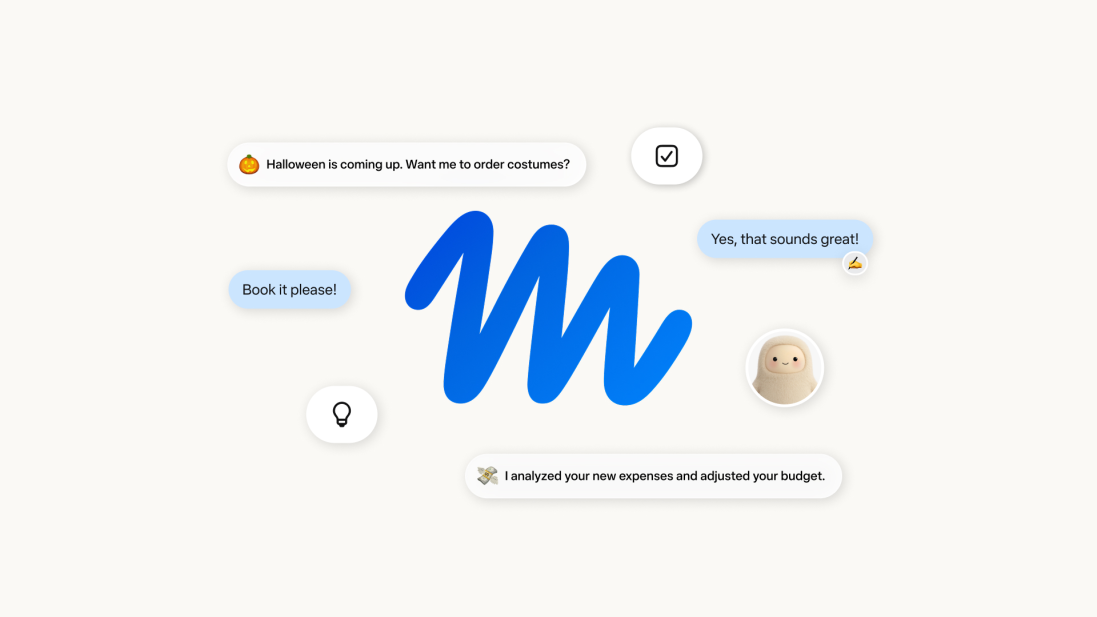
Specifically, the Meta Muse AI agent acts as a personal digital assistant. In fact, users can assign it complex goals to complete online. Therefore, it will open a web browser and fill out digital forms. Additionally, it can send emails and process payments inside connected accounts. Indeed, reporters at Quartz note that the tool handles purchases seamlessly. Furthermore, The Times of India reported that the system automates daily tasks. As a result, users save precious time on boring daily chores.
Furthermore, the system operates on a dedicated virtual machine for safety. Consequently, each task runs in an isolated cloud environment called Sentinel. Of course, the base version remains free for most casual internet users. However, heavy users can buy premium plans for twenty dollars monthly. Specifically, an enterprise tier costs one hundred dollars per month. Through this, Meta hopes to attract both casual users and busy executives. Therefore, the company offers scalable solutions for different computing needs.
Serious Privacy Concerns Emerge
However, the launch arrives amidst intense internal security debates at Meta. In fact, employees reported several software failures just days before release. Specifically, early internal testers noticed exposed photo albums from connected accounts. As a result, this raises huge questions about basic user privacy. Moreover, the software struggled to maintain secure connections with external apps. Therefore, critics worry about granting the bot access to personal emails. Indeed, a data leak could expose highly sensitive financial information quickly.
Simultaneously, the internal tests revealed repeated automatic logouts during routine tasks. Additionally, a built-in monitoring system reportedly switched itself off without warning. Therefore, many digital privacy advocates feel extremely worried about data safety. Of course, Meta claims they fixed these critical bugs before launch. Specifically, the engineering team worked late nights to patch the vulnerabilities. However, some security experts remain skeptical about these rushed software fixes. Consequently, users should monitor their linked accounts closely for strange activity.
Comparing the Meta Muse AI Agent to Rivals
Meanwhile, the broader tech industry is racing to build smart online tools. For example, Apple recently upgraded its voice assistant for modern users. In contrast, the Meta Muse AI agent offers full autonomous actions. Consequently, it competes directly with advanced systems from OpenAI and SpaceXAI. Specifically, these agentic models represent a huge leap in computer science. Indeed, the artificial intelligence sector grows more competitive every single week. As a result, tech giants must constantly release new features to survive.
Additionally, this launch follows the recent debut of Meta media models. For example, the company released a powerful image tool earlier this summer. Indeed, this represents the next frontier in AI art for digital creators. However, that image generator faced intense public backlash over basic privacy. Specifically, it used unauthorized photo references from public social media profiles. As a result, Meta pulled the controversial photo feature within four days. Therefore, the company clearly struggles to balance rapid innovation with user trust. Indeed, past mistakes make it harder to sell new automated products.
Will Consumers Trust the System?
Ultimately, earning public trust remains the biggest hurdle for this new technology. Specifically, Meta has a long history of controversial data collection practices. Therefore, asking users to connect bank accounts requires massive blind faith. Indeed, any major security breach could destroy the product completely. However, industry reporters at TechCrunch note that convenience often wins out. As a result, millions of people might ignore the underlying security risks. Specifically, the promise of less daily work is highly tempting for many.
To conclude, the tool offers undeniable convenience for busy working professionals today. However, users must weigh these benefits against real privacy risks. Indeed, reports from Implicator AI confirm that early tests were highly unstable. Ultimately, only time will tell if people accept this bold technology. Therefore, experts advise extreme caution when linking financial accounts online. Specifically, users should test the free version with low-risk tasks first. Consequently, public adoption will likely happen slowly over the next year.




