


tech-bmw-gas-electric-price-gap
BMW Cuts EV Price Tag Below Gas Model With New Tech
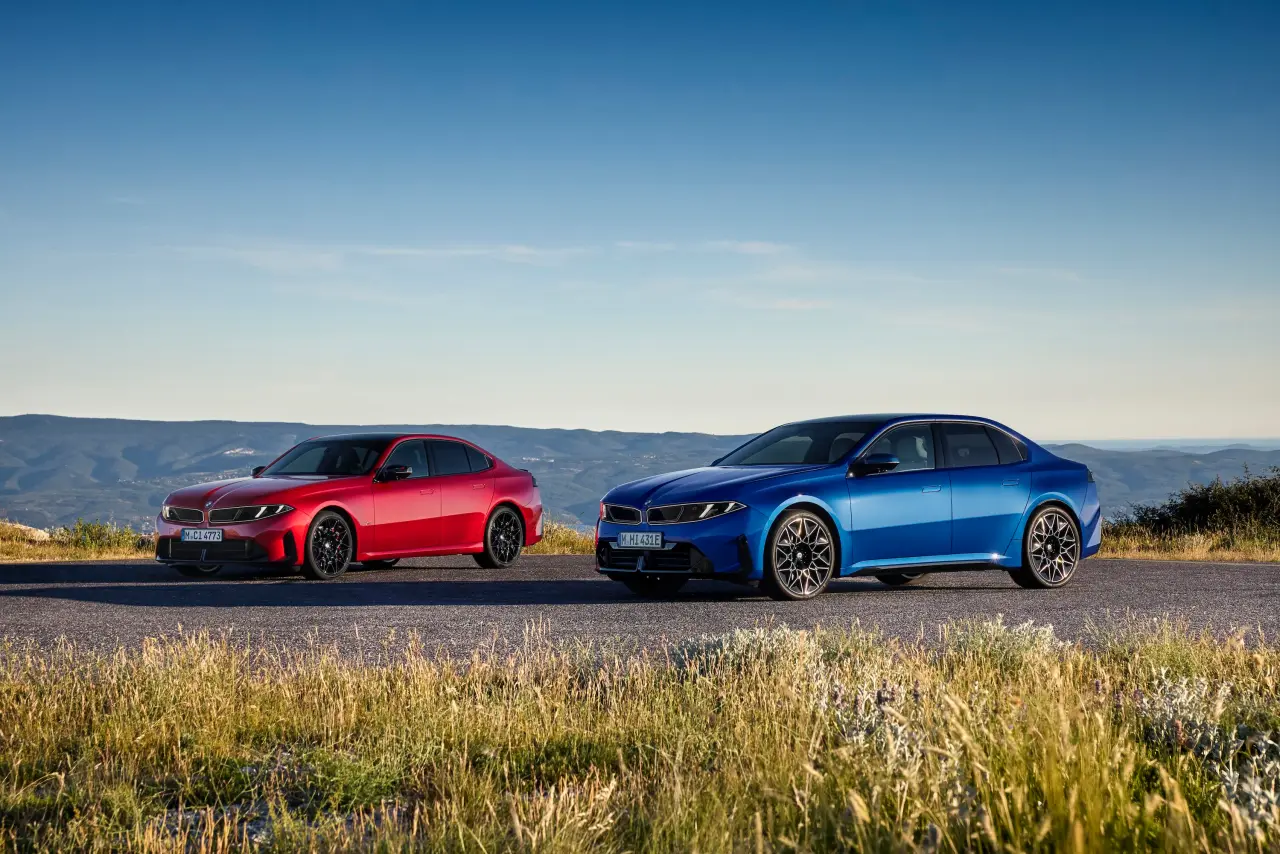
The 2027 BMW electric 3 Series debuts at $61,500, undercutting its $65,900 gas twin by $4,400 while offering 468 miles of range and rapid charging.
BMW disrupted tech expectations by pricing its new electric 3 Series at $61,500, making it $4,400 cheaper than the petrol model.
Essentially, BMW shocked car buyers with its latest lineup. The German carmaker launched twin gas and battery versions. Consequently, the electric sedan costs far less than petrol. This pricing move represents a milestone for auto tech.

A Breakthrough In Electric Car Pricing Tech
Consequently, BMW set the base sticker of the 2027 all-electric 3 Series at $61,500. In contrast, the petrol-driven BMW M350 xDrive starts higher at $65,900. This pricing structure creates an immediate $4,400 savings for electric buyers. Therefore, early customers avoid paying any upfront premium for battery propulsion. Automotive analysts long predicted this exact turning point in consumer market trends. For years, battery costs kept electric alternatives well above traditional fossil models. According to reports from Reuters, falling battery expenses are finally shifting manufacturing margins. Indeed, smart platform engineering helped BMW trim vehicle production costs significantly.
Furthermore, modern car shoppers often weighed high purchase stickers against fuel cuts. Buyers frequently worried whether electric savings would ever offset steep initial showroom invoices. Consequently, the new pricing plan eliminates that painful hesitation entirely. Drivers now secure financial gains on day one of purchase. Meanwhile, related shifts in computing are accelerating modern hardware efficiency. Readers can track these rapid system developments in Rogue AI Agents Are Cracking CAPTCHAs Just Like Hackers Do on Diaspora Digital Media. Through this, smart engineering continues to lower costs across modern digital markets.
Matching Gas Range With Advanced Battery Tech
Additionally, the electric sedan matches the operational stamina of its combustion sibling. The electric vehicle delivers an estimated 468 miles per full charge. In contrast, the petrol model achieves roughly 450 miles per tank. Therefore, drivers no longer sacrifice overall road trip range when switching fuels. Industry benchmarks tracked by TechCrunch emphasize the importance of this range milestone. BMW also engineered dedicated high-voltage battery modules into the car chassis. As a result, owners enjoy spacious interior volume and agile vehicle balance. The sleek aerodynamics help stretch highway efficiency without draining excessive pack energy.
Simultaneously, the car maker addressed long charging delays at public travel plazas. The high-speed charging system restores 208 miles of range in ten minutes. Specifically, new cell chemistries absorb dense power currents without overheating the pack. Therefore, rapid travel stops match the time spent at petrol pumps. Auto researchers at Bloomberg note that fast charging speeds boost global buyer adoption. Consequently, range anxiety becomes a relic of early electric vehicle generations. Modern motorists gain extreme performance while paying less money at the dealership.
Shifting Economics Across The Modern Auto Tech Industry
Specifically, legacy automakers previously charged heavy premiums for electric technology conversions. Batteries accounted for an outsized portion of total factory manufacturing budgets. However, refined assembly lines and cheaper lithium cells turned the financial tide. BMW achieved this cost advantage by designing flexible modular vehicle frames. Both versions share common chassis architecture, cabin components, and suspension setups. In fact, standardized parts production drives down supplier costs across global factories. Consequently, economies of scale allow the electric twin to beat petrol prices.
Furthermore, lower operating maintenance sharpens the economic case for electric adoption. Battery drivetrains eliminate oil changes, spark plugs, timing belts, and exhaust repairs. Consequently, long-term maintenance bills drop steeply compared to combustion machinery. Fleet managers and personal buyers capture massive savings across several driving seasons. Therefore, rival auto brands must match these lower price points to survive. The race toward affordable zero-emission personal transport is now moving at full speed.
Ultimately, BMW proved that electric vehicles can cost less than internal combustion machinery. The bold $4,400 price gap destroys standard market assumptions across the industry. Therefore, competitive automakers must adapt quickly or risk losing premium market share. Modern vehicle technology is finally making clean travel accessible and genuinely affordable.




