


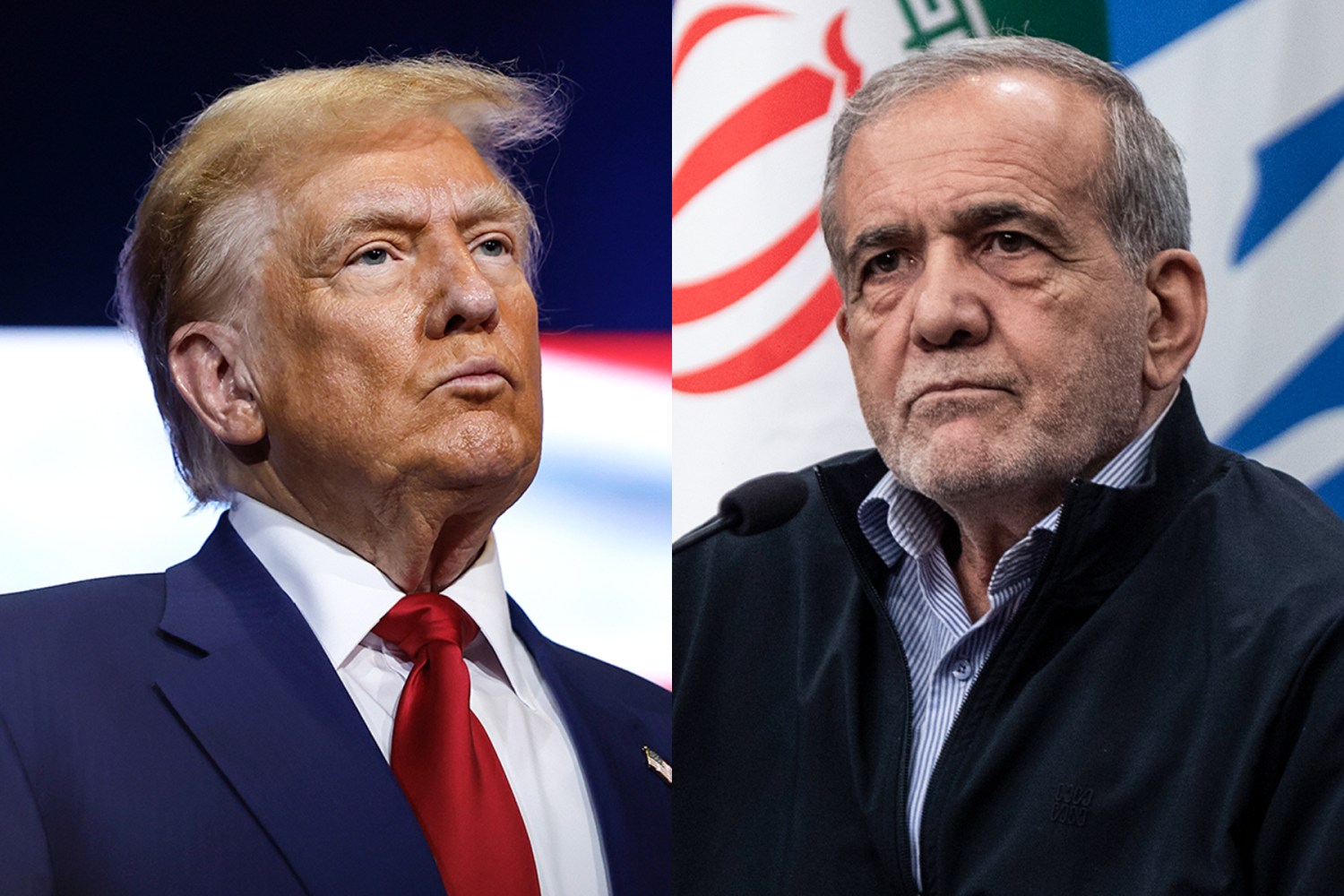
The United States and Iran remain locked in a dangerous standoff, with no clear path towards a lasting settlement.
Since the conflict began in February, DDM has continued to report on the fighting, its regional consequences and the growing pressure on both countries.
President Donald Trump now faces a difficult decision: escalate military operations to force Iran into concessions or pursue diplomacy to prevent a wider regional war.
What military options does Trump have?

One option is to increase naval pressure on Iran.
The United States could strengthen its presence in the region and restrict Iran’s ability to export oil or move supplies by sea.
Such measures could put pressure on Tehran’s economy, but they could also disrupt international shipping and push global energy prices higher.
Another possibility is renewed air and missile strikes against Iranian military facilities, weapons systems and other strategic targets.
Washington could use this approach to weaken Iran’s military capabilities without committing large numbers of American troops to a ground operation.
However, further attacks could trigger retaliation against US forces and allies in the Middle East, increasing the risk of a prolonged conflict.
A more dangerous option would be a limited ground operation targeting strategically important locations, including Kharg Island, a major hub for Iran’s oil exports.
Seizing or damaging the island could threaten a key source of Iranian revenue. But such an operation would expose American troops to direct attacks and could provoke a wider response from Tehran.
A full-scale invasion would be far more complicated. Iran’s size, military capabilities and geography would make a major ground campaign costly and difficult to sustain. It could also draw the United States into a prolonged war with uncertain results.
What is at stake for Trump?
Domestic politics may influence Trump’s calculations. With political pressure mounting, the president may want to demonstrate that the United States has achieved its objectives and secured a favourable outcome.
Yet an escalation that produces heavy American casualties, rising fuel prices or a prolonged military commitment could create further problems for his administration.
The economic consequences would also extend beyond the United States. Any serious disruption to oil supplies or shipping routes could raise energy costs worldwide, placing additional pressure on countries already struggling with economic challenges.
For Nigeria, higher global oil prices could increase government revenue, but they may also raise domestic fuel and transportation costs.
The wider impact would depend on market conditions, exchange rates and government policy.
Can diplomacy prevent further escalation?
Diplomacy remains an alternative, although negotiations would require both sides to make difficult decisions. Washington would need to define what concessions it expects from Tehran, while Iran would seek assurances about its security and the future of sanctions.
Military pressure might bring Iran to the negotiating table, but it could equally harden its position. The outcome would depend on whether both governments see a negotiated agreement as preferable to continued confrontation.
DDM’s assessment
Trump’s options carry significant risks, and none guarantees a decisive victory. Naval pressure could damage Iran’s economy, air strikes could weaken its military, and a ground operation could threaten important strategic assets.
However, each approach could also trigger retaliation and widen the conflict.
A full invasion carries the greatest potential for a prolonged, costly war.
For now, the central question is not simply how much military force Washington can deploy, but whether additional force would deliver a sustainable political outcome.
DDM’s assessment is that a lasting settlement will require more than battlefield gains. Without a clear diplomatic objective, further escalation could deepen the crisis, threaten regional stability and impose greater costs on the global economy.




