



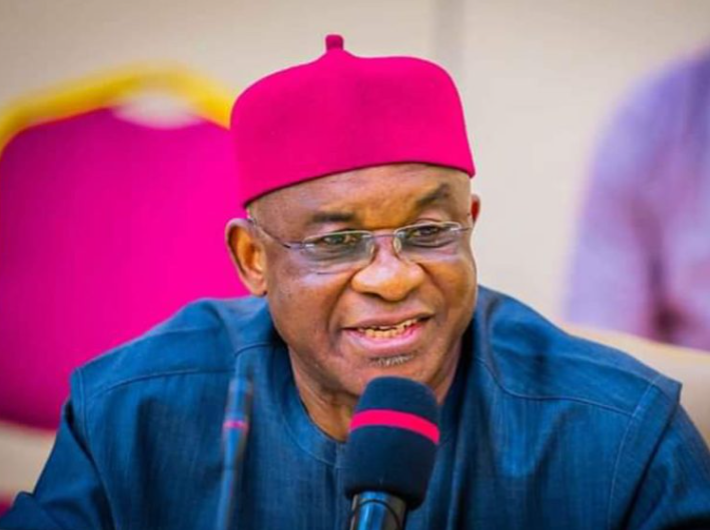
The National Chairman of the African Democratic Congress, Senator David Mark, has acknowledged the political significance of the recent withdrawal of former Labour Party presidential candidate Peter Obi and former Kano State governor Rabiu Musa Kwankwaso from the party, describing the development as one that carries weight within Nigeria’s evolving opposition landscape. He noted that while the exit of such prominent figures naturally draws attention, it does not define the future direction or stability of the party.
Speaking during a meeting with members of the Forum of former federal lawmakers under the ADC at the party’s national secretariat in Abuja, Mark explained that political movements and realignments are part of democratic practice. He stated that parties often experience periods of loss and gain but what matters most is how leadership responds to such changes. He stressed that ADC remains committed to strengthening its internal structures and expanding its influence across the country despite recent setbacks.

Mark further observed that the departure of Obi and Kwankwaso, both of whom command strong regional and national followings, had an impact on the party’s visibility and early mobilisation efforts. However, he insisted that the development should not be interpreted as a weakening of the party’s foundation. Instead, he described it as a moment for reflection and renewed commitment among remaining members to build a more resilient political platform capable of competing effectively in future elections.
According to him, political parties are strengthened not only by the presence of influential individuals but by the collective dedication of their members. He maintained that ADC would continue to prioritise grassroots mobilisation, internal cohesion and credible leadership recruitment as part of its long term strategy. He added that the party is working to ensure that it presents candidates who can earn the trust of Nigerians across different regions and demographic groups.
The former Senate President also emphasised the importance of unity within the party structure, warning against internal divisions and personal ambitions that could derail collective progress. He urged party stakeholders to remain focused on shared objectives rather than individual political interests. He noted that sustained unity and discipline would be critical in positioning the ADC as a strong alternative in Nigeria’s competitive political environment.
Mark’s remarks come at a time when Nigeria’s opposition politics is witnessing renewed realignments as political actors reassess their alliances ahead of the 2027 general elections. Observers say the movement of key figures between parties reflects ongoing efforts to consolidate political strength and regional influence. The ADC, like several other parties, is seeking to expand its national reach and redefine its relevance in a rapidly shifting political landscape.
In recent months, Nigeria’s opposition political environment has continued to experience significant shifts as leading figures and coalitions explore new alignments ahead of the next general election cycle. The African Democratic Congress has been one of the parties seeking to reposition itself as a credible national alternative by attracting support from diverse political and regional interests. The exit of high profile politicians such as Peter Obi and Rabiu Kwankwaso has therefore been widely discussed within political circles as a factor that could influence mobilisation strength and public perception of smaller parties.
Party officials however maintain that such developments provide an opportunity to reassess internal organisation and strengthen party ideology rather than serve as a setback. They argue that political longevity is built on consistent structure, grassroots engagement and clear policy direction which they say the ADC is currently working to enhance through consultations and stakeholder engagements across different parts of the country. The party is also expected to intensify efforts to rebuild confidence among its support base.
The Senator reiterated that the party remains focused on its long term goal of building a strong political institution capable of competing effectively at all levels of government. He noted that while political realignments are inevitable the true measure of any party lies in its ability to remain consistent responsive and people oriented over time. He expressed optimism that with renewed commitment among members and strengthened organisational structures the ADC can emerge more cohesive and better positioned to play a significant role in Nigeria’s future political development. He urged sustained discipline and focus among members going forward at all times collectively.




