


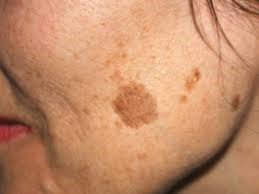
Age spots small, darkened patches that commonly appear on sun-exposed skin are one of the most frequent cosmetic skin concerns in adults, particularly those over 55. While often mistaken for a sudden change, dermatologists say these marks typically develop gradually over years of cumulative sun exposure.
What age spots are
Age spots, also known as solar lentigines, are flat areas of increased pigmentation that range in color from light brown to dark gray or black. They can vary in size from a few millimeters to several centimeters and most often appear on the face, hands, shoulders, arms, and back.
Although they are sometimes grouped with other age-related skin changes such as seborrheic keratoses, age spots themselves are noncancerous and fall under the category of hyperpigmentation. Experts note that they can affect all skin tones, though visibility may vary depending on complexion.
Why they form
Dermatologists explain that age spots develop as a result of repeated exposure to ultraviolet (UV) radiation. When skin is exposed to sunlight, it produces melanin, the pigment responsible for skin color. Over time, this pigment can accumulate in localized areas, creating visible dark patches.

Genetics may also influence susceptibility, but prolonged and unprotected sun exposure remains the primary factor. While age spots are harmless, they do not fade naturally once formed.
Prevention strategies
Experts emphasize that prevention is most effective when practiced consistently, though protective habits can be beneficial at any age.
Daily use of a broad-spectrum sunscreen with high SPF is considered the most important preventive measure. Dermatologists also recommend wearing protective clothing such as long sleeves and wide-brimmed hats during extended sun exposure.
Additional lifestyle habits such as maintaining skin hydration, eating a balanced diet, and limiting alcohol intake may support overall skin health.
However, specialists caution against over-exfoliation. Excessive scrubbing can irritate the skin and worsen existing conditions. Picking or attempting to remove spots manually is also discouraged due to the risk of infection and skin damage.
Medical treatment options
For individuals seeking faster or more visible improvement, dermatologists offer several in-office procedures depending on skin type and severity.
Common treatments include cryotherapy, which uses freezing techniques to remove pigmented cells; microdermabrasion, which exfoliates the outer skin layer; chemical peels that encourage new skin regeneration; and laser-based therapies that target pigment directly.
Some studies suggest that repeated sessions of certain treatments, such as chemical peels or microdermabrasion, can significantly reduce the appearance of age spots over time.
Experts advise that individuals with darker skin tones consult a dermatologist before undergoing lightening procedures, as some treatments may carry a higher risk of uneven pigmentation.
At-home treatment options
Topical treatments are widely used for gradual improvement, though dermatologists stress that results typically take weeks or months of consistent use.
Common ingredients include hydroquinone, which reduces pigment production but requires careful medical supervision due to potential side effects with long-term use. Retinoids, including over-the-counter retinol, promote skin cell turnover and may improve tone and texture when used regularly alongside sunscreen.
Mild exfoliating agents such as lactic acid are also used in facial cleansers to gently brighten the skin over time.
Dermatologist-recommended skincare products
Several over-the-counter products are commonly recommended by skin specialists for managing discoloration:
- Murad Rapid Dark Spot Correcting Serum targets pigmentation with exfoliating acids
- SkinCeuticals Discoloration Defense combines multiple active ingredients aimed at reducing uneven tone
- La Roche-Posay Glycolic B5 Dark Spot Corrector designed to brighten skin with chemical exfoliants
- Revision Skincare Intellishade Clear SPF 50 a tinted sunscreen that helps protect against further sun damage while improving appearance
The bottom line
While age spots are harmless, they are a visible sign of cumulative sun exposure over time. Dermatologists emphasize that consistent sun protection remains the most effective way to prevent new spots, while a combination of professional treatments and topical care can help reduce their appearance once they develop.




