


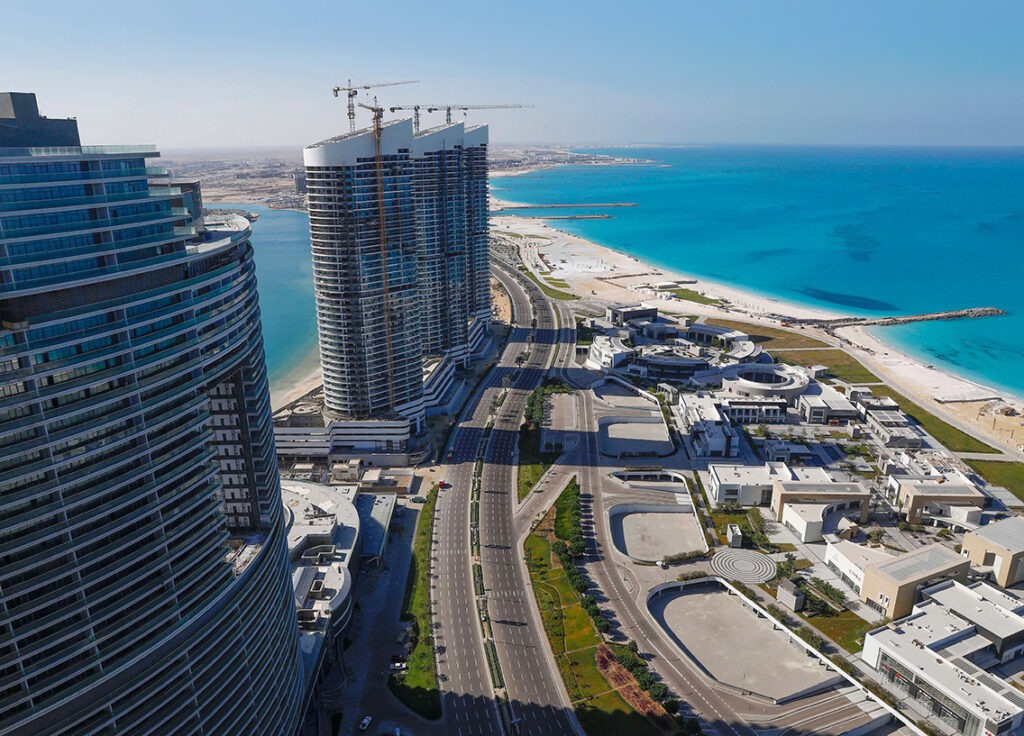
The inaugural Alamein Africa Forum is set to bring together African political leaders, business executives, investors and policymakers in Egypt as the continent seeks stronger cooperation between government and the private sector to accelerate economic growth.
The three-day forum will take place from October 2 to 4, 2026, in the historic city of Alamein on Egypt’s Mediterranean coast, alongside the 2026 African Union mid-year summit.
The event was established following a mandate from the African Union for the creation of a permanent African Business Forum to be held biennially in Egypt. Its first edition is expected to create a platform where governments, financial institutions and businesses can discuss investment, economic development and the implementation of the continent’s long-term priorities.
The forum is designed to bring together Heads of State and government delegations with leading figures from Africa’s private sector and financial community.

Among the African leaders expected to attend are the Presidents of Algeria, Angola, Burundi, Chad, Equatorial Guinea, Ghana, Libya, Senegal, Somalia and South Africa, alongside Egyptian President Abdel Fattah El-Sisi, who will host this year’s African Union mid-year summit.
The participation of senior political leaders is expected to give the forum a strong policy dimension, while the presence of major business executives will provide an opportunity to connect government priorities with private-sector investment.
Business leaders expected at the gathering include Ralph Mupita of MTN, Idrissa Nassa of Coris Bank, Mohamed El Ketani of Attijariwafa Bank, Hichem Eloumi of Groupe Shakira and Wale Tinubu of Oando.
Africa’s leading industrialist, Aliko Dangote, is also expected to participate in the forum.
The organisers are seeking to use the gathering to establish a Business Advisory Council that would provide a structured platform for the private sector to contribute to policy discussions and help advance investment priorities across African economies.
The proposed council could give businesses a stronger role in discussions around the continent’s investment environment, infrastructure development, financing and economic integration.
At the centre of the forum will be the relationship between public policy and private investment.
Africa continues to face significant financing requirements for infrastructure, energy, manufacturing, transportation, technology and other productive sectors. Addressing these needs will require cooperation between governments, financial institutions, development partners and private investors.
The Alamein Africa Forum is therefore being positioned as a platform for aligning policy objectives with investment opportunities.
Rather than treating government and business as separate components of economic development, the forum aims to bring both sides into the same discussions, with the objective of developing partnerships that can move projects from policy commitments to implementation.
The discussions are also expected to focus on financing pathways capable of supporting long-term economic development.
Access to capital remains a critical issue for many African economies, particularly for infrastructure and industrial projects that require substantial upfront investment and extended periods before generating returns.
Mobilising domestic and international capital will therefore be central to discussions about Africa’s future growth.
The forum also comes as African governments continue to pursue the objectives contained in Agenda 2063, the African Union’s long-term framework for transforming the continent’s economies and societies.
A key question for policymakers and businesses will be how effectively private-sector investment can be integrated into the implementation of the continental development strategy.
The private sector already plays a major role in areas including telecommunications, banking, energy, manufacturing, transportation, technology and consumer markets. However, differences in regulations, infrastructure gaps, access to financing and market fragmentation continue to affect the ability of businesses to expand across borders.
Bringing business leaders together with policymakers could create opportunities to address some of these structural challenges.
For investors, the forum could also provide greater visibility into emerging sectors and investment priorities across African economies.
The continent has significant investment requirements in areas such as renewable energy, digital infrastructure, logistics, industrial production and financial services. Developing these sectors will require both capital and policies capable of supporting long-term private investment.
The participation of major financial institutions is particularly relevant because banks and investment firms remain important sources of capital for African businesses and infrastructure projects.
The forum’s organisers are also expected to place emphasis on partnerships rather than discussions alone.
By bringing political leaders and business executives together, the event aims to create opportunities for agreements, investment partnerships and initiatives that can support economic activity across the continent.
The inaugural gathering could consequently establish a new platform for regular engagement between Africa’s political and business communities.
For Egypt, hosting the forum alongside the African Union mid-year summit also strengthens the country’s role as a convening point for continental economic and political discussions.
The Alamein meeting will bring together governments and businesses at a time when African economies are seeking to attract investment, strengthen regional trade and develop more sustainable sources of economic growth.
The presence of established corporations and financial institutions alongside emerging businesses could further broaden discussions around the future structure of Africa’s economy.
Ultimately, the success of the Alamein Africa Forum will depend on how effectively discussions translate into investment commitments, policy coordination and practical partnerships.
As Africa works toward the objectives of Agenda 2063, the forum provides a platform for governments and businesses to examine how capital, entrepreneurship and public policy can work together to support the continent’s long-term development.
The inaugural Alamein Africa Forum is therefore expected to serve as an important meeting point for Africa’s political and business communities, with discussions centred on investment, financing and the practical steps required to turn the continent’s growth ambitions into economic activity.




