


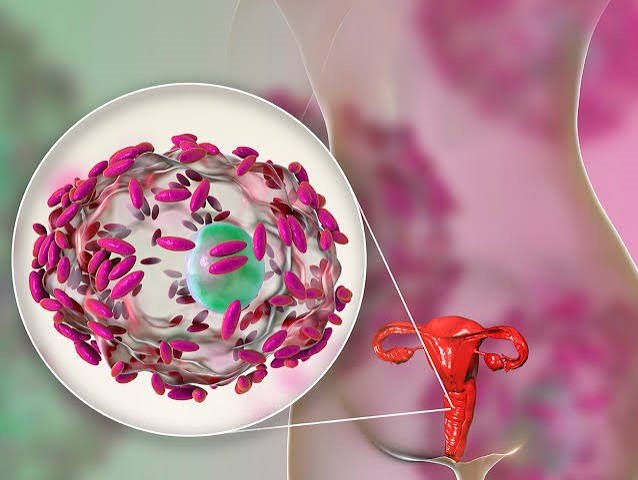
Bacterial vaginosis (BV) is the most common cause of abnormal vaginal discharge in women of reproductive age. It occurs when the natural balance of bacteria in the vagina is disrupted, allowing harmful bacteria to multiply. Although BV is not usually considered a sexually transmitted infection (STI), it is linked to sexual activity and can increase the risk of other reproductive health problems if left untreated.
Health experts recommend seeking medical care if you notice unusual vaginal discharge, a strong odour, or persistent vaginal discomfort.
What Is Bacterial Vaginosis?
The vagina naturally contains a balance of “good” and “bad” bacteria.
Bacterial vaginosis develops when the number of protective bacteria decreases and harmful bacteria grow excessively, upsetting the normal vaginal environment.

Unlike a yeast infection, BV is caused by bacteria—not fungi.
What Causes BV?
The exact cause is not always clear, but factors that increase the risk include:
- Having multiple or new sexual partners.
- Douching (washing inside the vagina).
- Using scented vaginal products.
- Smoking.
- Changes in the natural vaginal bacteria.
Women who have never had sexual intercourse can develop BV, but it is more common among sexually active women.
Common Symptoms
Some women with BV have no symptoms.
When symptoms occur, they may include:
- Thin white, grey, or off-white vaginal discharge.
- A strong fish-like vaginal odour, especially after sexual intercourse.
- Mild vaginal itching.
- Burning sensation during urination.
Unlike a yeast infection, BV usually does not cause thick, cottage cheese-like discharge or intense itching.
Possible Complications
If left untreated, BV may increase the risk of:
- Pelvic inflammatory disease (PID).
- Sexually transmitted infections, including HIV.
- Pregnancy complications such as premature birth.
- Infection after certain gynaecological procedures.
Early treatment can reduce these risks.
How Is BV Diagnosed?
A healthcare provider may recommend:
- A review of your symptoms and medical history.
- A pelvic examination.
- Testing a sample of vaginal discharge.
- Measuring the vaginal pH.
These tests help distinguish BV from yeast infections and sexually transmitted infections.
Treatment
BV is usually treated with prescription antibiotics.
Treatment may include:
Oral Antibiotics
Tablets taken by mouth to eliminate the infection.
Vaginal Antibiotic Gels or Creams
Medication applied directly inside the vagina.
It is important to complete the entire course of treatment, even if symptoms improve before the medication is finished.
Can BV Be Prevented?
Although BV cannot always be prevented, you can reduce your risk by:
- Avoiding douching.
- Using mild, unscented soaps around the genital area.
- Practising safer sex.
- Limiting the number of sexual partners.
- Avoiding scented vaginal sprays and deodorants.
These habits help maintain the vagina’s natural bacterial balance.
When Should You See a Doctor?
Consult a healthcare professional if you:
- Notice unusual vaginal discharge.
- Develop a strong fish-like vaginal odour.
- Experience burning during urination.
- Have symptoms that return after treatment.
- Are pregnant and develop symptoms of BV.
Prompt treatment helps prevent complications.
The Bottom Line
Bacterial vaginosis is a common vaginal infection caused by an imbalance of normal vaginal bacteria. Symptoms such as thin discharge and a fish-like odour should not be ignored, as untreated BV can increase the risk of reproductive health complications. With early diagnosis and appropriate antibiotic treatment, most women recover quickly and completely.
Disclaimer: This article is for informational purposes only and should not replace professional medical advice. Women experiencing abnormal vaginal discharge, odour, or irritation should consult a qualified healthcare professional for proper diagnosis and treatment.




