


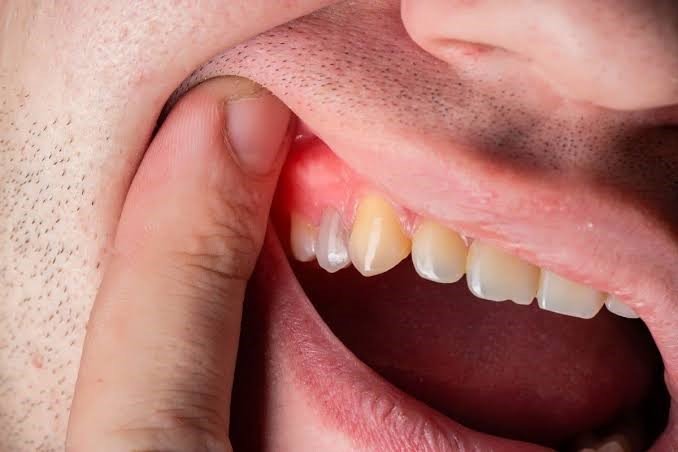
Gum disease, also known as periodontal disease, is increasingly being recognised as more than just an oral health issue. Recent research continues to strengthen the link between gum infections and serious systemic conditions, including heart disease. Dental and medical experts warn that poor gum health may contribute to inflammation in the body, increasing the risk of cardiovascular complications.
Health professionals emphasise that maintaining healthy gums is not only essential for oral hygiene but may also play a role in protecting overall heart health.
What Is Gum Disease?
Gum disease is an infection and inflammation of the tissues that support the teeth. It begins with gingivitis, the mildest form, and can progress to periodontitis if left untreated.
- Gingivitis: Early stage, characterised by red, swollen gums that may bleed easily.
- Periodontitis: Advanced stage, where gums pull away from teeth and bone supporting the teeth is damaged.
Without treatment, gum disease can lead to tooth loss.

How Are Gum Disease and Heart Disease Connected?
Researchers believe the connection between gum disease and heart disease is mainly due to chronic inflammation.
When gums are infected, bacteria can enter the bloodstream and trigger inflammatory responses throughout the body. This may contribute to:
- Hardening of the arteries (atherosclerosis).
- Increased risk of blood clots.
- Higher likelihood of heart attack or stroke.
Although gum disease does not directly cause heart disease, it may increase overall risk, especially in people with other cardiovascular risk factors.
Warning Signs of Gum Disease
Early detection is important. Common symptoms include:
- Bleeding gums during brushing or flossing.
- Swollen, red, or tender gums.
- Persistent bad breath.
- Receding gums.
- Loose teeth.
- Pain when chewing.
Many people ignore early symptoms because they are painless at first.
Who Is at Risk?
You may be more likely to develop gum disease if you:
- Have poor oral hygiene habits.
- Smoke or use tobacco products.
- Have diabetes.
- Experience hormonal changes (pregnancy, menopause).
- Have a family history of gum disease.
- Do not attend regular dental check-ups.
Possible Complications
If untreated, gum disease can lead to:
- Tooth loss.
- Bone damage in the jaw.
- Chronic bad breath.
- Increased risk of systemic inflammation.
- Potential association with heart attack and stroke.
Early treatment can prevent progression and reduce risks.
How Is Gum Disease Diagnosed?
Dentists diagnose gum disease through:
- Examination of gums and teeth.
- Measuring gum pocket depth.
- Dental X-rays to assess bone loss.
- Reviewing symptoms and medical history.
Regular dental visits are essential for early detection.
Treatment Options
Treatment depends on severity:
Professional Cleaning
Removal of plaque and tartar above and below the gum line.
Deep Cleaning (Scaling and Root Planing)
A more intensive cleaning to remove bacteria from deep gum pockets.
Medications
Antibacterial mouth rinses or antibiotics may be prescribed in some cases.
Surgery
Advanced cases may require gum or bone surgery to restore support.
Prevention of Gum Disease
Good oral hygiene is key:
- Brush twice daily with fluoride toothpaste.
- Floss daily.
- Use antiseptic mouthwash if recommended.
- Avoid smoking.
- Eat a balanced diet.
- Visit the dentist regularly.
When Should You See a Dentist?
Seek dental care if you notice:
- Bleeding gums that persist.
- Swollen or painful gums.
- Loose teeth.
- Persistent bad breath.
- Gum recession.
Early treatment can stop the disease from progressing.
The Bottom Line
Emerging research continues to highlight a strong association between gum disease and heart health. While gum disease does not directly cause heart disease, chronic oral inflammation may contribute to cardiovascular risk. Maintaining good oral hygiene and attending regular dental check-ups are essential steps for protecting both oral and overall health.
Disclaimer: This article is for informational purposes only and should not replace professional medical or dental advice. Individuals experiencing symptoms of gum disease should consult a qualified dentist for proper evaluation and treatment.




