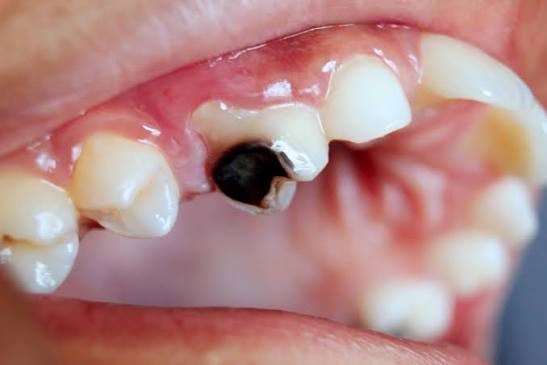
Tooth decay, also known as dental caries, is becoming an increasing public health concern across many age groups. Dental professionals report a rise in untreated cavities, especially among children, teenagers, and adults who delay routine dental care. While tooth decay is largely preventable, poor oral hygiene habits, high sugar consumption, and limited access to dental services are contributing to the growing burden of disease.
Health experts warn that untreated tooth decay can lead to pain, infection, tooth loss, and complications that affect overall health and quality of life.
What Is Tooth Decay?
Tooth decay is the destruction of the hard outer surface of the teeth, known as enamel. It occurs when bacteria in the mouth feed on sugars from food and drinks, producing acids that gradually erode tooth structure.
Over time, this process creates small holes or cavities in the teeth. If left untreated, decay can progress deeper into the tooth, affecting nerves and causing severe pain or infection.
Why Is Tooth Decay Increasing?
Experts point to several factors contributing to the rise in dental caries:
- High consumption of sugary foods and drinks.
- Frequent snacking between meals.
- Poor brushing and flossing habits.
- Irregular dental check-ups.
- Increased consumption of processed foods.
- Lack of fluoride exposure in some communities.
- Limited awareness of oral health care.
Children and young adults are particularly affected due to dietary habits and inconsistent oral hygiene routines.
Early Signs of Tooth Decay
Tooth decay often develops silently in its early stages. Warning signs may include:
- Tooth sensitivity to hot, cold, or sweet foods.
- Visible dark spots or stains on teeth.
- Mild toothache that comes and goes.
- Holes or pits in the teeth.
- Pain when chewing.
Early detection is important because treatment is simpler and less invasive at this stage.
Possible Complications
If untreated, tooth decay can lead to:
- Severe tooth pain.
- Dental abscess (infection at the root of the tooth).
- Swelling of the face or gums.
- Tooth loss.
- Difficulty eating or speaking.
- Spread of infection to surrounding tissues in rare cases.
Severe dental infections may require emergency treatment.
How Is Tooth Decay Diagnosed?
Dentists diagnose tooth decay through:
- Visual examination of the teeth.
- Dental X-rays to detect hidden cavities.
- Patient history and symptom review.
Routine dental visits are essential for early detection, especially for people who may not notice symptoms.
Treatment Options
Treatment depends on the severity of decay:
Dental Fillings
Small cavities are cleaned and filled with restorative materials.
Dental Crowns
Severely damaged teeth may require crowns to restore shape and function.
Root Canal Treatment
If decay reaches the inner pulp of the tooth, a root canal may be needed to remove infected tissue and save the tooth.
Tooth Extraction
In advanced cases where the tooth cannot be saved, removal may be necessary.
Prevention of Tooth Decay
Tooth decay is highly preventable with good oral hygiene practices:
- Brush teeth twice daily with fluoride toothpaste.
- Floss daily to remove food particles between teeth.
- Reduce intake of sugary snacks and drinks.
- Drink plenty of water.
- Visit the dentist regularly for check-ups and cleaning.
- Avoid frequent snacking, especially sugary foods.
Preventive care is far more effective and affordable than treatment.
When Should You See a Dentist?
Seek dental care if you experience:
- Persistent tooth pain.
- Sensitivity that worsens over time.
- Visible holes or dark spots on teeth.
- Swelling in the gums or face.
- Difficulty chewing food.
Early treatment can prevent more serious complications.
The Bottom Line
Tooth decay is a growing but preventable dental health problem. It develops gradually due to acid-producing bacteria that damage tooth enamel, often influenced by diet and hygiene habits. With proper oral care, reduced sugar intake, and regular dental visits, most cases of tooth decay can be prevented or treated early before they become severe.
Disclaimer: This article is for informational purposes only and should not replace professional dental advice. Individuals experiencing tooth pain or signs of decay should consult a qualified dentist for proper diagnosis and treatment.