


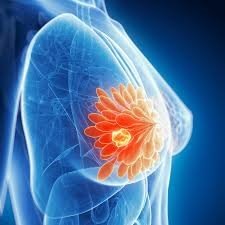
The breasts are glandular organs located on the upper chest wall, positioned over the pectoral muscles. They are made up of a combination of glandular tissue, fatty tissue, ducts, and supporting structures that enable their biological functions.
While both males and females have breast tissue, it is typically more developed in females due to hormonal changes during puberty.
What Are the Breasts?
The breasts are complex anatomical structures that sit on the chest wall and are closely associated with the reproductive system in females. During puberty, rising estrogen levels stimulate the development of fatty and glandular tissue, shaping the mature female breast.
In males, breast tissue remains largely undeveloped and non-functional under normal conditions. However, in some cases, a condition known as gynecomastia may cause enlargement of breast tissue.

Functions of the Breast
The primary biological function of the female breast is milk production and nourishment of infants. During pregnancy and after childbirth, hormones such as prolactin and oxytocin regulate milk production and release.
Beyond its reproductive role, breast tissue can also contribute to sexual sensation and body sensitivity in both males and females.
Structure of the Breast
The breast is composed of several interconnected structures:
Chest wall and support structures
The chest wall includes the ribs, sternum, spine, skin, fat, and muscle layers. Beneath the breast tissue lie the pectoral muscles, including the pectoralis major and minor, which provide structural support.
Lobules
Lobules are small glands responsible for producing milk during lactation. These are grouped into lobes, typically 15–20 per breast. Some forms of breast cancer originate in these structures and are referred to as lobular cancers.
Ducts
Ducts are channels that transport milk from the lobules to the nipple. Most breast cancers begin in these ducts, known as ductal cancers.
Mammary glands
The mammary glands are specialized glands located within the chest that produce milk in females. A portion of this system extends toward the underarm region.
Fatty and connective tissue
Fatty tissue, combined with fibrous connective tissue, determines breast size and shape. Hormonal changes during puberty increase fat deposition and glandular development.
Lymphatic system
The breast contains lymphatic vessels that drain fluid into lymph nodes. Most drainage flows to the axillary lymph nodes in the underarm area, while a smaller portion drains to internal mammary nodes near the chest.
Areola and nipple
The areola is the pigmented area surrounding the nipple and contains glands that help maintain skin moisture and prevent cracking. The nipple contains multiple milk ducts and plays a central role in breastfeeding, as well as sexual stimulation.
Breast Cancer Awareness and Screening
Breast cancer occurs when cells in the breast grow abnormally and uncontrollably. It can develop in both males and females, although it is more common in women.
According to the American Cancer Society, early detection significantly improves treatment outcomes and survival rates.
Self-Examination for Breast Health
Regular breast self-examinations can help individuals become familiar with their normal breast appearance and identify changes early.
Key steps include:
- Visually inspecting the breasts in a mirror for changes in size, shape, or symmetry
- Checking for skin changes such as dimpling, redness, swelling, or rashes
- Observing the nipples for inversion or unusual discharge
- Raising the arms to check for visible differences in breast contour
- Lying down and palpating the breast using circular motions to detect lumps
- Repeating the examination while standing for consistency
Individuals are encouraged to examine the entire breast area, including the underarm region and collarbone area.
Any unusual findings such as lumps, persistent pain, nipple discharge, or skin changes should be evaluated by a healthcare professional.
Summary
The breasts are complex anatomical structures composed of glands, ducts, fatty tissue, and supportive muscles. Their primary biological role is lactation in females, although they also contribute to sensory and sexual function.
Breast cancer can affect both males and females, making awareness and regular self-examination important tools for early detection. Early diagnosis greatly improves treatment success and outcomes.




