


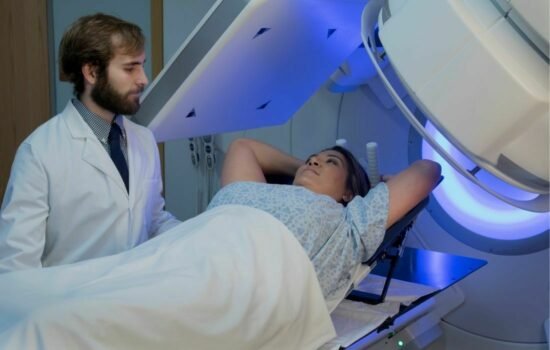
Radiation therapy remains one of the most effective treatments for breast cancer, helping destroy cancer cells and reduce the risk of recurrence. Often used alongside surgery, chemotherapy, or other treatments, radiation can play a critical role in a patient’s recovery plan. However, like most cancer treatments, it may cause side effects that vary in severity and duration.
Healthcare providers typically deliver radiation through external beam therapy, which targets the breast and surrounding tissues from outside the body. In some cases, internal radiation therapy, known as brachytherapy, may be used, involving the temporary placement of radioactive material inside the body.
Short-Term Side Effects
Many patients experience temporary side effects during treatment or in the weeks that follow. These reactions usually improve within a few months after therapy ends.
Common short-term effects include:

- Fatigue and reduced energy levels
- Skin irritation or discomfort
- Changes in skin color or texture
- Peeling, flaking, or blistering of the skin
- Breast swelling
- Shoulder stiffness
- Hair loss in the treated underarm or chest area
- Sore throat and difficulty swallowing
- Cough or mild breathing difficulties
- Reduced appetite
Fatigue may become more noticeable when radiation is combined with treatments such as chemotherapy.
Long-Term Effects
Some side effects can appear months or even years after treatment. While not everyone experiences these complications, they may include:
- Permanent changes in skin color
- Thickened or firmer skin in the treated area
- Increased visibility of skin pores
- Altered skin sensitivity
- Changes in breast size or shape due to scar tissue or fluid buildup
- Lymphedema, a condition that causes swelling in the arm
Radiation treatment may also affect future breast reconstruction options and can reduce the ability to breastfeed from the treated breast.
Rare but Serious Complications
Advances in radiation technology have significantly reduced the likelihood of severe complications, but some rare risks remain.
Potential uncommon complications include:
Nerve Damage (Brachial Plexopathy): Damage to nerves in the shoulder and arm may lead to numbness, tingling, weakness, or pain.
Rib Fractures: Radiation can weaken nearby ribs, increasing the risk of fractures.
Lung Inflammation: Known as radiation pneumonitis, this condition may cause coughing, shortness of breath, and mild fever. Symptoms often improve with treatment.
Heart Problems: Radiation directed to the left breast may slightly increase the risk of heart-related complications, including irregular heartbeat or damage to blood vessels.
Secondary Cancer: In extremely rare cases, a cancer known as angiosarcoma may develop years after radiation treatment.
Managing Treatment Side Effects
Most side effects can be managed with proper care and support. Patients are often advised to:
- Get adequate rest
- Wear loose, comfortable clothing
- Protect treated skin from direct sunlight
- Use mild soaps and lukewarm water when bathing
- Avoid scratching or rubbing irritated skin
- Consider soft, non-restrictive bras if needed
- Seek help with daily activities when fatigue becomes overwhelming
Doctors and nurses can also recommend exercises to improve shoulder mobility and products to soothe skin irritation.
Outlook for Patients
For most people, the benefits of radiation therapy outweigh the potential risks. The majority of side effects are temporary and gradually improve after treatment ends.
Maintaining open communication with healthcare providers is essential throughout treatment. Reporting new or worsening symptoms early allows medical teams to address concerns promptly and provide strategies to improve comfort and quality of life.
Key Takeaway
Radiation therapy is a cornerstone of modern breast cancer treatment and has helped improve outcomes for countless patients. While short-term side effects such as fatigue and skin irritation are common, serious long-term complications are less frequent, particularly with modern treatment techniques. With proper monitoring and supportive care, many patients successfully complete radiation therapy and continue their recovery with manageable side effects.




