


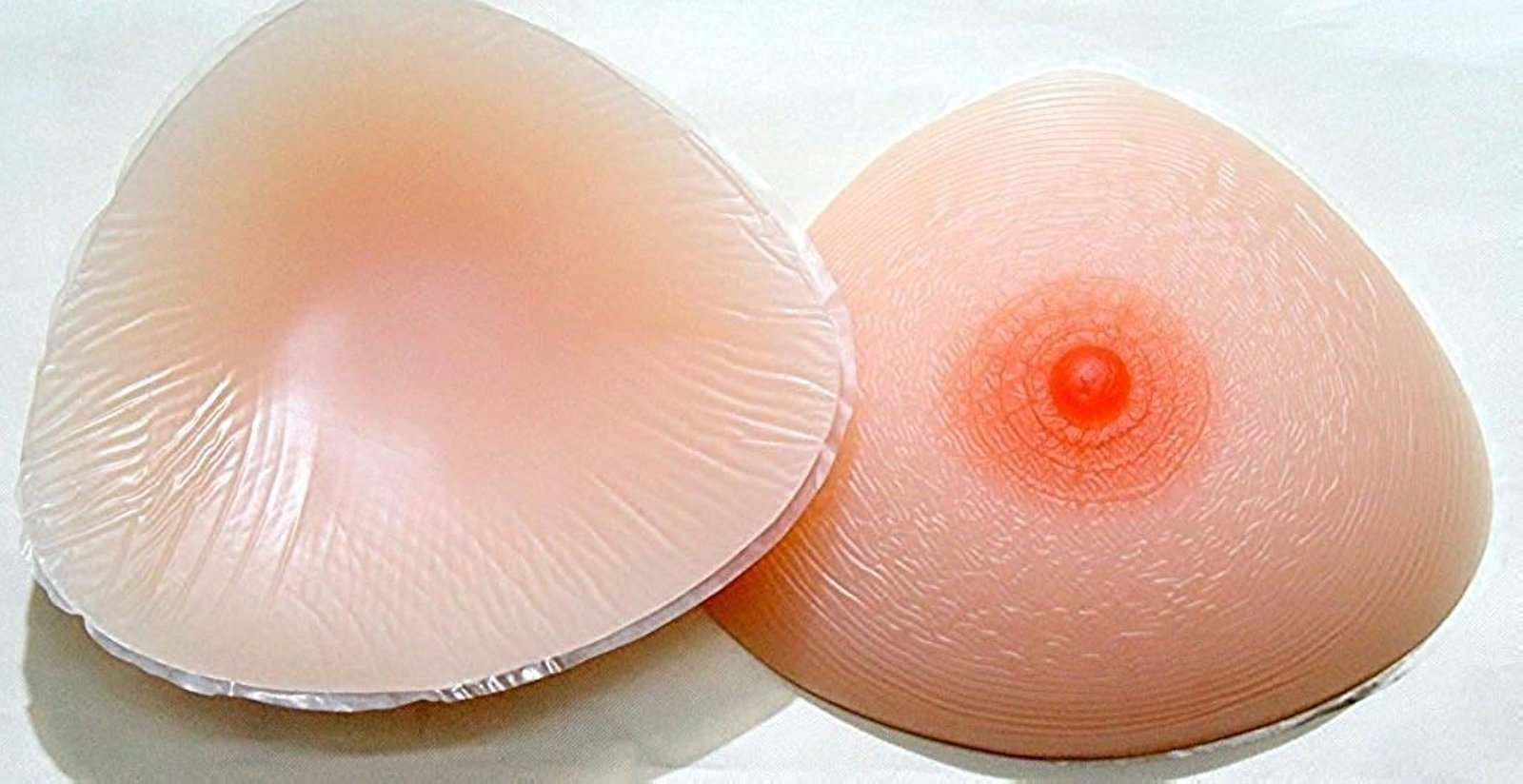
A breast prosthesis is an external artificial breast form designed to restore the appearance, shape, and balance of the chest after a mastectomy or other breast surgery. It is commonly used by individuals who choose not to undergo reconstructive surgery or are unable to do so due to medical reasons.
These prostheses are typically made from silicone gel or lightweight foam materials and are designed to fit discreetly inside a bra or attach directly to the chest.
Purpose of a breast prosthesis
A breast prosthesis helps restore body symmetry after breast removal. Many patients choose it for comfort, appearance, and to return to normal daily activities without undergoing additional surgery.

According to the American Cancer Society, people may choose a prosthesis because they prefer to avoid further surgical procedures, are not eligible for reconstruction, or want a faster physical and emotional recovery after treatment.
Types of breast prostheses
Breast prostheses come in different materials and designs depending on need and stage of recovery:
Silicone prostheses are heavier and closely resemble the natural weight and feel of breast tissue. Foam or fiberfill options are lighter and often recommended immediately after surgery or for active use, including swimming.
Soft post-surgical forms are temporary inserts designed for early recovery and are usually worn in special pocketed bras. Adhesive prostheses attach directly to the skin, offering a secure, natural look without specialized clothing. Partial prostheses, sometimes called shells or shapers, are used to fill in remaining breast tissue after a partial mastectomy.
Styles and shapes
Prostheses are available in full, partial, shell, and adhesive styles depending on the extent of surgery.
Shape options include symmetrical designs that can be worn on either side, asymmetrical forms tailored specifically for the left or right breast, and fully custom-made prostheses that are designed to match a person’s body measurements, skin tone, and natural contours.
Some manufacturers also produce prosthetic nipples made from silicone, which can be worn with a prosthesis or reconstructed breast to enhance realism.
Choosing the right prosthesis
Selection is largely based on comfort, lifestyle, and medical needs. Silicone options are preferred for a natural feel and weight, while foam versions suit active lifestyles. Partial prostheses are often used when some breast tissue remains, and full prostheses are used after complete removal.
Cost and insurance coverage also play a role, as custom-made options are typically more expensive.
Getting fitted
A permanent prosthesis is usually fitted several weeks after surgery once healing is complete and approved by a healthcare provider. Temporary soft forms are often provided during early recovery.
During a fitting session, specialists help patients select the correct size, weight, and shape. The process may include trying multiple options in a supportive environment with mirrors and proper lighting to ensure the best match and comfort.
Care and maintenance
Care depends on the material. Silicone prostheses require gentle hand washing and should be kept away from hot water, pools, and harsh chemicals to prevent damage. Foam versions are easier to maintain and more water-friendly.
Proper care can extend the lifespan of the prosthesis, which typically lasts several years before replacement is needed.
Cost and coverage
Breast prostheses generally cost between $100 and $500 depending on type and customization. Many insurance plans provide partial or full coverage, including replacement every one to two years in some cases.
In some regions, Medicare also supports coverage for prostheses and related medical care, although patients may still be responsible for part of the cost of services and fittings.
Summary
Breast prostheses offer a non-surgical option for restoring body balance and appearance after breast removal. With a wide range of materials, styles, and customization options available, individuals can choose solutions that best suit their medical needs, comfort, and lifestyle.




