


Health experts are encouraging Nigerians to get safe, moderate exposure to sunlight, emphasizing that sunlight plays an important role in helping the body produce vitamin D, which is essential for strong bones, healthy immunity, and overall well-being.
According to medical professionals, vitamin D is a vital nutrient that helps the body absorb calcium and phosphorus, both of which are necessary for maintaining strong bones and teeth. It also supports immune system function and contributes to muscle health.
Doctors explain that the body produces vitamin D when the skin is exposed to sunlight, particularly ultraviolet B (UVB) rays. However, factors such as skin type, time of day, clothing, use of sunscreen, and air pollution can affect how much vitamin D the body produces.
Health experts warn that both insufficient and excessive sun exposure can be harmful. While limited sunlight exposure may contribute to vitamin D deficiency, prolonged exposure without protection can increase the risk of skin damage, premature ageing, and skin cancer.

Medical professionals recommend short periods of sun exposure during safer hours of the day, such as early morning or late afternoon, when the sun’s intensity is lower. They advise avoiding prolonged exposure during peak sunlight hours when UV radiation is strongest.
Doctors encourage individuals to expose small areas of skin, such as the arms or legs, while ensuring that exposure remains brief and comfortable. People with darker skin tones may require slightly longer exposure to produce adequate vitamin D compared to those with lighter skin tones.
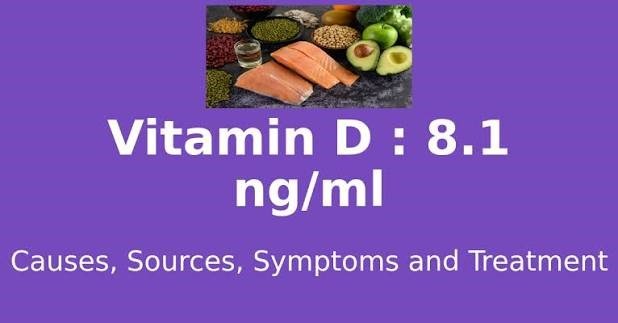
Experts note that dietary sources of vitamin D, such as fatty fish, egg yolks, fortified foods, and supplements, may also help maintain healthy levels, especially for individuals who have limited sun exposure or are at risk of deficiency.
Health professionals advise against relying solely on supplements without medical guidance, as excessive intake of vitamin D can lead to toxicity and health complications. A healthcare provider may recommend testing and appropriate supplementation when necessary.
Doctors also emphasize the importance of protecting the skin during prolonged outdoor activities by wearing protective clothing, hats, and using sunscreen when appropriate. These measures help balance the benefits of sunlight with protection against harmful UV exposure.
Medical experts conclude that safe sun exposure, combined with a balanced diet and healthy lifestyle, can help maintain adequate vitamin D levels. They encourage Nigerians to seek medical advice if they suspect deficiency symptoms such as fatigue, bone pain, or frequent illness, noting that proper diagnosis and guidance are essential for maintaining good health.




