


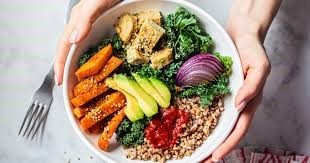
A vegan diet excludes all animal products, including meat, eggs, and dairy, and is based entirely on plant foods. Because many animal-based foods are calorie-dense and high in saturated fat, removing them may naturally reduce overall calorie intake and support weight loss in some individuals.
However, weight loss on a vegan diet depends heavily on food choices, portion sizes, and overall lifestyle habits.
Does a Vegan Diet Help With Weight Loss?
Research suggests that people who follow vegan diets tend to have lower body weight and body mass index (BMI) compared with non-vegans. This may be due to higher intake of fiber-rich foods and lower consumption of processed and high-fat animal products.
Several studies support a potential link between vegan eating patterns and weight reduction:

- A 2016 study found that participants on a vegan diet lost more weight over six months compared with those on vegetarian or omnivorous diets.
- A review of multiple studies concluded that plant-based diets are generally more effective for weight loss than diets that include animal products.
- Other research indicates that plant-based diets may slightly increase metabolism, which could support greater calorie burning at rest.
Despite these findings, adherence plays a major role. Like any diet, success depends on consistency and long-term habits.
Is a Vegan Diet Healthy?
A well-planned vegan diet can offer several health benefits, especially when it focuses on whole, minimally processed foods. Potential benefits include:
- Improved cholesterol levels
- Better blood sugar control
- Lower risk of type 2 diabetes
- Reduced inflammation
- Lower risk of certain chronic diseases
However, removing animal products also increases the risk of certain nutrient deficiencies if the diet is not properly planned.
Key nutrients to monitor include:
- Vitamin B12
- Iron
- Calcium
- Vitamin D
- Omega-3 fatty acids
- Protein
Many of these can be obtained through fortified foods or supplements when necessary.
Best Foods for Vegan Weight Loss
A successful vegan weight loss plan should prioritize nutrient-dense, filling foods such as:
- Soy products (tofu, tempeh, edamame)
- Quinoa and other whole grains
- Beans, lentils, and chickpeas
- Nuts and seeds
- Leafy green vegetables
- Fruits
- Plant-based milk alternatives (especially fortified versions)
These foods provide fiber and protein, which help increase satiety and reduce overeating.
Practical Tips for Weight Loss on a Vegan Diet
To improve results, experts often recommend:
- Focusing on whole foods instead of processed vegan products
- Limiting added oils and high-calorie sauces
- Controlling portion sizes
- Including protein in every meal
- Increasing daily physical activity
- Eating balanced meals instead of relying heavily on refined carbs like pasta and bread
- Choosing healthy fats such as avocado, nuts, and seeds in moderation
It is also important to remember that “vegan” does not automatically mean “low-calorie” or “healthy,” as many processed vegan snacks and desserts can still be high in sugar and fat.
Can a Vegan Diet Lead to Weight Gain?
Yes. A vegan diet can still lead to weight gain if calorie intake is too high. This often happens when people rely heavily on:
- Processed vegan foods
- Sugary snacks and desserts
- Large portions of refined carbohydrates
Balance is key, and whole foods should remain the foundation of the diet.
Summary
A vegan diet may support weight loss when it is well-planned and centered on whole plant foods. Studies suggest it can be more effective for reducing body weight than diets that include animal products, largely due to higher fiber intake and lower calorie density.
However, results vary depending on food choices and consistency. For best outcomes, individuals should prioritize balanced nutrition, monitor key nutrients, and combine dietary changes with regular physical activity.




