


tech-crusoe-drops-boom-turbine-deal
Crusoe Drops $1.25B Boom Turbine Deal
The 1.21 GW agreement for 29 natural-gas power units was scrapped after Crusoe raised $3.9 billion, shifting its immediate energy strategy for AI data center campuses.
AI data center firm Crusoe has scrapped a $1.25 billion turbine order with Boom Supersonic to diversify its power mix.
Consequently, Crusoe will no longer buy 29 gas turbines from Boom Supersonic. The scrapped agreement had an estimated value of $1.25 billion. Specifically, the planned purchase aimed to generate 1.21 gigawatts of power. Boom CEO Blake Scholl confirmed the sudden end of the deal.

Scrapping The Massive Turbine Deal
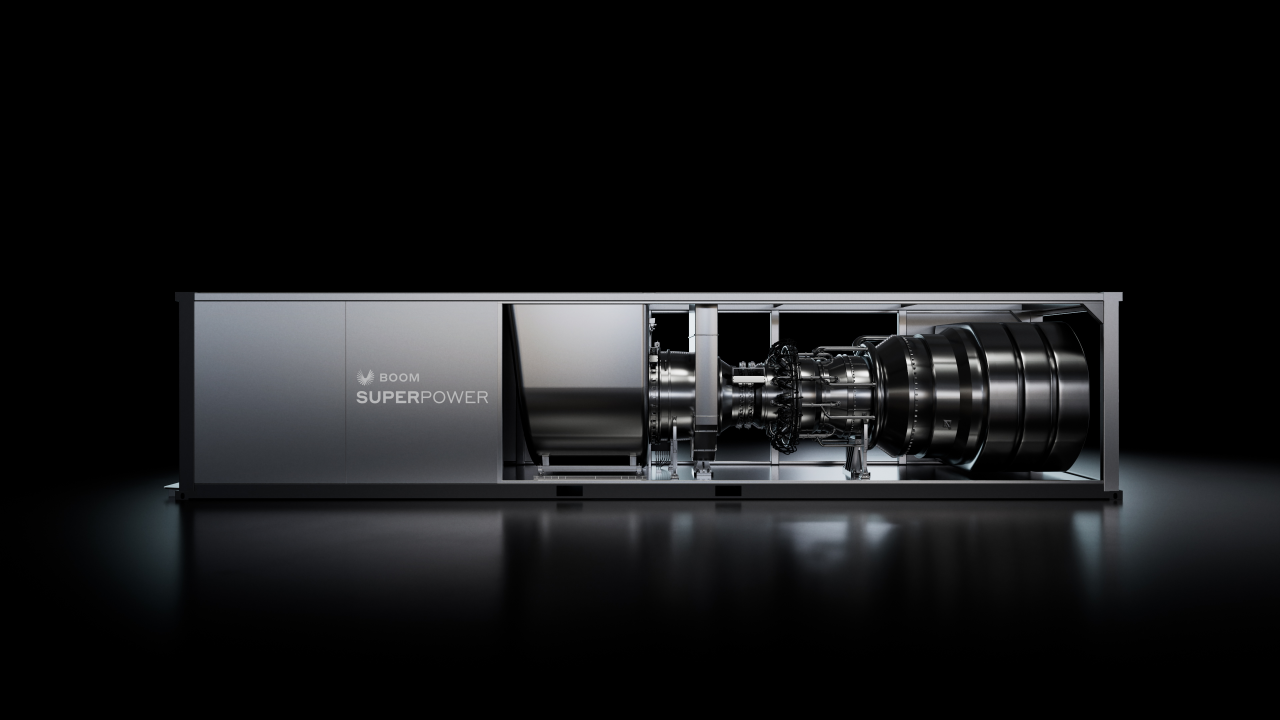
Essentially, the deal positioned Crusoe as the launch customer for Boom’s power project. The two companies signed the initial contract in late 2025. Furthermore, Boom designed the 42-megawatt Superpower turbines using its supersonic jet technology. According to reporting by TechCrunch, the turbines are no longer in Crusoe’s immediate plans. Blake Scholl announced the shift publicly on social media platform X. As a result, the aviation firm must now pivot toward other energy buyers.
However, the cancellation marks a notable change in data center power sourcing. Crusoe intended to install these units at its major facility in Abilene, Texas. Indeed, the Abilene project supports cutting-edge artificial intelligence infrastructure for leading technology customers. In fact, global technology firms continue to reshape digital systems, as highlighted by DDM News. Therefore, building steady off-grid power generation remains a core industry challenge.
Crusoe Pivots Sourcing Strategy
Furthermore, Crusoe recently secured $3.9 billion in new funding during mid-September. Company representatives explained that local site conditions guide each power decision. Specifically, Crusoe spokesperson Andrew Schmitt confirmed the company is maintaining total energy flexibility. In contrast to sole reliance on gas plants, the company utilizes blended assets. For example, the operator deploys solar arrays, wind generation, batteries, and public utility grids.
Subsequently, industry watchers noted how swiftly tech infrastructure firms change their supply lines. Modern AI data center developers need power delivered faster than typical turbine lead times. Deliveries from Boom were not expected to begin until 2027. Consequently, waiting several years created friction for fast-moving computing campuses. Meanwhile, major hardware providers such as Reuters document record power demands across tech corridors. Crusoe must balance speed against massive long-term capital equipment commitments.
Boom Supersonic Adjusts Energy Roadmaps
Meanwhile, Boom Supersonic remains committed to developing stationary power plants alongside supersonic aircraft. The company originally launched the Superpower turbine division to fund its Overture passenger jet. Indeed, the turbine shares roughly 80 percent of its core parts with Symphony. Symphony serves as the proprietary engine designed for Mach-speed commercial travel. Additionally, Boom previously raised $300 million to build out this specialized energy initiative.
Nevertheless, Blake Scholl stated that Boom retains other data center customers in its pipeline. Boom still expects to deliver 250 megawatts of power systems next year. Furthermore, the company aims to produce one gigawatt of turbine output by 2028. As energy updates from Bloomberg show, data center developers still search for off-grid power. Therefore, Boom believes its aircraft-derived turbine will eventually succeed across independent energy markets.
To conclude, Crusoe continues to build massive AI facilities across North America. Both companies mutually decided to part ways on this specific project. Ultimately, AI data center operators will prioritize flexible solutions that can deliver clean electricity immediately.




