


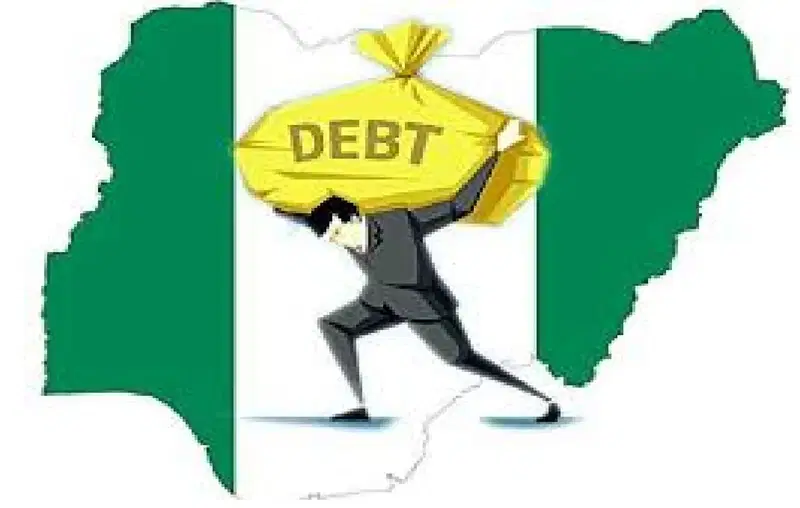
The Federal Government is looking to raise about ₦700 billion from the domestic bond market this April, continuing its gradual step-down in borrowing as costs remain high.
Details released by the Debt Management Office show the bond auction is set for April 27, with settlement two days later.
Instead of introducing new instruments, the government will re-open existing bonds across three different maturities a move designed to boost liquidity and keep trading in those securities active.
The offer includes:

₦300 billion in the August 2030 bond (17.945%)
₦100 billion in the June 2032 bond (17.95%)
₦300 billion in the January 2035 bond (22.60%)
Each bond unit is priced at ₦1,000, with a minimum subscription of ₦50 million meaning the offer is largely aimed at big players like pension funds, banks, and asset managers.
The DMO noted that these bonds remain attractive to investors because they qualify as liquid assets for banks and are exempt from certain taxes.
What stands out, though, is the steady drop in how much the government is trying to borrow each month.
The target has been trimmed from ₦900 billion in January to ₦800 billion in February, ₦750 billion in March, and now ₦700 billion in April.
It’s not a major policy shift, but more of a careful adjustment in response to market conditions.
Even with the lower borrowing target, interest rates remain high especially for long-term debt.
While the shorter-term bonds are around 17.9%, the 10-year bond is priced much higher at 22.60%.
That jump reflects what investors are demanding right now: bigger returns to offset risks like inflation, exchange rate instability, and global economic uncertainty.
The final yields will still be determined at the auction, depending on what investors are willing to accept.
This high-rate environment is largely tied to the tight stance of the Central Bank of Nigeria, which has kept interest rates elevated in a bid to control inflation.
The downside is that it makes borrowing more expensive for the government.
Recent figures also show how that pressure is building. Nigeria’s debt servicing costs climbed to about ₦16 trillion in 2025 a sharp increase from the previous year underscoring the growing strain on public finances.




