


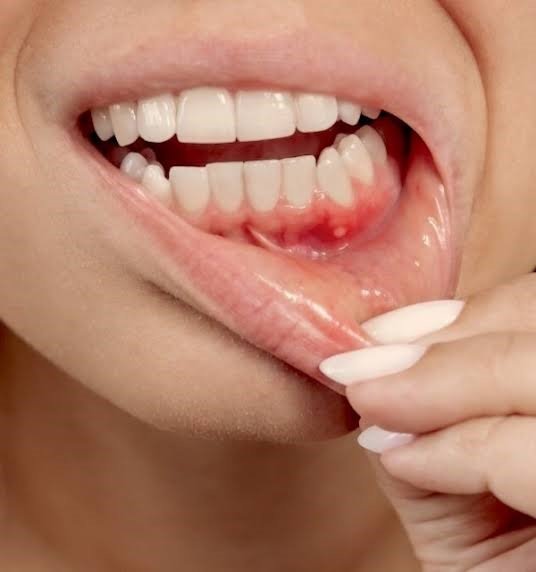
Dental professionals are urging the public to seek prompt medical attention if they notice persistent white patches inside the mouth, warning that while some cases are harmless, others may be signs of infection, chronic irritation, or precancerous changes. Experts say early examination is essential because many serious oral conditions can be treated more successfully when detected early.
They advise anyone with white patches that do not disappear within two weeks to consult a dentist or healthcare provider.
What Are White Patches in the Mouth?
White patches are areas of thickened or discoloured tissue that may appear on the:
- Tongue.
- Inside of the cheeks.
- Gums.
- Roof of the mouth.
- Floor of the mouth.
Some patches can be wiped away, while others remain firmly attached to the tissue.

What Causes White Patches?
Common causes include:
- Oral thrush (a fungal infection).
- Irritation from broken teeth or poorly fitting dentures.
- Tobacco use.
- Poor oral hygiene.
- Certain chronic medical conditions.
- Precancerous conditions such as leukoplakia.
A proper examination is needed to determine the exact cause.
Symptoms to Watch For
Along with white patches, you may experience:
- Mouth soreness.
- Difficulty chewing.
- Pain when swallowing.
- Persistent bad breath.
- Red patches around the affected area.
- Bleeding from the lesion.
Some people may have no pain at all.
Why Early Diagnosis Matters
Ignoring persistent white patches may delay the diagnosis of serious conditions.
Early evaluation allows healthcare providers to:
- Identify infections.
- Treat irritation before complications develop.
- Detect precancerous changes.
- Diagnose oral cancer at an earlier stage if present.
Timely treatment greatly improves outcomes.
Treatment
Treatment depends on the underlying cause and may include:
- Antifungal medication for oral thrush.
- Adjustment or replacement of poorly fitting dentures.
- Removal of sources of irritation.
- Smoking cessation.
- Biopsy and further treatment if a precancerous or cancerous lesion is suspected.
Your dentist will recommend the most appropriate care.
How Can You Reduce Your Risk?
Experts advise:
- Brushing twice daily with fluoride toothpaste.
- Flossing every day.
- Avoiding tobacco products.
- Limiting alcohol consumption.
- Attending regular dental check-ups.
- Seeking treatment for mouth sores that do not heal.
Good oral hygiene supports healthier oral tissues.
When Should You See a Dentist?
Seek professional care if:
- A white patch lasts longer than two weeks.
- The patch becomes painful or bleeds.
- You develop difficulty swallowing.
- You notice a lump inside the mouth.
- The patch continues to grow or change.
Do not wait for symptoms to become severe.
The Bottom Line
White patches inside the mouth should never be ignored, especially if they persist for more than two weeks. While many cases are caused by treatable conditions, some may be early signs of more serious diseases. Early diagnosis and appropriate treatment can help protect your oral health and improve long-term outcomes.
Disclaimer: This article is for informational purposes only and should not replace professional medical or dental advice. Anyone with persistent white patches or other unusual changes inside the mouth should consult a qualified dentist or healthcare provider for proper evaluation and treatment.




