


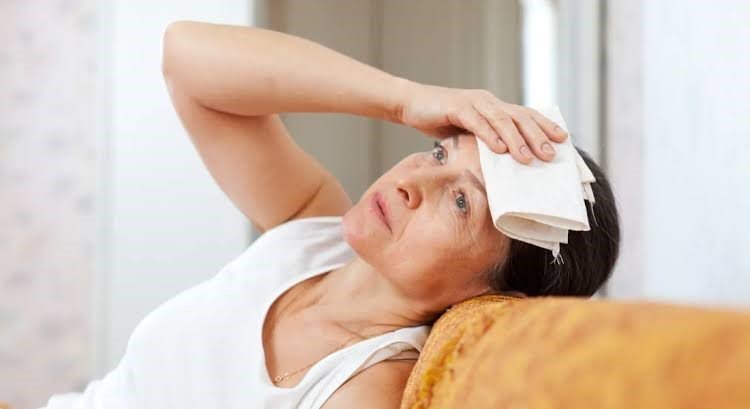
Health experts are advising Nigerians to seek medical attention if they experience persistent night sweats, warning that regularly waking up with excessive sweating during sleep may be a sign of an underlying medical condition that requires proper evaluation.
According to medical professionals, night sweats are episodes of excessive sweating that occur during sleep and are severe enough to soak clothing or bedding. While sleeping in a warm room or using heavy blankets may cause temporary sweating, persistent night sweats that occur without an obvious environmental cause should not be ignored.
Doctors explain that occasional night sweats are not always a cause for concern. However, recurring episodes may be associated with infections, hormonal changes, certain medications, thyroid disorders, diabetes, autoimmune diseases, and, in some cases, more serious illnesses such as tuberculosis or certain types of cancer.
Health experts note that persistent night sweats are often accompanied by other symptoms depending on the underlying cause. These may include unexplained weight loss, prolonged fever, persistent cough, swollen lymph nodes, fatigue, loss of appetite, or difficulty breathing. Anyone experiencing these symptoms alongside night sweats should seek prompt medical evaluation.

Medical professionals caution against self-diagnosing or relying on over-the-counter medications to manage persistent night sweats without identifying the root cause. Treating only the symptom may delay the diagnosis of a more serious health condition and allow it to progress.
Doctors advise individuals to monitor how often the night sweats occur, whether they are associated with fever or other symptoms, and whether they coincide with the use of any medications. Providing this information to a healthcare provider can assist in determining the cause and planning appropriate investigations.
Experts explain that diagnosing the cause of persistent night sweats may involve a physical examination, a review of the patient’s medical history, blood tests, imaging studies, or other specialised investigations depending on the symptoms and suspected condition.
Health professionals recommend maintaining healthy lifestyle habits, including staying well hydrated, eating a balanced diet, getting adequate sleep, and managing stress. However, they emphasise that lifestyle measures should not replace professional medical assessment when night sweats persist.
Doctors also encourage individuals with chronic illnesses or weakened immune systems to attend regular medical check-ups and report any unusual symptoms, including recurrent night sweats, as early recognition can improve treatment outcomes.
Medical experts conclude that although persistent night sweats are not always caused by a serious illness, they should never be dismissed when they occur repeatedly or are accompanied by other concerning symptoms. They encourage Nigerians to seek timely medical advice, as early diagnosis and appropriate treatment remain essential for protecting long-term health.




