


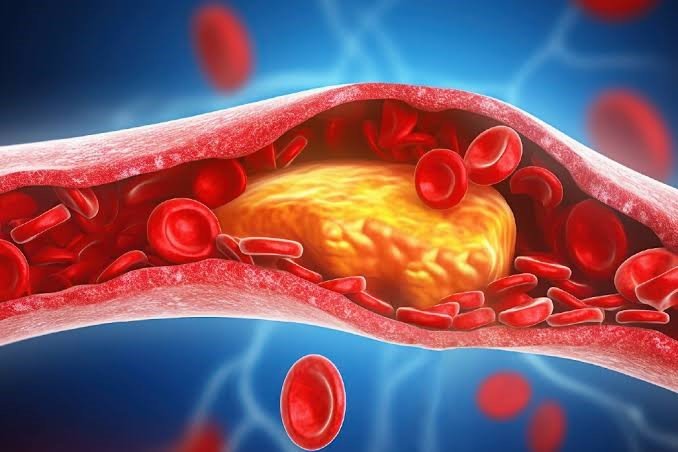
Health experts are warning Nigerians about the dangers of untreated high cholesterol, stressing that elevated cholesterol levels can silently increase the risk of heart disease, stroke, and other cardiovascular complications if left unmanaged.
According to medical professionals, cholesterol is a waxy, fat-like substance that the body needs to build healthy cells and produce certain hormones. However, when cholesterol levels become too high, excess cholesterol can accumulate in the walls of blood vessels, narrowing the arteries and restricting blood flow.
Doctors explain that high cholesterol often develops without noticeable symptoms, which is why many people are unaware they have the condition until serious complications such as a heart attack or stroke occur. Regular cholesterol screening is therefore essential for early detection and timely management.
Health experts note that several factors can contribute to high cholesterol, including diets rich in saturated and trans fats, physical inactivity, obesity, smoking, excessive alcohol consumption, diabetes, and certain inherited conditions. Advancing age and a family history of high cholesterol or heart disease may also increase an individual’s risk.

Medical professionals recommend that adults have their cholesterol levels checked as part of routine health screenings, particularly those with risk factors such as hypertension, diabetes, obesity, or a family history of cardiovascular disease. Early diagnosis allows healthcare providers to recommend lifestyle changes or medications before complications develop.
Doctors advise adopting heart-healthy habits to help maintain normal cholesterol levels. These include eating a balanced diet rich in fruits, vegetables, whole grains, legumes, lean proteins, and healthy fats while reducing the intake of fried foods, processed meats, baked goods, and other foods high in saturated and trans fats.
Experts also encourage regular physical activity, maintaining a healthy body weight, avoiding tobacco products, limiting alcohol consumption, and managing chronic conditions such as diabetes and high blood pressure. These measures not only help improve cholesterol levels but also support overall cardiovascular health.
Health professionals caution against relying solely on herbal remedies or dietary supplements advertised to lower cholesterol without consulting a healthcare provider. While some products may claim to improve heart health, they should not replace medically recommended treatments or lifestyle modifications.
Doctors emphasize that individuals prescribed cholesterol-lowering medications should take them exactly as directed and continue attending follow-up appointments to monitor their progress. Stopping medication without medical advice may increase the risk of serious cardiovascular events.
Medical experts conclude that high cholesterol is a manageable condition when detected early. They encourage Nigerians to undergo regular cholesterol screening, make healthy lifestyle choices, and seek professional medical care whenever abnormal cholesterol levels are identified, as these steps can significantly reduce the risk of heart disease and improve long-term health.




