


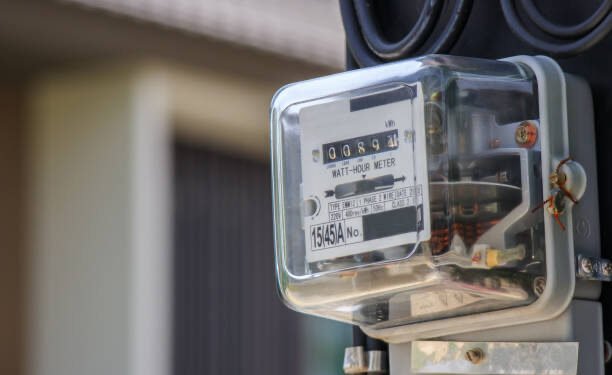
Nigeria’s electricity distribution sector recorded its strongest metering performance in more than a year during the first quarter of 2026, with electricity distribution companies (DisCos) installing a total of 357,495 electricity meters across the country. The latest figure represents the highest quarterly deployment recorded in the past five quarters, reflecting renewed momentum in the Federal Government’s drive to bridge Nigeria’s long-standing metering gap and improve transparency in electricity billing.
The milestone was disclosed in the Nigerian Electricity Regulatory Commission (NERC) First Quarter 2026 Report, which attributes the remarkable increase largely to the implementation of the Federal Government’s Distribution Sector Recovery Program (DISREP). The initiative has rapidly become the single biggest driver of meter deployment across Nigeria’s electricity distribution network, accounting for more than one-third of all installations completed during the review period.
The impressive performance signals continued progress in ongoing reforms aimed at modernising Nigeria’s electricity sector. For years, millions of electricity consumers have depended on estimated billing due to the shortage of prepaid meters, a challenge that has fueled frequent disputes between customers and electricity distribution companies. The latest deployment figures therefore represent a significant step toward reducing those disputes while improving efficiency, accountability and revenue collection throughout the
Nigerian Electricity Supply Industry (NESI). According to the report, all 11 electricity distribution companies collectively installed 357,495 meters between January and March 2026. This represents an increase of 10.38 percent compared with the 323,864 meters deployed during the fourth quarter of 2025, confirming a sustained upward trend in metering activities across the country.
Among the electricity distribution companies, Benin Electricity Distribution Company emerged as the leading performer during the quarter, accounting for 20.35 percent of all meters installed nationwide. Abuja Electricity Distribution Company followed closely, contributing 14.08 percent of the total installations. Their strong performance placed both utilities at the forefront of Nigeria’s ongoing metering expansion programme.
The report further revealed that eight of the eleven electricity distribution companies recorded growth in their metering activities during the quarter, demonstrating widespread improvement across much of the sector. Kaduna Electricity Distribution Company posted the highest percentage increase, recording an impressive growth of 119.53 percent compared with the previous quarter. However, not every distribution company experienced positive growth. Kano Electricity Distribution Company recorded the sharpest decline in installations, dropping by 94.81 percent. Enugu Electricity Distribution Company also witnessed a significant decline of 89.48 percent, while Abuja Electricity Distribution Company registered a 10.42 percent decrease in quarter-on-quarter installations despite remaining among the top contributors in total meter deployment.
A detailed breakdown of the installations highlights the dominant role played by the Distribution Sector Recovery Program. Out of the total 357,495 meters installed during the quarter, 129,224 units, representing 36.14 percent, were deployed through DISREP. The Meter Asset Provider (MAP) scheme accounted for 118,681 installations, equivalent to 33.19 percent of the total, while the Meter Acquisition Fund (MAF) contributed 97,992 meters or 27.41 percent.
Additional installations were financed directly by electricity distribution companies, which provided 10,589 meters under the DisCo-financed framework, accounting for 2.96 percent of the total deployments. Vendor-financed arrangements contributed another 1,009 meters, representing just 0.28 percent of installations during the first quarter.
NERC noted that the Distribution Sector Recovery Program has now established itself as the largest metering intervention in Nigeria’s electricity industry, significantly accelerating the pace of meter deployment nationwide. The regulator believes the programme is helping to address one of the sector’s most persistent operational challenges by ensuring more consumers receive prepaid and smart meters.
Analysis of the latest figures also reveals a remarkable recovery in metering activities over the past year. During the first quarter of 2025, electricity distribution companies installed only 187,161 meters. That figure increased to 225,631 during the second quarter before rising marginally to 228,614 in the third quarter. Meter deployment accelerated substantially in the fourth quarter of 2025, reaching 323,864 installations, before climbing further to the record-breaking 357,495 achieved during the first quarter of 2026.
This steady progression demonstrates that government interventions are beginning to yield measurable results, providing optimism that Nigeria’s metering deficit can gradually be reduced if the current pace is sustained.
NERC explained that the Distribution Sector Recovery Program is a Federal Government initiative funded through a 500-million-dollar facility provided by the World Bank. The programme was established to improve both the technical and financial performance of Nigeria’s electricity distribution companies while supporting the nationwide deployment of approximately 3.2 million smart electricity meters.
The commission disclosed that DISREP officially commenced meter installations in May 2025. Since its launch, the programme has deployed a cumulative total of 217,784 meters as of the end of the first quarter of 2026. During the first three months of 2026 alone, DISREP delivered 129,224 meters, representing a 29.81 percent increase compared with the 99,545 meters installed under the programme during the fourth quarter of 2025.
Among participating electricity distribution companies, Benin Electricity Distribution Company recorded the highest number of DISREP installations with 26,083 meters. Abuja Electricity Distribution Company followed with 24,072 installations, while Port Harcourt Electricity Distribution Company ranked third after deploying 22,145 meters through the government-backed initiative.
Despite the encouraging progress, Nigeria continues to grapple with a significant metering deficit, leaving millions of households and businesses dependent on estimated electricity billing. The shortage of meters remains one of the most pressing issues confronting the country’s power sector, affecting consumer confidence and contributing to revenue leakages across the industry.
To address these challenges, NERC continues to prioritise metering as one of its key regulatory reforms. The commission believes wider meter deployment will improve billing transparency, reduce commercial losses, strengthen revenue collection and enhance operational efficiency across the Nigerian Electricity Supply Industry.
Alongside DISREP, the Meter Asset Provider scheme continues to enable licensed private vendors to supply prepaid meters directly to customers, while the Meter Acquisition Fund provides additional financing mechanisms to accelerate nationwide installations and improve meter accessibility.
The Federal Government remains optimistic that the Distribution Sector Recovery Program will play a transformative role in reshaping Nigeria’s electricity distribution landscape. Backed by World Bank financing, the initiative is expected to facilitate the installation of 3.2 million smart meters across the country, helping to significantly reduce estimated billing while promoting a more efficient and transparent electricity market.
As the latest figures indicate, Nigeria’s metering programme is gathering unprecedented momentum, with quarterly installations now reaching their highest level in over a year. DDM News reports that sustained investment, effective implementation of government initiatives and stronger collaboration between regulators, electricity distribution companies and development partners will be critical to maintaining this upward trajectory. If the current pace continues, millions more Nigerian electricity consumers could soon benefit from accurate metering, fairer billing practices and improved service delivery.
Industry stakeholders also believe that the record performance achieved in the first quarter of 2026 demonstrates that strategic reforms can deliver tangible improvements when properly executed. As DDM News understands, continued expansion of smart metering infrastructure is expected to strengthen customer confidence, improve operational efficiency and support broader efforts to build a financially sustainable electricity sector capable of meeting Nigeria’s growing energy demands.




