


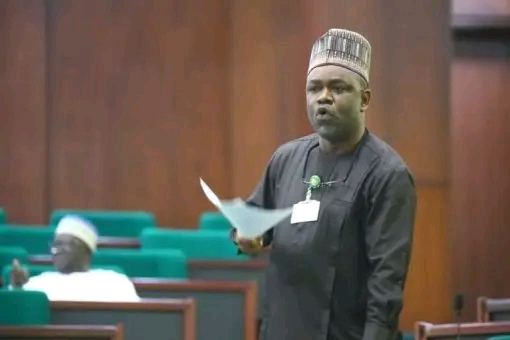
ABUJA, NIGERIA — A former Senior Special Assistant (SSA) to President Bola Tinubu has said Nigerians often expect quick miracles from government, stressing that governance is a gradual and systematic process that requires planning, patience, and consistent implementation.
The former aide, speaking on the state of governance in Nigeria, noted that many of the country’s current challenges were already deeply rooted before the present administration came into office.
He argued that the scale of Nigeria’s problems may have been underestimated prior to assumption of office, making reforms more complex and time-consuming than widely expected.
According to him, governing a country is similar to building a house, where progress cannot be achieved overnight regardless of effort or intention.

He emphasised that meaningful development requires structured planning, institutional coordination, and long-term execution rather than quick fixes.
The former SSA added that public expectations are often shaped by urgency, but governance outcomes are usually slow and incremental.
His remarks come amid ongoing national debates over economic reforms, rising cost of living, and the pace of policy implementation under the current administration.
Analysts say such comments reflect broader conversations within political circles about managing public expectations during periods of economic adjustment.
Nigeria has faced multiple structural challenges over the years, including inflationary pressures, infrastructure gaps, and security concerns, all of which continue to shape governance demands.
The former aide maintained that sustainable solutions require time and consistent policy direction rather than immediate results.
He also urged citizens to understand the complexities involved in administering a large and diverse country like Nigeria.
Political commentators note that public officials and former aides often defend government performance by highlighting systemic constraints and inherited challenges.
However, critics argue that citizens expect tangible improvements in living conditions regardless of historical context.
The statement adds to ongoing discourse about accountability, performance measurement, and communication between government and the public.
Experts suggest that managing expectations is a key aspect of governance, especially in democracies where public pressure is high.
As Nigeria continues to navigate economic reforms, the debate over pace versus impact is expected to remain central in national conversations.
The former SSA concluded by stressing that patience and structured planning remain essential for achieving long-term national development goals.




