


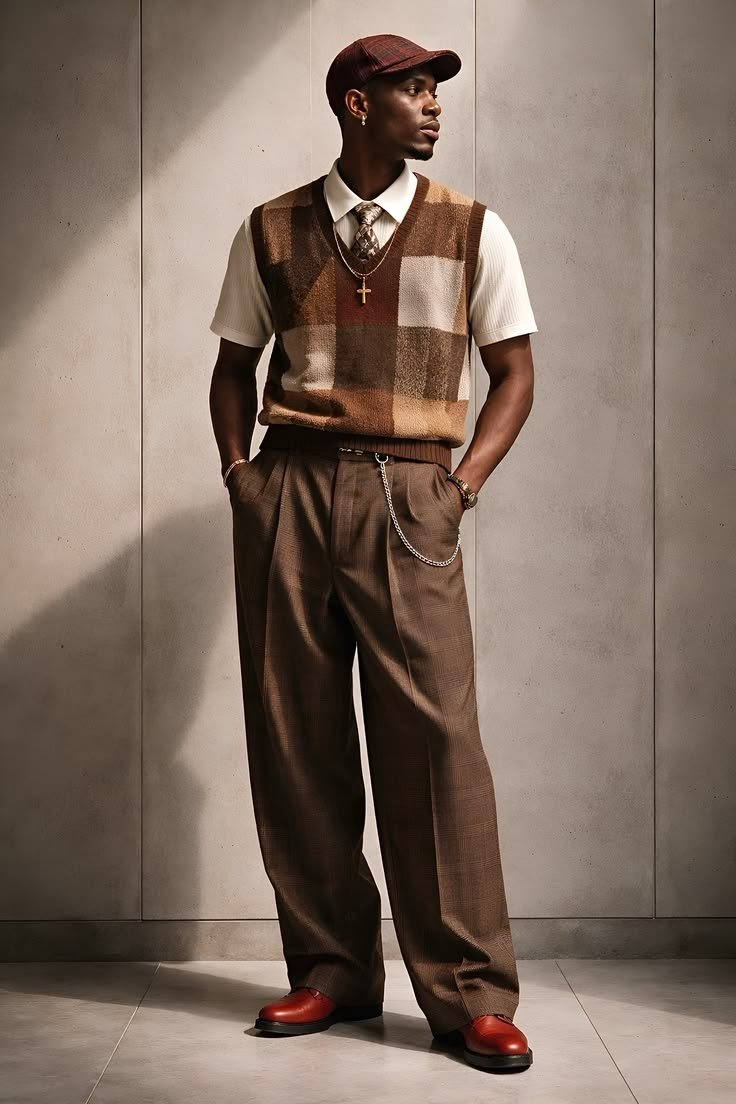
In Nigeria, fashion is rarely just about clothes.
A dress is not merely fabric stitched together. A suit is not simply a garment. An outfit can be a statement, an introduction, a negotiation, or even a declaration of status. In many social settings, what you wear speaks before you do.
Fashion has become one of the most powerful forms of social currency in modern Nigeria. It is a visual language through which people communicate success, ambition, identity, influence, and belonging.
From Lagos to Abuja, Port Harcourt to Enugu, clothing has evolved beyond personal style into a tool for social positioning. And Nigerians understand that appearance carries weight.

As the popular saying goes, “You are addressed the way you dress.”
This phrase reflects a reality deeply embedded in Nigerian culture.

Looking Good Is Good Business
In many parts of Nigeria, appearance is closely tied to perception. Studies examining fashion culture in Lagos found that clothing plays an important role in social interactions, relationship building, and even business opportunities. Researchers observed that appearance often influences how individuals are received and evaluated within society.
This explains why professionals invest heavily in their wardrobes.
A well-tailored suit can communicate competence. A carefully styled traditional outfit can project cultural pride and social standing. A luxury handbag, designer shoe, or statement accessory can signal membership in a particular social class.
In a highly competitive society, fashion often functions as a shortcut to credibility.
Before conversations begin, people form impressions based on visual cues. Whether fair or unfair, clothing frequently becomes part of that judgment process.
The Rise of Status Dressing
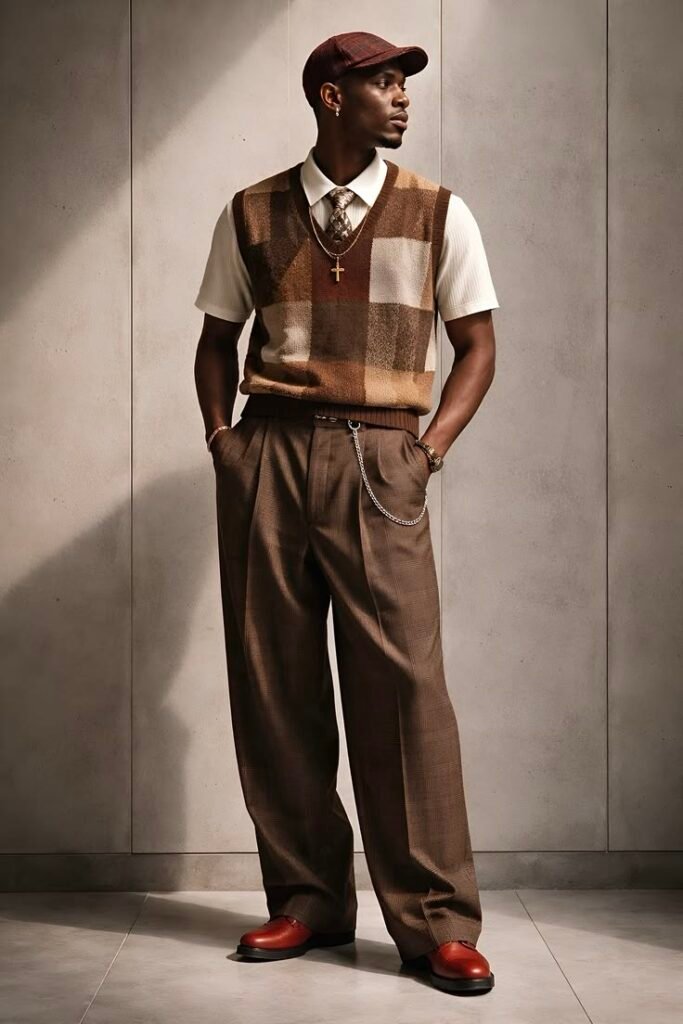
Nigeria’s growing urban middle class and affluent elite have transformed fashion into a visible marker of success.
Luxury brands, bespoke tailoring, premium fabrics, and exclusive accessories have become symbols of achievement. Research on luxury consumption in Nigeria shows that many consumers associate luxury fashion with prestige, recognition, social advancement, and status. For many, fashion is not only about quality but also about what ownership communicates to others.
Attend a high-profile wedding, an owambe celebration, or a major industry gathering, and you will quickly notice that fashion is part of the experience. Guests arrive dressed not only for the occasion but also for the audience. Every outfit contributes to a larger social performance where style becomes a measure of relevance and visibility.

Fashion, in this context, operates much like currency. It opens doors, attracts attention, and creates social value.
Social Media Changed Everything
If fashion was once displayed at parties and public gatherings, social media has expanded the runway.
Instagram, TikTok, Facebook, and Snapchat have turned everyday life into a continuous fashion showcase. Outfits are photographed, shared, liked, and discussed in real time.
The digital age has increased the visibility of fashion while also increasing the pressure to remain stylish.
Research examining Nigerian fashion designers on Instagram highlights how fashion has become intertwined with identity construction and self-presentation in digital spaces. Social media allows individuals and brands to carefully curate how they are perceived by others.
Today, a single post can influence trends, launch careers, and shape public perception.
Looking good is no longer confined to physical spaces; it now extends into digital environments where style can generate influence, followers, and opportunities.
Fashion as Identity
Fashion is also deeply connected to identity.
The Nigerian fashion industry continues to blend traditional heritage with contemporary influences, creating styles that reflect both local culture and global trends. Designers increasingly combine indigenous textiles, cultural craftsmanship, and modern silhouettes to create fashion that speaks to a uniquely Nigerian experience.
An agbada can represent heritage. An Ankara outfit can celebrate cultural roots, and a contemporary streetwear look can express creativity and individuality.
Fashion allows Nigerians to communicate who they are, where they come from, and what they value.
This is one reason Nigerian fashion continues to attract international attention. Beyond aesthetics, it tells stories about culture, ambition, resilience, and innovation.
More Than Clothes
The future of Nigerian fashion lies not only in luxury labels or viral trends but in its ability to shape culture.
Fashion remains one of the country’s most visible forms of self-expression. It influences how people are perceived, how communities connect, and how Nigerian culture is presented to the world.
In many ways, fashion functions as social currency because it creates value beyond the garment itself.
It can communicate confidence. It can open conversations.
And in a country where first impressions often matter, fashion remains one of the most powerful investments a person can make, not because of the price tag, but because of the story it tells.




