


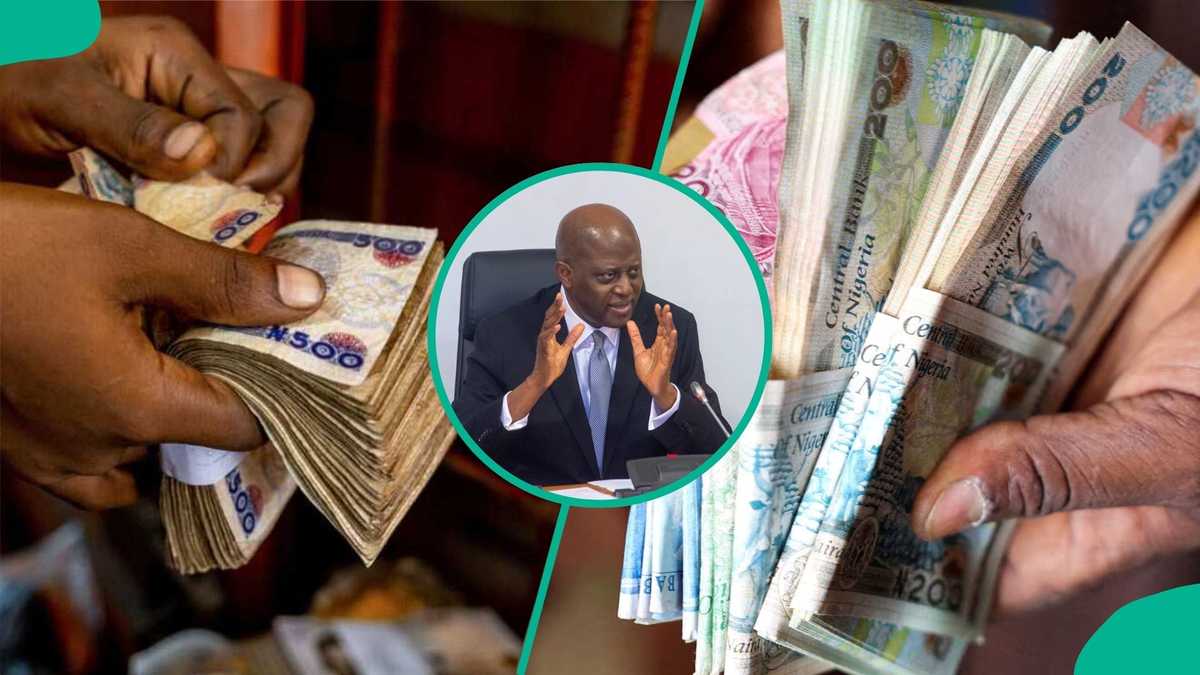
Nigeria’s elections are often discussed in terms of political parties, candidates, campaigns and voting, but there is another side of the electoral process that has a powerful impact on the economy: the movement of money. Behind campaign rallies, posters, media appearances, transportation and political gatherings is a complex network of financial transactions involving businesses, workers, suppliers, professionals and service providers.
Election spending does not simply move from political organisations to one destination. It can pass through several layers of the economy, creating income for different businesses along the way. From printing companies and transport operators to caterers, media organisations, technology professionals and small traders, election periods can generate demand across a wide range of sectors.
One of the earliest points where election money becomes visible is campaign branding. Candidates and political parties need to reach voters, communicate their messages and establish visibility within communities. This requires posters, banners, flyers, stickers, T-shirts, caps and other promotional materials.
Printing companies can therefore experience increased demand during election seasons. A business that normally produces wedding programmes, business cards, school materials or corporate branding may suddenly receive large political orders. Graphic designers, sign makers and advertising professionals can also become part of the process.

The production of campaign materials creates an economic chain of its own. A printer may need to purchase paper, ink and other materials from suppliers. A tailor producing campaign clothing may purchase fabric from another business, while transport operators move the finished products to different locations. What begins as a political contract can therefore generate income for several businesses before the final product reaches the campaign organisation.
According to DDM News, this wider economic chain is one reason election periods can create opportunities beyond the political organisations themselves. The money associated with campaigns can circulate through formal businesses and informal markets, supporting workers and suppliers along the way.
Digital communication has added another major channel through which election money moves. Political campaigns increasingly rely on social media platforms, websites, online advertising and digital content to reach voters. This creates opportunities for social media managers, graphic designers, photographers, videographers, content creators, copywriters and digital marketing agencies.
The growth of digital campaigning has also reduced some of the traditional barriers to entering the political services market. A young Nigerian with strong video-editing or social media skills can provide services to a campaign without owning a large office or employing a big workforce. Freelancers and small agencies can compete based on their creativity, speed and ability to produce engaging content.
Transportation represents another major destination for election-related spending. Political campaigns involve constant movement. Candidates travel to communities, campaign teams move between events, supporters attend rallies and promotional materials need to be distributed.
This creates business opportunities for vehicle rental companies, drivers, logistics operators, mechanics and other transport-related businesses. Fuel suppliers can also experience increased demand when campaign activity leads to more movement across communities.
At the local level, the effect can be even broader. Motorcycle and tricycle operators may benefit from increased passenger traffic around campaign events. Small shops and roadside vendors can also experience higher sales when large numbers of people gather in a particular location.
Food and hospitality businesses are another part of the election economy. Campaign meetings, conferences, rallies and other political gatherings require meals and refreshments. Caterers, restaurants, food vendors and food suppliers can receive orders to serve campaign workers, guests and participants.
Large events can create opportunities for several small businesses simultaneously. A catering company may need additional workers, food suppliers and transport services to complete an order. Event organisers may hire equipment rental companies for chairs, canopies, sound systems and lighting. Photographers and videographers may be contracted to document the event.
The media industry also receives a significant share of election-related economic activity. Political campaigns require television, radio, newspaper and online advertising to communicate with voters. Elections also increase public interest in political news, interviews, debates and analysis.
This creates additional demand for journalists, editors, camera operators, photographers, presenters, researchers and digital producers. Independent media platforms and content creators can also attract larger audiences during political periods, creating opportunities for advertising and other forms of commercial activity.
Technology is becoming increasingly relevant as well. Political organisations need communication tools, websites, digital platforms and data management services. Legitimate technology providers can support political communication, campaign administration and public information activities.
However, the movement of election money is not without risks. Businesses that benefit from election-related demand must understand that political activity can be seasonal. A company may receive substantial contracts during a campaign period but experience a decline in business once the election is over.
This makes diversification essential. Entrepreneurs should avoid building businesses that depend entirely on political clients. A printing company can serve political organisations while maintaining corporate, educational and private customers. A digital agency can work with campaigns while serving commercial brands. Caterers can provide food for political gatherings while continuing to handle weddings, birthdays and corporate events.
Election contracts can then become a source of additional income rather than the entire foundation of the business. Entrepreneurs can use the revenue to purchase equipment, improve their services, employ workers and develop new markets.
There is also a critical legal distinction between legitimate election-related business and unlawful political activity. Providing transportation, printing, catering, advertising or technology services is a normal commercial transaction when conducted legally. Businesses must, however, avoid involvement in vote buying, fraudulent financial arrangements or other activities prohibited by electoral laws.
DDM News observes that understanding where election money moves provides a different perspective on Nigeria’s political economy. A campaign may appear to be controlled by politicians, but its financial activity can reach hundreds or even thousands of businesses and individuals involved in delivering the services required for political operations.
The movement of money can also reveal wider economic trends. When political organisations spend heavily on digital communication, for example, it signals growing demand for digital skills. When campaign logistics increase demand for transportation, it creates opportunities for transport and logistics businesses. When large political gatherings require catering and event services, entrepreneurs in those sectors can identify additional markets.
The most important lesson for entrepreneurs is therefore to focus on the problems that political activity creates rather than politics alone. Elections require communication, movement, organisation, branding, food, technology, security-related services and logistics. Businesses capable of meeting these needs professionally can find legitimate commercial opportunities.
At the same time, entrepreneurs must understand that political seasons eventually end. The strongest businesses are those that can use election-related demand to build capacity while continuing to develop customers outside politics.
As Nigeria’s electoral campaigns become more digital and professionally organised, the way election money moves is likely to continue changing. Traditional campaign materials will remain relevant, but online advertising, content creation, data services, technology and specialised logistics are likely to play increasingly important roles.
Ultimately, election money moves through a much wider network than the public usually sees. It passes from political organisations to suppliers, from suppliers to workers and from businesses into local communities. Understanding this movement provides insight into how politics can influence commerce and how major national events can create temporary markets for entrepreneurs.
For Nigerian businesses, the opportunity is not simply to chase political spending. It is to identify legitimate needs, provide reliable services, manage finances carefully and build businesses strong enough to continue operating after the election season ends. In that way, election-related opportunities can become part of a broader strategy for sustainable business growth.




