


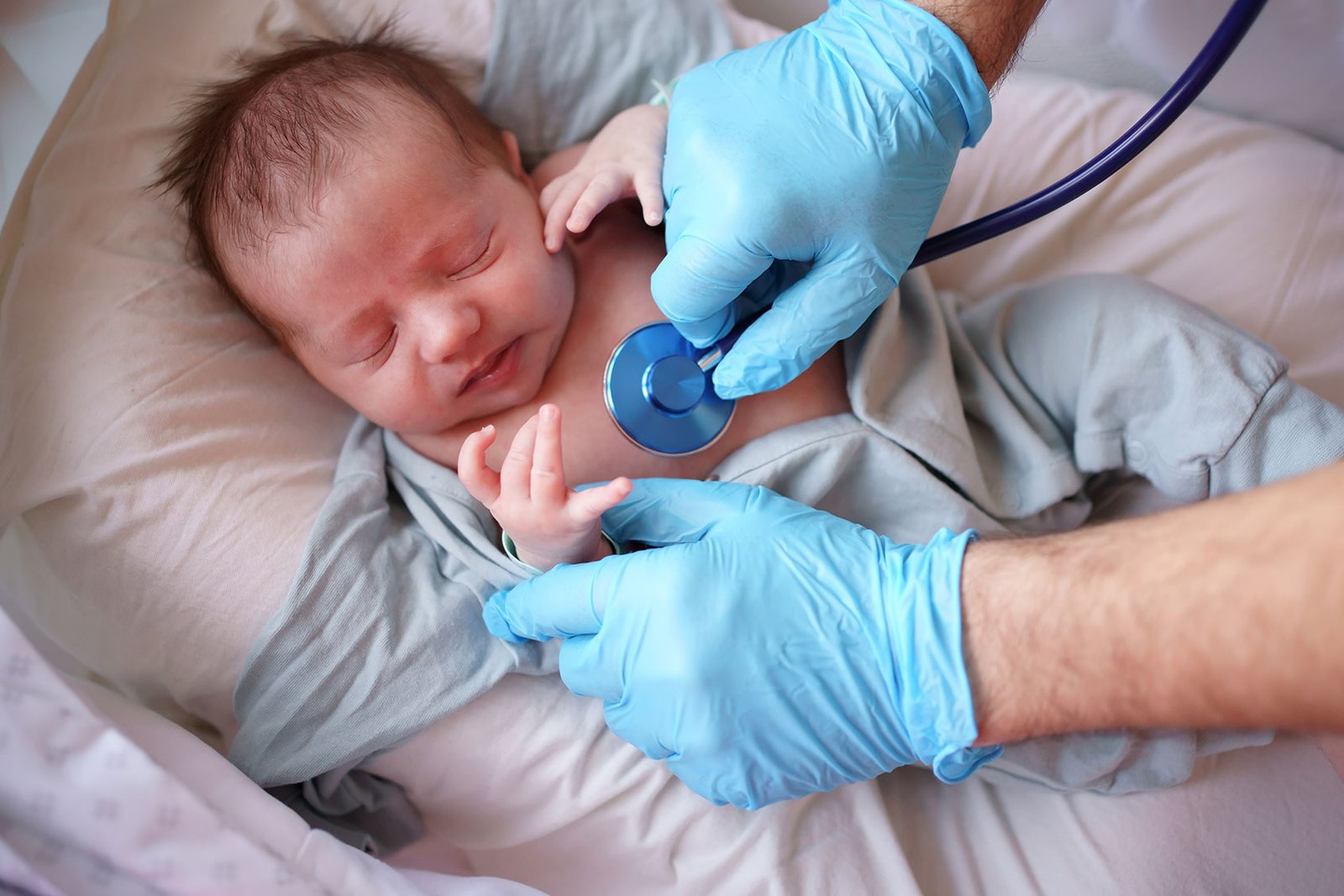
Sudden Infant Death Syndrome (SIDS) is the sudden and unexplained death of a seemingly healthy baby under one year of age, usually during sleep. Although the exact cause remains unknown, health experts say certain safe sleep practices can significantly reduce the risk.
Parents and caregivers play an important role in creating a safe sleeping environment for infants, especially during the first year of life.
Always Place Your Baby on Their Back to Sleep
Health experts recommend placing babies on their backs for every sleep, including naps and nighttime sleep.
Sleeping on the back helps keep the airway open and has been shown to reduce the risk of SIDS compared with sleeping on the stomach or side.

Once a baby can roll over independently, parents do not need to keep repositioning the baby during sleep.
Use a Firm, Flat Sleep Surface
Babies should sleep on a firm mattress covered with a fitted sheet in a safety-approved crib, bassinet, or portable play yard.
Soft mattresses, couches, armchairs, and adult beds increase the risk of suffocation and accidental injury.
Keep the Crib Free of Soft Objects
The baby’s sleeping area should not contain:
- Pillows.
- Blankets.
- Stuffed toys.
- Loose bedding.
- Crib bumpers.
These items can block a baby’s airway or increase the risk of suffocation.
Share the Room, Not the Bed
Health experts recommend that babies sleep in the same room as their parents for at least the first six months, and ideally up to one year, but in their own crib or bassinet.
Bed-sharing increases the risk of accidental suffocation, particularly if adults smoke, are extremely tired, or have consumed alcohol or certain medications.
Avoid Overheating
Dress babies appropriately for the room temperature and avoid excessive layers of clothing or heavy blankets.
Overheating has been linked to an increased risk of SIDS.
Breastfeed If Possible
Research suggests that breastfeeding may lower the risk of SIDS. Exclusive breastfeeding for the first six months is recommended when possible, although any amount of breastfeeding may provide health benefits.
Keep the Baby Away From Cigarette Smoke
Exposure to tobacco smoke during pregnancy and after birth increases the risk of SIDS.
Parents and caregivers should avoid smoking around babies and maintain a smoke-free home and vehicle.
Offer a Pacifier at Sleep Time
Some studies suggest that offering a clean, dry pacifier at nap time and bedtime may reduce the risk of SIDS.
For breastfed babies, healthcare providers often recommend waiting until breastfeeding is well established before introducing a pacifier.
Attend Regular Health Check-ups
Routine medical visits allow healthcare providers to monitor the baby’s growth and development while ensuring vaccinations are received according to the recommended schedule.
Some studies suggest that babies who receive routine immunisations may have a lower risk of SIDS.
Know the Difference Between SIDS and Choking
Many parents worry that babies sleeping on their backs may choke if they spit up.
Health experts explain that healthy babies have natural reflexes that help protect their airway, making back sleeping the safest sleeping position.
The Bottom Line
Although the exact cause of Sudden Infant Death Syndrome remains unknown, following safe sleep recommendations can significantly reduce the risk. Placing babies on their backs to sleep, using a firm mattress, keeping the crib free of soft bedding, avoiding overheating, and maintaining a smoke-free environment are among the most effective ways to protect infants during sleep.
Disclaimer: This article is for informational purposes only and should not replace professional medical advice. Parents and caregivers should consult qualified healthcare professionals for guidance on safe infant sleep and overall newborn care.




