


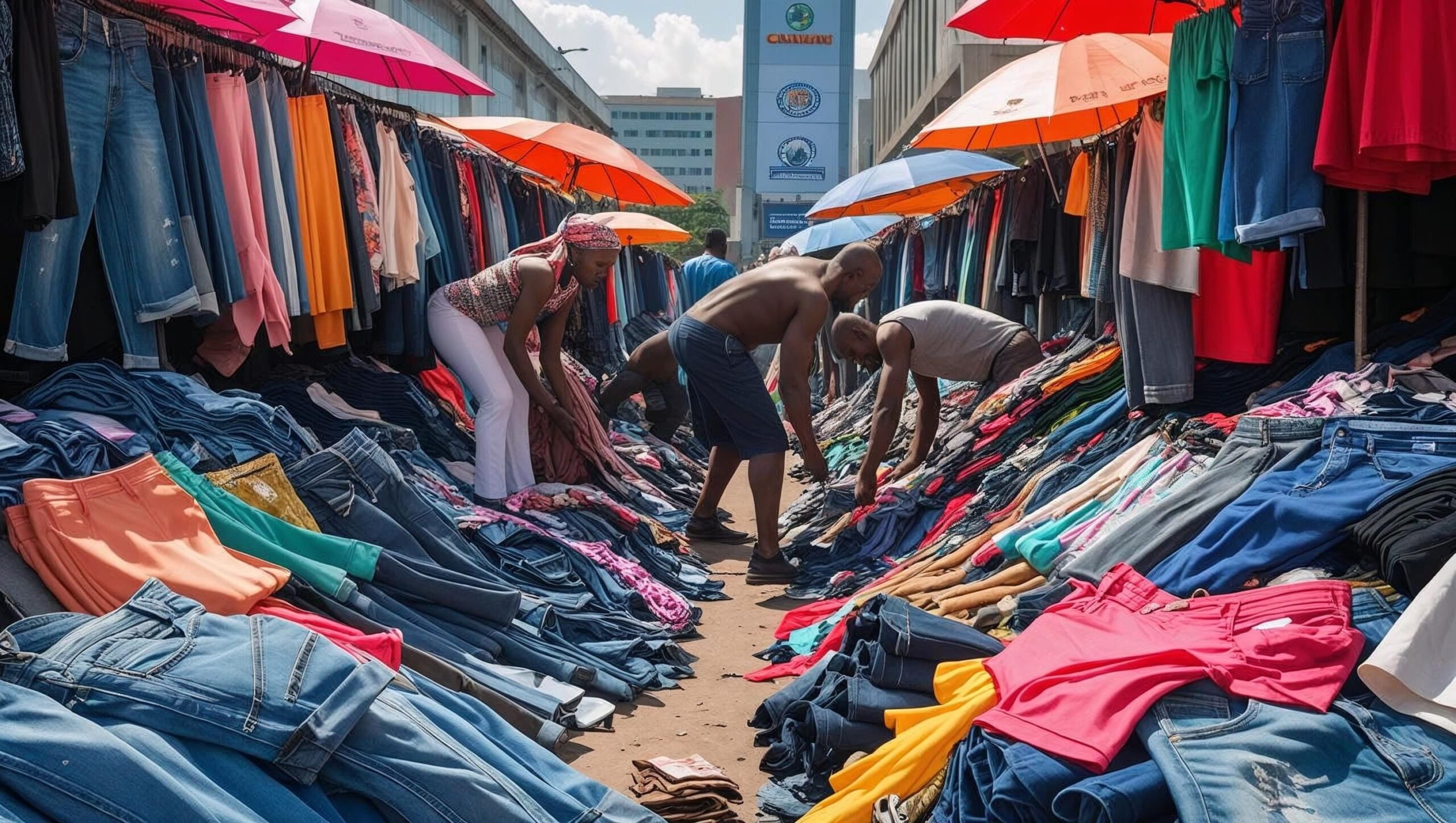
If you regularly shop for thrift clothing, there is a good chance you have noticed something changing in the market. The days when second-hand fashion was simply associated with cheap clothing that people bought because they could not afford new items are long gone. Across Nigeria, thrift fashion has developed into a major commercial ecosystem, attracting students, young professionals, fashion enthusiasts, social media vendors, resellers and entrepreneurs looking for affordable ways to build businesses.
For consumers, thrift shopping can feel like discovering a hidden treasure. A shopper may walk into a market with a modest budget and leave with jackets, dresses, jeans, shirts or designer-looking pieces at prices significantly lower than those of many new clothes. For sellers, however, the story is much more complicated.
Behind every attractive thrift item is a supply chain involving sourcing, transportation, sorting, grading, cleaning, repairs, photography, marketing, storage and resale. The person selling a carefully selected thrift dress online may not simply have walked into a market and picked it from a pile. There could be several stages between the original owner of the garment and the Nigerian customer eventually wearing it.
That is why the growing thrift industry deserves to be viewed not only as a fashion trend but also as a serious business opportunity.

Thrift Is No Longer Just About Cheap Clothes
For years, second-hand clothing was commonly associated with the idea of buying something because it was cheaper than new clothing. That perception has changed significantly.
Today, many shoppers deliberately choose thrift because they want unique styles, vintage pieces, quality fabrics or clothing that looks different from what is available in mainstream retail stores.
Social media has accelerated this transformation. Sellers can photograph carefully selected pieces, post them on Instagram, TikTok, WhatsApp and other platforms, and reach customers far beyond their physical location.
The result is the emergence of a new generation of thrift entrepreneurs who are turning second-hand fashion into curated brands.
Instead of selling everything in a large pile, some sellers select pieces according to colour, size, style, season and current fashion trends. They may wash, iron, repair and package the clothing before presenting it to customers.
The customer is therefore no longer paying only for the garment.
They are also paying for selection, convenience, presentation and the seller’s ability to find something desirable.
The Real Business Happens Before the Customer Sees the Clothes
One of the biggest misunderstandings about thrift fashion is that the seller simply buys cheap clothing and adds a markup.
In reality, sourcing is one of the most important parts of the business.
A reseller must determine where to source from, what type of clothing is likely to sell, how much inventory to purchase and what quality level to expect.
Not every bale or bundle of second-hand clothing will contain equally valuable pieces. Some garments may be damaged, stained, outdated or unsuitable for the target market.
This means the entrepreneur takes a certain level of risk before knowing exactly how much profitable inventory will emerge.
Experienced sellers learn to recognize fabrics, cuts, brands, styles and conditions that are likely to attract buyers. They also learn which products move quickly and which ones may remain in storage for months.
That knowledge becomes a competitive advantage.
Why Some Thrift Sellers Make More Money Than Others
Two people can sell second-hand clothing and have completely different results.
One seller may struggle to move inventory while another sells out quickly.
The difference is often not simply the quality of the clothing. It can involve branding, photography, pricing, customer service, consistency and understanding the target audience.
A seller targeting university students may focus on affordable trendy pieces. Another may target young professionals looking for office wear. Someone else may specialize in vintage clothing, luxury-looking pieces, denim, children’s clothing or sportswear.
Specialization can make it easier for customers to understand what a particular seller offers.
In other words, successful thrift businesses increasingly operate like fashion brands rather than informal clothing stalls.
Social Media Has Changed the Thrift Business
The internet has transformed how thrift clothing is marketed.
A seller no longer needs to depend entirely on customers physically visiting a market stall. A well-presented Instagram page, TikTok account or WhatsApp catalogue can function as a digital storefront.
Short videos can show how a garment fits. Good photography can highlight the texture and details. Customer reviews can build trust. Limited drops can create urgency.
This has also created a new form of thrift shopping in which customers may never know where the seller’s physical store is located.
They simply see a product online, make a payment and arrange delivery.
DDM News observes that this shift has lowered some of the barriers to entry for young entrepreneurs. Someone with relatively limited capital can start by sourcing a small number of pieces, building an online audience and reinvesting profits into additional inventory.
However, easy entry also means greater competition.
When hundreds of sellers can reach the same customers online, simply having affordable clothes is no longer enough.
The Problem With the “Cheap” Image
There is another development that traditional thrift shoppers may not like: some carefully selected thrift items are no longer extremely cheap.
As demand for unique and high-quality second-hand fashion increases, sellers recognize that certain pieces have greater value.
A vintage jacket in excellent condition may command a significantly higher price than an ordinary second-hand shirt. A rare designer piece can be even more expensive.
This can frustrate shoppers who remember when thrift meant extremely low prices.
But from a business perspective, pricing depends on demand, scarcity, quality and presentation.
If customers are willing to pay more for a carefully selected garment, the seller has little reason to price it like ordinary bulk clothing.
Thrift Fashion Is Creating Jobs Beyond Retail
The industry’s economic impact extends beyond the person selling clothes.
There are people involved in importing, transportation, warehousing, sorting, cleaning, tailoring, repairs, photography, content creation, packaging, delivery and digital marketing.
A successful thrift brand may also employ assistants to photograph products, respond to customers, manage orders and organize inventory.
This creates opportunities for people with different skills.
Someone who cannot afford to start a large fashion company may begin with thrift resale and gradually develop expertise in merchandising, branding and e-commerce.
Over time, that experience can potentially lead to the creation of an original fashion label.
The Environmental Argument Is Also Growing
Another reason thrift fashion has gained attention is sustainability.
Buying second-hand clothing can extend the useful life of garments and reduce the demand for entirely new production. Instead of a piece of clothing being discarded, another consumer gets an opportunity to use it.
For environmentally conscious shoppers, this can be an important consideration.
However, the sustainability conversation is more complicated than simply saying all second-hand clothing is automatically environmentally friendly. Transportation, waste, damaged garments and disposal practices still matter.
Nevertheless, the growing interest in reuse has contributed to the popularity of second-hand fashion globally.
What Customers Should Understand Before Buying Thrift
For shoppers, thrift buying can offer excellent value, but buyers should still examine garments carefully.
Check for stains, tears, missing buttons, damaged zippers and signs of excessive wear. Online shoppers should ask sellers for accurate measurements rather than relying entirely on standard sizes.
It is also important to understand that second-hand clothing may have imperfections.
That is part of the nature of the market.
The advantage is that customers can sometimes find unique pieces and quality materials at prices below comparable new garments.
Why Entrepreneurs Should Pay Attention
The thrift industry illustrates an important lesson about business: opportunities can exist in ordinary markets when entrepreneurs approach them differently.
A person can take a product category that has existed for decades and build a modern business around it through branding, technology, customer experience and specialization.
That is exactly what is happening with thrift fashion.
The market is gradually moving from simply “buying used clothes” toward curated second-hand fashion.
DDM News reports that the most interesting opportunities may not necessarily belong to the person selling the most clothes. They may belong to entrepreneurs who understand the entire value chain and identify areas where customers are experiencing problems.
Better sourcing, reliable quality control, efficient delivery, attractive packaging, digital marketing and strong customer service can all become competitive advantages.
The Future of Thrift Fashion in Nigeria
The Nigerian thrift market is likely to continue evolving as consumers become more price-conscious while also becoming increasingly interested in personal style.
Economic pressures may encourage more people to search for affordable clothing, while social media will continue creating opportunities for sellers to reach targeted audiences.
At the same time, competition will become stronger.
The days when simply having a bale of clothes was enough to guarantee sales are increasingly disappearing. Entrepreneurs will need to understand branding, customer behaviour, content creation, inventory management and pricing.
For shoppers, this evolution may mean that the best thrift pieces become harder to find at extremely low prices.
And that is probably the part thrift lovers will not like.
The more valuable thrift becomes as a fashion and business category, the more sellers will recognize the value of carefully selected pieces.
What was once considered merely “used clothing” is becoming a sophisticated retail opportunity.
For entrepreneurs, that transformation represents something much bigger than fashion. It demonstrates how a product category can be repositioned, branded and transformed into a modern business.
For consumers, however, there is one uncomfortable reality: the hidden gem you once bought cheaply may now be recognized by the seller as a gem too.




