



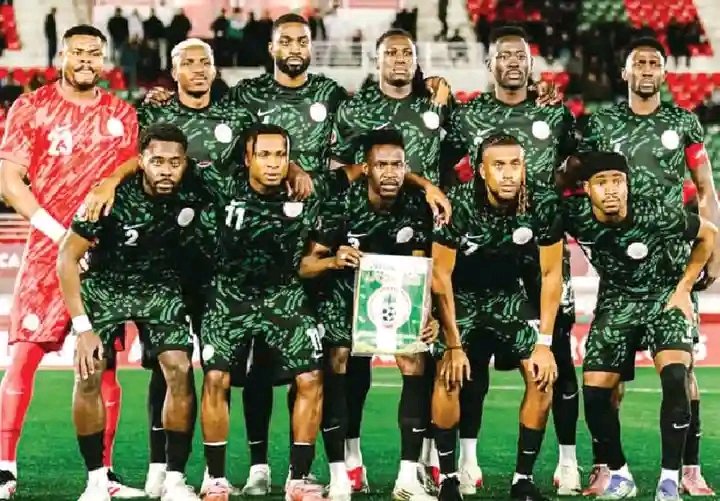
The ongoing 2026 FIFA World Cup has delivered thrilling football, unforgettable moments and inspiring stories from nations across the globe. Yet for millions of Nigerian football fans, the tournament has also served as a painful reminder of what might have been.
As countries battle for football’s most prestigious trophy in the United States, Canada and Mexico, Nigeria is watching from the sidelines after failing to secure qualification for the global showpiece. Among those deeply disappointed by the Super Eagles’ absence is former Nigeria international Chikelue Iloenyosi, who believes the setback should serve as a major lesson for the future of Nigerian football.
The former defender, who represented the Super Eagles during his playing career and remains a respected voice in Nigerian football circles, expressed regret over the country’s failure to qualify despite possessing one of the most talented squads on the African continent.

According to Iloenyosi, Nigeria’s absence from the World Cup is difficult to accept given the quality of players available to the national team.
A Tournament Nigeria Should Have Been Part Of
For decades, Nigeria has been regarded as one of Africa’s football powerhouses.
The Super Eagles have built a rich history at major international competitions, producing memorable World Cup performances and establishing themselves as one of the continent’s most recognizable football brands.
From the golden generation of the 1990s to more recent squads that featured world-class talents across Europe’s top leagues, Nigeria has consistently demonstrated its ability to compete on the global stage.
That is why the failure to qualify for the 2026 FIFA World Cup came as a shock to many supporters.
The disappointment became even more pronounced because this edition of the tournament was expanded to 48 teams, creating more qualification opportunities for African nations than ever before.
Many football observers expected Nigeria to secure one of those available places comfortably.
Instead, a series of disappointing results and missed opportunities left the Super Eagles outside the qualification positions.
For Iloenyosi, the outcome remains one of the most frustrating developments in recent Nigerian football history.
Players Must Reflect on What Went Wrong
While several factors contributed to Nigeria’s unsuccessful qualification campaign, Iloenyosi believes the players themselves must take significant responsibility.
The former defender argued that football matches are ultimately decided on the pitch and that talented players must rise to the occasion when their country needs them most.
Nigeria entered the qualification series with a squad containing some of Africa’s biggest stars.
Players such as Victor Osimhen, Ademola Lookman, Alex Iwobi, Moses Simon and William Troost-Ekong have all enjoyed successful careers at club level and were expected to guide the nation to qualification.
However, the team struggled to maintain consistency throughout the campaign.
Several crucial matches ended in frustrating draws, while opportunities to gain valuable points slipped away.
According to Iloenyosi, those setbacks eventually proved costly.
He believes many members of the current squad will look back on the qualification campaign with regret, knowing that opportunities to participate in a World Cup do not come often.
The World Cup Dream Every Footballer Wants
Few achievements in football compare to representing one’s country at a FIFA World Cup.
For players, the tournament offers the chance to compete against the best teams in the world while showcasing their talents before a global audience.
Iloenyosi emphasized that missing such an opportunity can be particularly painful because careers are often short and unpredictable.
A player who misses one World Cup may never get another chance.
Injuries, loss of form, coaching changes and emerging competition from younger players can quickly alter a footballer’s international prospects.
For that reason, the former Super Eagles defender believes the current generation must fully appreciate what was lost through the failure to qualify.
Coaching Challenges and Structural Issues
Nigeria’s qualification campaign was also affected by instability within the technical setup.
The team experienced coaching changes and periods of uncertainty that many analysts believe disrupted progress.
While acknowledging these challenges, Iloenyosi maintains that elite players must still find ways to deliver results under difficult circumstances.
At the same time, he believes Nigerian football authorities should use the experience as an opportunity to examine broader structural issues affecting the national team.
Improved planning, stronger football administration and long-term development strategies will be essential if Nigeria hopes to avoid similar disappointments in the future.
The former defender stressed that success at international level requires more than individual talent.
It also demands organization, discipline and a clear football vision.
Hope for the Future
Despite the disappointment surrounding the World Cup, Iloenyosi remains optimistic about Nigeria’s future.
He believes the country still possesses one of the strongest talent pools in Africa and has the resources needed to return to the top level of international football.
The emergence of exciting young players across Europe and domestic competitions provides additional reasons for optimism.
With proper management and a renewed sense of purpose, the Super Eagles can rebuild and become a force once again.
Attention is already beginning to shift toward upcoming competitions, including the next Africa Cup of Nations and future World Cup qualification campaigns.
Many supporters hope those tournaments will offer an opportunity for redemption.
A Lesson Nigerian Football Cannot Ignore
For Iloenyosi, the most important outcome of the qualification failure is ensuring that lessons are learned.
He believes Nigeria must use the disappointment as motivation rather than allowing it to become a recurring problem.
The Super Eagles have too much history, talent and potential to remain absent from football’s biggest stage.
As fans continue watching the World Cup unfold without their national team, the sense of loss remains undeniable.
Yet within that disappointment lies an opportunity for reflection, growth and renewal.
According to Iloenyosi, Nigeria must embrace that opportunity and work toward restoring its place among the world’s football elite.
Only then can the country ensure that future generations of players and supporters experience the pride of seeing the Super Eagles compete once again on football’s grandest stage.




