


The United States has warned that it can maintain its naval blockade of Iran indefinitely as Washington steps up economic pressure on Tehran amid stalled ceasefire talks and growing tensions around the Strait of Hormuz.
US Defence Secretary Pete Hegseth said on Thursday that the US military had the capacity to sustain its naval presence in the region and enforce the blockade for as long as necessary.
“Indefinitely the United States Navy can maintain a blockade like that because we’ll rotate ships in and out, as we have, and we’ll continue to,” Hegseth told reporters during a visit to Panama.
The warning came as Treasury Secretary Scott Bessent announced plans for tougher financial measures against Iran, saying Washington would unveil measures “like have never been seen in the history of economic isolation on a country” next week.

The tougher stance follows the collapse of a tentative June agreement aimed at ending the war, with Tehran and Washington still at odds over the conditions for reopening the Strait of Hormuz.
Iran has sought to use control of the strategic waterway as leverage against Washington, with Tehran insisting that the strait will remain closed until its demands are met.
Those demands include the removal of economic sanctions and the release of frozen Iranian assets.
The Strait of Hormuz is a crucial global energy route. Before the war began in February, about one-fifth of the world’s oil and liquefied natural gas shipments passed through the waterway.
The United Arab Emirates also accused Iran of attacking two vessels operated by Abu Dhabi National Oil Company while they were transiting the strait on Thursday evening.
Shipping traffic through Hormuz fell to eight vessels on Tuesday, compared with a 10-day average of about 12 and between 130 and 140 vessels daily before the war.
The United States had briefly lifted its blockade of Iranian shipping and ports for a month in mid-June but later reinstated it, cutting off a major source of hard currency for Tehran.
Washington had previously said the blockade would be lifted once Iran and Oman reached an agreement to restore commercial shipping through the strait.
The standoff is also worsening concerns over global energy supplies.
The International Energy Agency on Wednesday raised its forecast for the decline in global oil supply this year to 4.3 million barrels per day, or about 4%. Its previous forecast had been a 3.7 million-barrel-per-day reduction.
Oil prices, however, fell by more than 2% on Thursday after a week of gains, as investors focused on weaker global demand forecasts and a sharp rise in US crude inventories.
Reports that Yemen’s Iran-backed Houthis had targeted a Saudi Aramco refinery in Jazan with drones later renewed concerns about the conflict spreading across the region.
The war is already weighing on the global economy, with economists warning of weaker growth and the possibility of recession in some regions if the conflict continues.
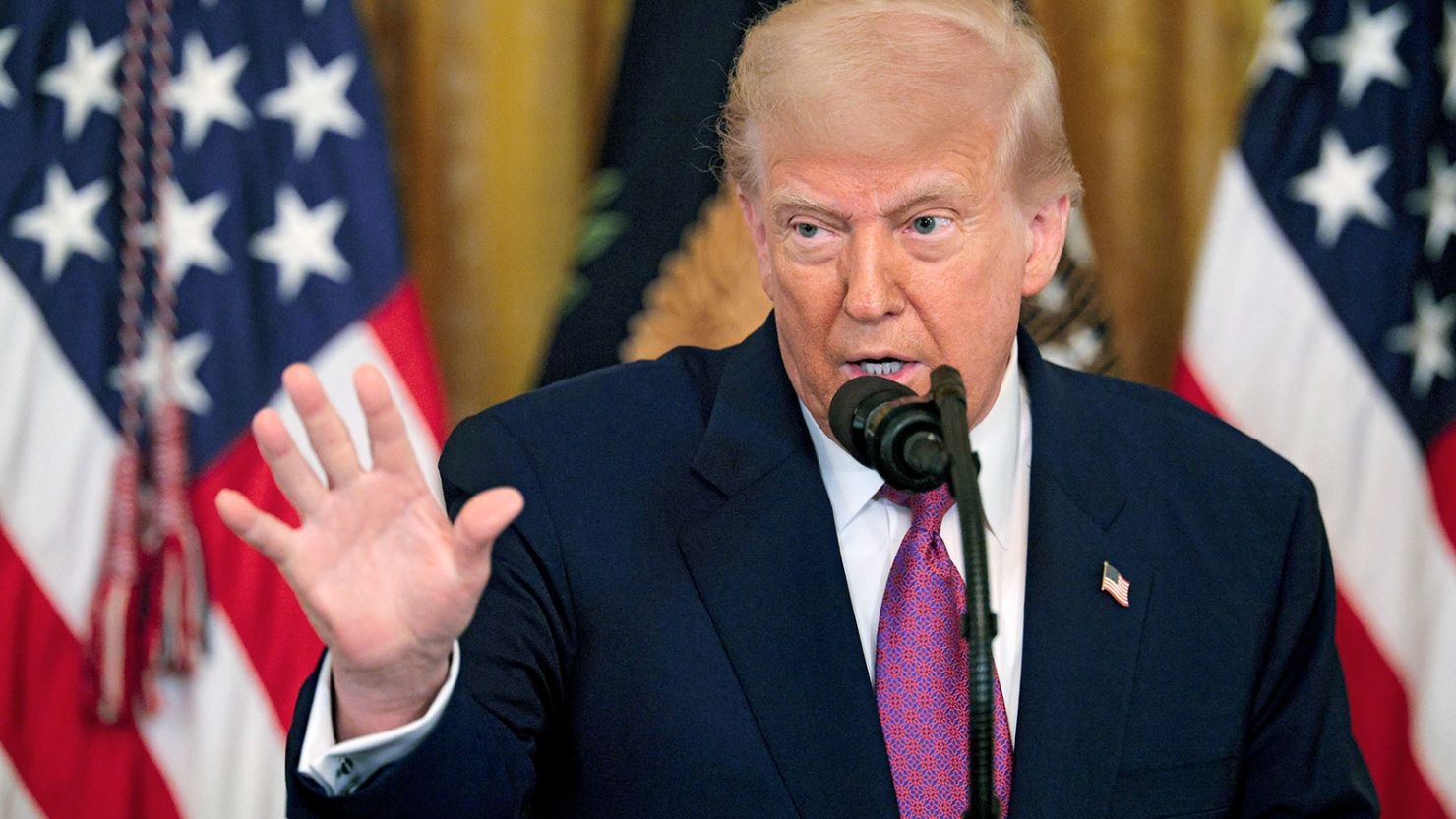
US President Donald Trump is under growing domestic pressure to bring the war to an end, as high fuel prices affect Americans and threaten to hurt his Republican Party ahead of November’s midterm elections.
Trump has repeatedly claimed that the US has “total control” of the Strait of Hormuz, while Iran has rejected the assertion.
Although Trump has threatened further military action and vowed to “hit Iran hard”, he has so far resisted deploying ground troops, seizing strategic islands or bombing desalination plants.
Earlier this week, he indicated that Washington was increasingly relying on economic pressure rather than direct military action.
The US has also tightened sanctions against Iran and individuals and entities it accuses of helping Tehran procure weapons.
However, the measures have so far failed to bring Iran back to the negotiating table.
Asked whether declaring a ceasefire in April had been a mistake in hindsight, Hegseth declined to comment.
“I’m never going to comment on that. We’re doing exactly what we need to, to ensure that Iran never has a nuclear weapon,” he said.




